Cambridge Launches Institute for Biomedical Innovation
The University of Cambridge inaugurated the Institute for Biomedical Innovation at Churchill College on November 12, 2026, aiming to advance medical…
 By Dominic Carr · 13 November 2026 · 11 min read
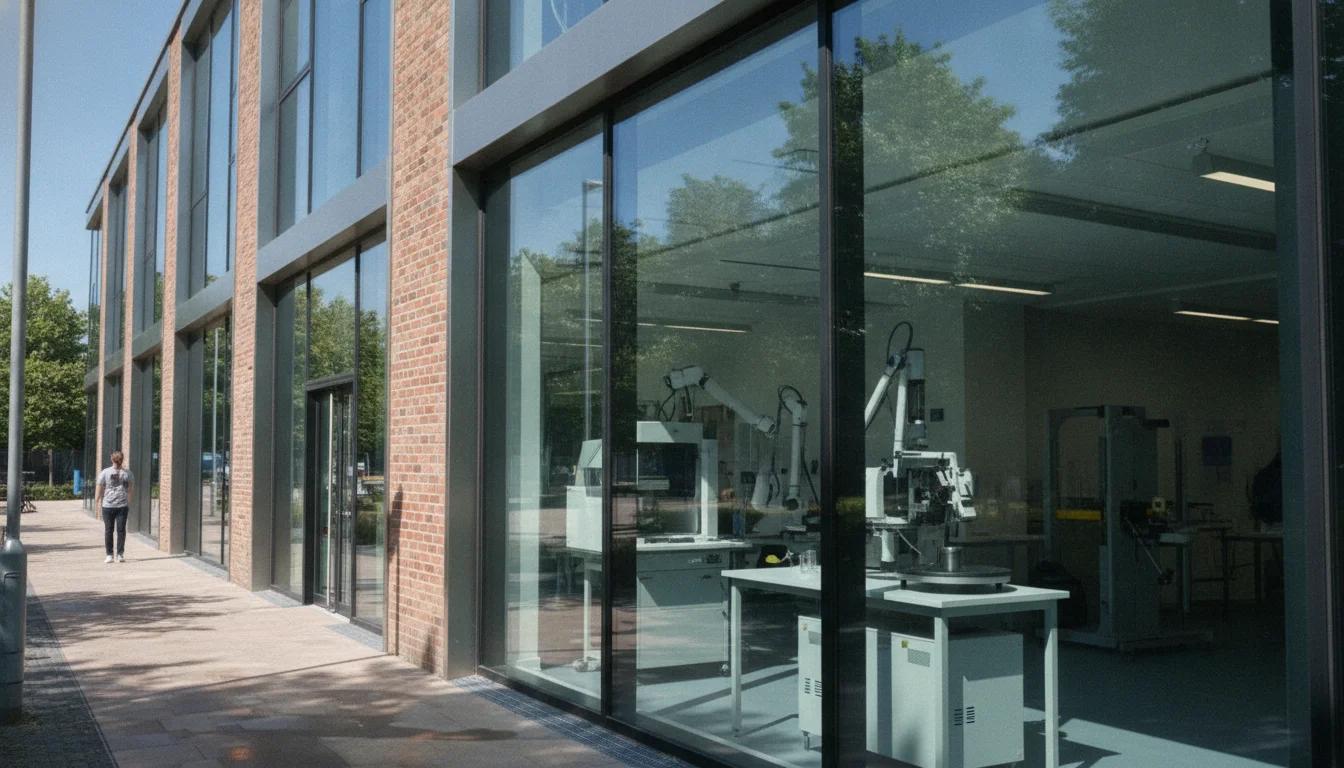
On November 12, 2026, the University of Cambridge launched the Institute for Biomedical Innovation (IBI) at Churchill College, a facility designed to produce tens to hundreds of medical devices per batch, according to IfM Review Summer 2026. This milestone marks a deliberate pivot in Cambridge’s translational journey, moving promising laboratory discoveries toward regulated devices that can be trialled with patients. The official launch was publicly signaled through a Cambridge-based communications cascade, including a department-led update and widely shared social posts, underscoring the institution’s intent to foster a more integrated, end-to-end path from concept to clinic. The event also positioned Cambridge as a living, operating platform for industry partners, startups, and established medtech players seeking a scalable route to patient-ready devices. (linkedin.com)
Cambridge Network’s coverage of the IBI in January 2026 framed the project as a new, major investment by the University of Cambridge, signaling the ecosystem-wide significance of the initiative. The post introduced the IBI as a venture that would combine a state-of-the-art prototyping facility with an innovation-support program designed to shepherd researchers and companies through product development, regulatory pathways, and sustainability considerations. In short, Cambridge Network’s briefing painted the IBI as a foundational element for a more cohesive translational network on the Cambridge campus and beyond. (cambridgenetwork.co.uk)
The design and promise of the IBI align with Cambridge’s broader strategy to accelerate the “lab to clinic” journey for medical technologies. The IfM Review, a publication connected to the University of Cambridge’ Institute for Manufacturing, highlights that the IBI sits within the Department of Engineering and is directed by Professor George Malliaras, with co-director Professor Ronan Daly. The institute aims to bring engineers, clinicians, and manufacturers into a shared environment, supporting high-value manufacturing, regulatory alignment, and scalable production for clinical assessment. In addition to its prototyping capabilities, the IBI is described as offering ISO-certified environments to ensure quality, safety, and traceability throughout device development and testing. This multi-stakeholder model is positioned as essential for sustaining a robust UK medtech innovation pipeline. > “We’re very good at breakthrough, world-leading research in this country... but the danger is that we can lose out on capturing value, potential employment, and resilience by manufacturing elsewhere. The UK has an outstanding, highly skilled medical technology manufacturing sector, so we should be building on this further,” said Professor George Malliaras during the launch narrative. (ifm.eng.cam.ac.uk)
The day’s proceedings also featured insights from Ronan Daly, who emphasizes the pivotal role of manufacturing readiness in translating research into patient care. Daly noted that bringing clinical-facing devices closer to patients requires an end-to-end view that encompasses sterility, packaging, logistics, and regulatory compliance—a perspective the IBI is explicitly designed to address. The institute’s leadership frames IBI as not only a facility but a connective tissue that binds university researchers, clinical partners, and industry through shared standards, processes, and a common goal: delivering real-world medical technologies with speed and reliability. The launch narrative included remarks like, “If we shorten the journey from lab to clinic, even by a few years, that can have an enormous impact, and make a real difference to people’s lives.” This call to action underscores the IBI’s ambitions to serve as a hub for future medtech innovation. (ifm.eng.cam.ac.uk)
Opening the doors to a broader audience, the IBI’s organizers have described it as an “open-access facility,” welcoming researchers from across academia, startups, and industry partners. The concept of openness is complemented by a deliberate emphasis on regulatory-minded prototyping and repeatable manufacturing—capabilities that can demystify the pathway from bench science to clinical evaluation. This approach is designed to reduce the typical friction in medical device translation, where promising concepts often stall in the transition between proof-of-concept and patient testing. The IBI’s stated mission is to shorten and de-risk that journey, enabling a faster, more predictable route to market for medical technologies. This is in line with the Institute’s broader objective of coupling technical excellence with practical pathways to patient impact. (cambridgenetwork.co.uk)
Section 1: What Happened
Announcement and Launch Event
On the launch date, Cambridge’s medtech ecosystem witnessed the formal unveiling of the Institute for Biomedical Innovation (IBI) as a dedicated service for translational device development. The official launch event brought together researchers, clinicians, patients, and industry representatives to discuss how the IBI would bridge gaps between laboratory innovation and clinician-ready devices. The event was framed as a milestone in Cambridge’s ongoing effort to create a more integrated translational environment on the Cambridge Biomedical Campus and beyond. The discourse centered on aligning prototyping capabilities with rigorous regulatory and quality-management standards to enable batch manufacturing suitable for preclinical and clinical evaluation. The conference and subsequent communications highlighted the IBI’s open-access model, its place within the Department of Engineering, and its potential to catalyze a broader medtech ecosystem around the CBC. The announcement and surrounding coverage have been anchored in official communications from IfM and Cambridge-affiliated organizations. (linkedin.com)
Leadership and Governance
The IBI is led by established Cambridge figures who intersect engineering excellence with clinical needs. According to IfM’s coverage, Professor George Malliaras serves as the director, bringing a deep background in bioelectronics and medical device research, while Professor Ronan Daly co-directs, bringing manufacturing and process engineering expertise to bear on translational challenges. This leadership structure is designed to ensure that the institute’s ambitions are anchored in both scientific rigor and practical manufacturability. The governance model is explicitly intended to foster collaboration across departments, clinical partners, and industry players, creating a repeatable pathway from prototype to clinic. The leadership narrative is reinforced by the IfM Review’s feature, which presents the IBI as a hub for multi-disciplinary collaboration aimed at accelerating patient-ready medical devices. (ifm.eng.cam.ac.uk)
“We’re very good at breakthrough, world-leading research in this country... but the danger is that we can lose out on capturing value, potential employment, and resilience by manufacturing elsewhere. The UK has an outstanding, highly skilled medical technology manufacturing sector, so we should be building on this further.” — George Malliaras, remarks captured in the IfM Review feature on the IBI. (ifm.eng.cam.ac.uk)
Facility and Access
A central feature of the IBI is its prototyping facility, designed to support device development from early-stage concepts through to manufacturability for clinical testing. The facility is described as offering state-of-the-art capabilities for microfabrication, device assembly, and biological testing, with a broader program to guide researchers and companies through regulatory design, quality management, and clinical trial planning. Significantly, the IBI is described as open-access, intended to serve academics, startups, SMEs, and established industry partners. In practical terms, this means Cambridge researchers can partner with industry and clinical teams within a structured translational framework, reducing the time and risk associated with moving an idea toward the clinic. The ISO-certified environment and batch-prototyping emphasis are highlighted as core differentiators of the IBI, signaling a commitment to scalable production and regulatory alignment from day one. (ifm.eng.cam.ac.uk)
The Day’s Open Day and Practical Outputs
In addition to the formal launch press and university communications, the IfM post-event materials describe an Open Day where practitioners and industry partners toured the facilities and heard from practitioners with hands-on translation experience. The event featured practitioners from Owlstone Medical and CMR Surgical sharing their perspectives on translation journeys, as well as panel discussions about realistic pathways to scale and regulatory readiness. The Open Day was framed as a practical demonstration of IBI’s role as a “one-stop shop” for biomedical innovation, with a focus on connecting researchers to the broader supply chain and to manufacturing partners. The open-day coverage underscored the real-world, patient-centered orientation of the IBI, a point reinforced by the leadership’s emphasis on reducing the time from discovery to patient use. (linkedin.com)
Primary Source Voices: What Leaders Say
The IBI’s launch is not just a structural event but a narrative about what Cambridge intends to become in the medtech translation landscape. The IfM publication quotes Daly on the importance of bridging research and practice, stressing the practicalities of sterilization, packaging, and scale-up—elements that can determine whether a device makes it to clinical trials or stalls in development. Malliaras’ and Daly’s remarks frame the IBI as a deliberate intervention to harness Cambridge’s manufacturing heritage to deliver patient benefit more quickly and reliably. The rhetorical framing emphasizes not only the science but the industrial infrastructure needed to realize impact. The quotes help readers understand that IBI is about more than a building; it’s about a process and ecosystem designed to synchronize technology, policy, and practice. (ifm.eng.cam.ac.uk)
Section 2: Why It Matters
Impact on Cambridge’s MedTech Ecosystem
The IBI’s emergence sits at the intersection of Cambridge’s well-known strength in biomedical research and an expanding manufacturing and industry ecosystem that already includes the Cambridge Biomedical Campus and associated translational facilities. The institute’s open-access model, combined with ISO-certified environments, suggests a new level of reliability and repeatability in medical device prototyping—attributes that investors, startups, and established medtech companies often cite as prerequisites for scaling. The potential impact on the local economy could include more robust clinical translation pipelines, greater collaboration between clinical partners and engineers, and a more resilient supply chain for medical devices arising from Cambridge’s research communities. The IfM Review highlights the IBI as part of a broader strategy to strengthen the UK’s translational infrastructure, integrating design, manufacturing, and regulatory readiness in one ecosystem. (ifm.eng.cam.ac.uk)
“If we shorten the journey from lab to clinic, even by a few years, that can have an enormous impact, and make a real difference to people’s lives.” — Ronan Daly, as quoted in the IfM Review feature on the IBI. (ifm.eng.cam.ac.uk)
Stakeholders and Collaboration
IBI’s leadership and structure appear designed to foster sustained collaboration among several stakeholder groups: university researchers, clinical partners, startups, established medtech players, and policy makers. Cambridge’s broader translational ecosystem includes the Cambridge Enterprise and the Clinical Trials Unit, which can potentially integrate with the IBI to provide end-to-end support for device development and clinical testing. The Cambridge Network’s January 2026 overview emphasizes that the IBI is a “new major investment,” signaling a commitment to long-term collaboration and ecosystem development beyond a single project or lab initiative. This multi-stakeholder approach aligns with national and regional strategies to strengthen the UK’s biomedical innovation pipeline and to accelerate the commercialization of life-science technologies. (cambridgenetwork.co.uk)
Broader Context: UK and European Translational Trends
The Cambridge launch sits within a broader European interest in creating dedicated infrastructures to translate life-science breakthroughs into medical products. The IBI’s emphasis on open access and ISO-certified environments mirrors broader industry expectations around quality, traceability, and scalable manufacturing in medtech. While Cambridge’s local narrative is strong, the initiative also speaks to UK and European policy directions prioritizing translational facilities that can bridge the so-called “valley of death” in biomedical innovation. The IfM Review’s framing positions the IBI as part of a national strategy that seeks to balance advanced research with practical manufacturing capabilities to support patient access to new technologies. This context matters for readers who follow policy developments, funding opportunities, and the competitive landscape in biotech and medical devices. (ifm.eng.cam.ac.uk)
Section 3: What’s Next
Short-Term Roadmap
Looking ahead, the IBI’s immediate priorities are likely to include finalizing the Innovation Support program, expanding the Prototyping Facility’s capacity, and onboarding first cohorts of academic groups and industry partners. The January 2026 Cambridge Network post indicates ongoing work to define the IBI’s mission and engage stakeholders, suggesting a multi-stage rollout that will involve workshops, pilot projects, and potentially early industry collaborations. The official communications also signal that the IBI will host events to shape its direction, including national workshops and collaboration with policy and industry leaders to align on translational pathways and regulatory expectations. The combination of an open-access facility and a formal governance framework implies a two-track plan: (1) quick-start translation projects with industry partners and (2) longer-term capacity-building and process optimization for scaled manufacturing. (cambridgenetwork.co.uk)
Timeline, Next Steps, and What to Watch For
- Short term (0–6 months): Onboarding of initial partners; initiation of pilot projects that leverage ISO-certified environments for device prototyping and preclinical testing; formalized industry workshops to shape the Innovation Support program. The official launch coverage and subsequent communications indicate a ramp-up phase focused on establishing routines, governance, and collaboration mechanisms. (linkedin.com)
- Medium term (6–18 months): Expansion of the Prototyping Facility’s capabilities; scaling of batch prototyping workflows; pursuit of regulatory readiness and quality-assurance processes aligned with device categories; integration with clinical trial design pathways to accelerate patient testing feasibility. The IfM Review’s description of ISO-certified, batch-prototyping capabilities underscores the expectations for scalable, compliant manufacturing as a differentiator. (ifm.eng.cam.ac.uk)
- Longer term (18–36 months and beyond): Broader ecosystem integration, stronger public-private partnerships, and potential outcomes in terms of new medtech startups or expanded existing programs on the CBC site. The IBI’s positioning as a hub for industry and academia hints at a pipeline that could support multiple devices moving from lab concept to patient trials, with sustained investment and governance oversight to maintain momentum. (ifm.eng.cam.ac.uk)
What readers should watch for next includes the IBI’s explicit milestones: the release of the Innovation Support program’s framework, the first cohort announcements, and the publication of translational case studies showing the pathway from concept to clinic. The Cambridge Network and IfM communications provide signals that these steps are forthcoming, with the launch setting the stage for a concerted translational effort across Cambridge and beyond. Additionally, media coverage and industry commentary will be important for understanding how the IBI’s model scales in practice and how other research universities might adapt similar structures. (cambridgenetwork.co.uk)
Closing
In sum, the Institute for Biomedical Innovation Cambridge stands as a symbol of Cambridge’s commitment to turning biomedical research into clinically useful devices through an end-to-end translational framework. By combining an open-access prototyping facility with a structured Innovation Support program and ISO-aligned manufacturing environments, the IBI aims to shorten the cycle from lab concept to patient testing while maintaining the rigor and safety that patient-facing medical technology demands. The leadership team’s emphasis on reducing friction between discovery, manufacturing, and regulation signals a clear intent: to create a repeatable pathway that can be scaled across disciplines and partnerships. For readers following the Cambridge biomedical ecosystem, the IBI represents not just a new building, but a deliberate effort to translate research into tangible health outcomes for patients and improved economic value for the region.
As Cambridge continues to cultivate its medtech strengths, stakeholders—from researchers to investors to clinicians—will be watching closely to see how well the IBI can harmonize expertise, infrastructure, and policy in service of real-world impact. The institute’s open-access approach, paired with a disciplined manufacturing and regulatory framework, could become a model for other universities seeking to accelerate device translation while preserving safety and quality. The coming months will reveal how quickly the IBI’s workflows mature, how industry partners engage with its programs, and how Cambridge’s translational ecosystem may evolve in response to this bold investment.