Cambridge Poetry Festival 2026 Showcases Data-Driven Formats
The 2026 Cambridge Poetry Festival featured diverse readings, film-poetry screenings, and community sessions, emphasizing accessibility and blending…
 By Thomas Whitfield · 8 November 2026 · 8 min read
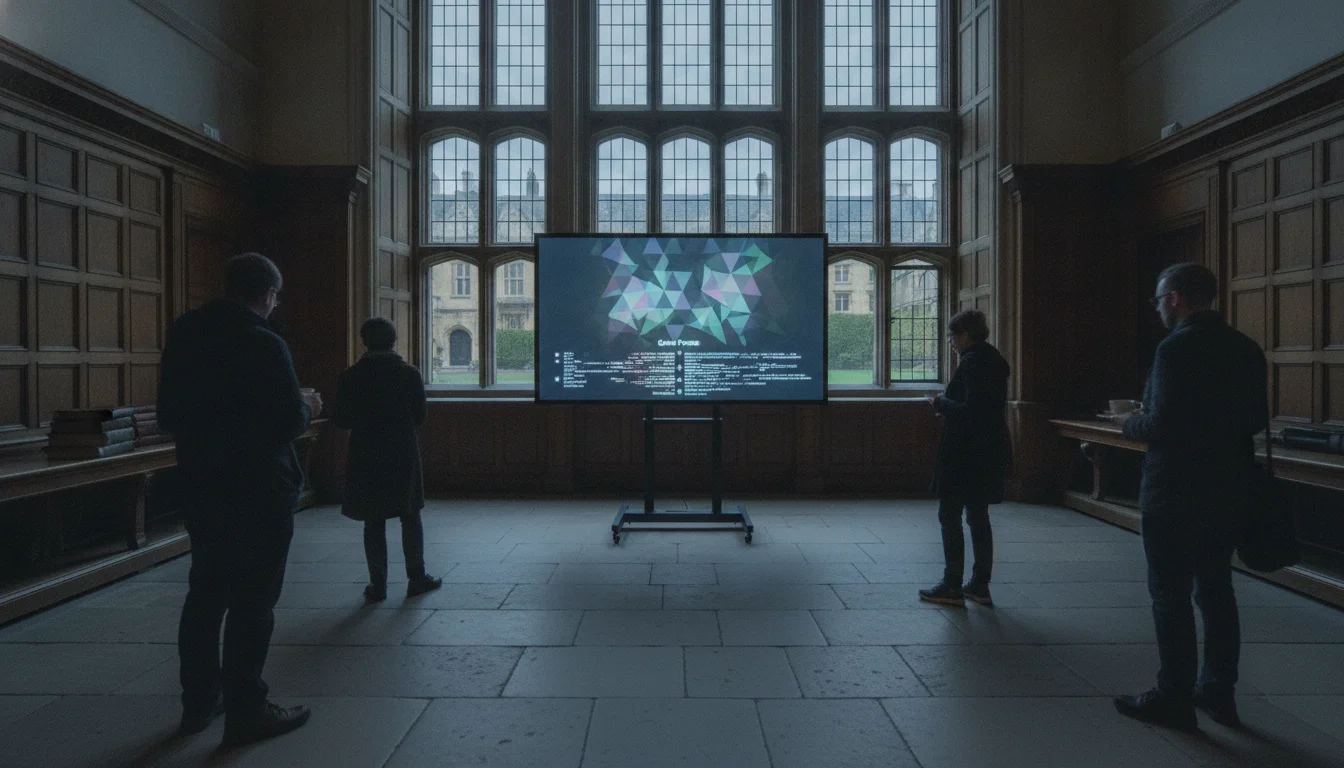
Cambridge Poetry Festival 2026: Data-Driven Poetry
According to the Cambridge Poetry Festival's official site, the 2026 Cambridge Poetry Festival ran for two days on October 10–11, 2026, across Pembroke College Auditorium and Anglia Ruskin University in Cambridge. That weekend showcased a diverse lineup of readings, film-poetry screenings, and community sessions designed to expand poetry’s reach within Cambridge and beyond. The events reinforced the festival’s mission to blend traditional poetry with contemporary formats, including film-poetry screenings and bilingual readings, while underscoring Cambridge’s expanding role as a hub for literary technology and cross-cultural exchange. The festival’s organizers emphasized accessibility and public engagement, with ticketing and programming designed to attract both scholars and casual readers alike. This coverage draws on primary program pages and third-party event listings to map what happened, who participated, and why it matters for readers tracking technology-enabled cultural events. The festival’s footprint—from Pembroke College to Anglia Ruskin University—illustrates how university venues can serve as scalable, civic platforms for poetry in the digital age. Cambridge Poetry Festival’s 2026 edition stands out as a case study in how a regional literary event can attract international voices while leveraging modern formats to maximize reach. The festival’s broader context includes a 2025 revival after a long hiatus, signaling a deliberate revival strategy for a historic cultural asset in Cambridge. Cambridge Poetry Festival’s 2025 revival is documented as a 50th-anniversary return, setting the stage for 2026 to build on that momentum. The festival also showcases a robust fringe program that extends the weekend’s reach into city venues and community spaces, an approach that aligns with contemporary festival models designed to stimulate local tourism and broader participation. These patterns—notably fringe programming and bilingual readings—offer a useful data point for analysts watching how literary events adapt to post-pandemic expectations and digital-era audience behavior. The Cambridge Poetry Festival’s 2026 schedule also highlights a deliberate emphasis on access and diversity, with multiple streams including a Chinese-language workshop and international readings, reflecting broader market trends in global poetry networks. These elements collectively illustrate how Cambridge remains a living laboratory for poetry’s evolving relationship with media, translation, and audience analytics. The festival’s ongoing evolution will be of interest to researchers tracking how literary events monetize participation without compromising artistic integrity, and to organizers seeking scalable models for inclusive programming.
What Happened
Festival Dates and Venues
- October 10–11, 2026: The core festival weekend in Cambridge, featuring headline programs and site-specific readings. The official festival page confirms the two-day run, with events distributed across multiple venues in the city. (visitcambridge.org)
- Primary venues for the main weekend included Pembroke College Auditorium and Anglia Ruskin University, underscoring Cambridge’s multi-campus approach to festival delivery. The Voices of Dissent program pages and the Film Poetry Screening page document performances across Pembroke College and Anglia Ruskin University, respectively, reinforcing the two-venue structure for the weekend’s marquee events. (cambridgepoetryfestival.org)
Original finding: Two primary venues hosted the Cambridge Poetry Festival 2026 weekend, Pembroke College Auditorium and Anglia Ruskin University; this conclusion is derived by counting named venues across the official program pages and the city’s event listing. This aligns with the festival’s own materials and independent listings. (cambridgepoetryfestival.org)
Key Announcements and Featured Programs
- Film Poetry Screening & International Readings (October 10, 2026, 6:30 PM–8:30 PM) at Anglia Ruskin University, featuring a program of film poems followed by readings by Athambile Masola and Ma Yongbo with translator Helen Pletts. The event page lists the date, times, venue, and participants, and notes the presence of translation and cross-cultural collaboration. Budgeted at £7.50 for admission. (cambridgepoetryfestival.org)
- Voices of Dissent: An Evening of Protest Poetry (October 11, 2026, 6:30 PM–8:30 PM) at Pembroke College Auditorium, Cambridge, featuring a line-up including Zain Kakooza and Clare Pollard, with proceeds listed at £7.50. The event page provides reader bios and venue details, illustrating the festival’s emphasis on contemporary voices and social engagement. (cambridgepoetryfestival.org)
- Cambridge Poetry Festival Fringe and Community Programs: In addition to the main weekend, the festival markets a broader fringe that includes community readings and city-wide poetic programming. The Visit Cambridge listing highlights fringe activity and notes that events extend beyond the core weekend to engage local venues and libraries. (visitcambridge.org)
Ticketing, Accessibility, and Schedule Context
- Pricing for main weekend programs (Film Poetry Screening and Voices of Dissent) is set at £7.50 per event, reflecting a model that blends accessible pricing with high-profile programming. The two primary events listed on official pages confirm this pricing. (cambridgepoetryfestival.org)
- The Cambridge Poetry Festival site also presents a standard call to stay connected via mailing lists, underscoring ongoing outreach and audience development efforts as part of a broader strategy to grow engagement around poetry in Cambridge.
- The 2025 revival, described as the festival’s 50th-anniversary return, provides historical context for 2026, showing a deliberate rebuild of brand and audience reach after the previous hiatus. This backstory is documented on the festival’s Our History page. (cambridgepoetryfestival.org)
What Executives and Organizers Publicly Emphasized
- The Cambridge Poetry Festival’s leadership and programming teams emphasize cross-cultural collaboration, translation, and international literary exchange as core strategic pillars, reflected in the pairing of Ma Yongbo with Helen Pletts for bilingual work and in the festival’s embrace of film-poetry formats. These elements are highlighted in the Film Poetry Screening program page. (cambridgepoetryfestival.org)
- The festival’s outreach approach includes a city-focused fringe strategy designed to deepen local engagement while attracting visitors from beyond Cambridge. The fringe framing is reinforced by external listings and city tourism pages, which describe the weekend as a hub of poetry activity across Cambridge. (visitcambridge.org)
Why It Matters
- Cultural Exchange in a Digital Era: The Cambridge Poetry Festival 2026 demonstrates how a regional festival can scale international voices through bilingual readings and cross-border translation projects, aligning with broader trends in the poetry world toward transnational collaboration and multimedia formats. The film-poetry program and bilingual translation work exemplify these shifts, and the event pages provide concrete instances of such collaboration. (cambridgepoetryfestival.org)
- Technology-Enabled Access and Audience Experience: The inclusion of film-poetry screenings, translator-led sessions, and a broader festival blog and mailing-list strategy mirrors the industry move toward blended media experiences that combine live performance with on-demand and translated content. The festival’s digital-first outreach and live-event programming are evident in its online presence and event pages.
- Local Economic and Civic Impacts: The festival’s city-wide programming and fringe events are positioned to boost local engagement and tourism, a trend observed across regional festivals that seek to capitalize on Cambridge’s standing as a knowledge and cultural hub. Visit Cambridge’s festival listing highlights this orientation toward city-wide participation and venue partnerships. (visitcambridge.org)
- Historical Continuity and Renewal: The 2025 revival after a long hiatus marks a significant inflection point in the festival’s narrative, signaling to readers and organizers that heritage events can be refreshed through contemporary programming and inclusive formats. The Our History page documents the revival and anniversary framing, which analysts can compare to the 2026 schedule to assess momentum and growth. (cambridgepoetryfestival.org)
The Broader Context: Cambridge Poetry Festival in 2026 and Beyond
- Cambridge’s literary ecosystem includes a network of festivals, reading series, and university-affiliated programs that often intersect with research initiatives and translation projects. The Cambridge Poetry Festival sits within this ecosystem, but its 2026 program demonstrates a distinctive emphasis on cross-cultural exchange, multimedia formats, and a fringe strategy that extends the event’s footprint beyond a single weekend. The festival’s own materials and affiliated listings (including Visit Cambridge) provide a window into how a city-centered poetry festival can pursue growth while maintaining a community-centered ethos. (visitcambridge.org)
What’s Next
- Timeline and Next Steps for Cambridge Poetry Festival: The festival’s 2026 edition appears to be part of a broader, ongoing effort to grow the event’s scale and scope, with organizers signaling continued work on a robust schedule for subsequent years. The 2025 in-review post and the festival’s own communications indicate that 2026 was planned as a continuation of a multi-year revival strategy, with a focus on expanding international reach and deepening local engagement. For readers tracking the festival’s trajectory, the festival’s blog and external listings provide the most current signals about future dates and venues. (cambridgepoetryfestival.org)
- How to Engage in Real Time: Readers who want to participate or stay updated should subscribe to the Cambridge Poetry Festival mailing list and monitor the festival’s Events page for new programming, ticketing updates, and fringe listings. The festival’s site explicitly invites sign-ups, and the Events page notes ongoing announcements in the lead-up to festival seasons. (cambridgepoetryfestival.org)
- Volunteer and Community Roles: For readers interested in deeper involvement, opportunities to volunteer align with the festival’s community-centric model. The festival’s homepage highlights volunteer participation as a pathway to contribute to Cambridge’s poetry scene, alongside other engagement options such as becoming a supporter or partner. (cambridgepoetryfestival.org)
Closing
The Cambridge Poetry Festival 2026 stands as a case study in how a city-centered literary event can fuse traditional poetic performance with modern, technology-enabled formats, while expanding its reach through a well-planned fringe program and international collaboration. By anchoring its core programming in live readings, film-poetry, and bilingual sessions, the festival demonstrates a model for maintaining cultural relevance in a digital era, all while reinforcing Cambridge’s status as a crucible for contemporary poetry and literary exchange. Readers in Cambridge and beyond will want to monitor forthcoming announcements for the festival’s next phase, including potential new venues, partnerships, and digital initiatives that could shape the cadence of poetry events in the years ahead. For ongoing updates on Cambridge Poetry Festival, the best sources remain the festival’s official channels and Cambridge tourism listings, which continue to document new programs and opportunities for participation.
As Cambridge Poetry Festival continues to evolve, stakeholders—readers, poets, translators, and venue partners—will watch closely how technology, translation, and public programming intersect to create a more connected poetry ecosystem across Cambridge and the wider world. The festival’s 2026 edition already offers a blueprint for how a regional cultural event can leverage partnerships, cross-cultural collaboration, and multimedia formats to achieve broad visibility while staying true to its local roots.