Cambridge Festival Unveils 2026 Programme
Cambridge Festival runs from March 16 to April 2, 2026, with talks, demonstrations, and public events.
 By Fiona Galloway · 20 August 2026 · 8 min read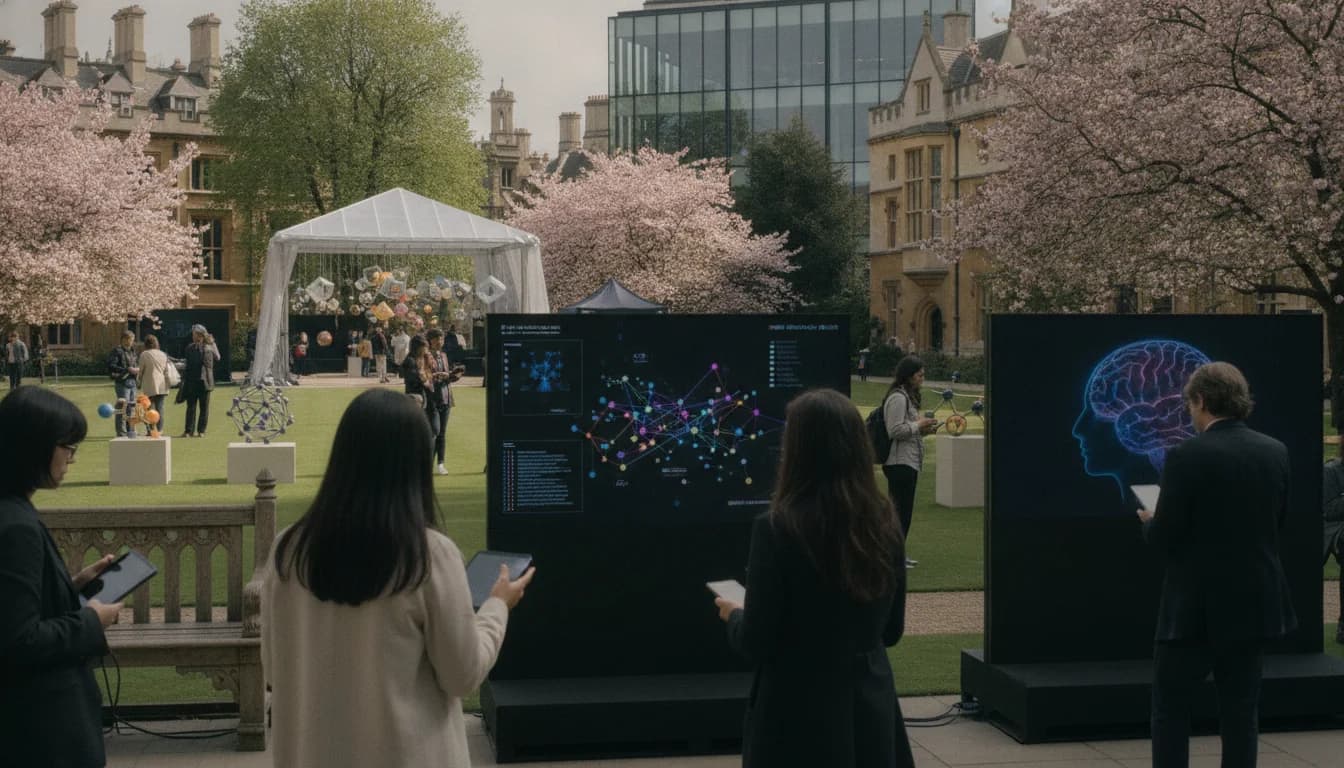
The Cambridge Festival 2026 events represent a city-wide, university-backed examination of pressing questions at the intersection of technology, society, and markets. As Cambridge’s research ecosystem continues to produce breakthroughs, the festival offers a structured platform for researchers, industry partners, and the public to engage with ideas that could shape policy, investment, and product development in the coming years. Cambridge Festival 2026 runs from March 16 to April 2, 2026, according to Cambridge Festival programme. This timetable underscores a concentrated window for keynote talks, panel discussions, demonstrations, and hands-on sessions that aim to translate academic insights into real-world applicability. (festival.cam.ac.uk)
The organizers emphasize that the full programme blends online, offline, and on-demand formats to maximize accessibility, inviting participants from across the city and beyond to engage with cutting-edge topics ranging from artificial intelligence to climate resilience. The announcement signals a deliberate shift toward a more inclusive, participatory model of public-facing research, a hallmark of the Cambridge Festival that aligns with the university’s mission to democratize access to knowledge. As the festival opens its doors to a broader audience, it also expands opportunities for local tech firms, startups, and cultural institutions to showcase innovations and collaborate with researchers. The official push notes that the Cambridge Festival offers a “mixture of online, on-demand and in-person events,” reinforcing its role as a flexible platform for knowledge exchange. (cam.ac.uk)
Across the 2026 edition, organizers frame the event as a timely inquiry into technology’s role in society, addressing questions such as how AI technologies reshape work, trust, and everyday decision-making, alongside conversations about climate repair and sustainable development. The program materials and accompanying press coverage highlight a deliberate intent to couple theoretical inquiry with practical insight — a feature that resonates with business leaders seeking to anticipate market shifts and policy-makers monitoring regulatory trajectories. This alignment with technology and market trends is a core throughline of the Cambridge Festival’s public messaging, and it is reflected in programming that invites researchers to distill findings into publicly accessible sessions and demonstrations. (cam.ac.uk)
Opening with those core ideas, this report provides a structured update on what happened, why it matters, and what to watch next as Cambridge Festival 2026 events unfold. It aims to present a data-informed, neutral view of the festival’s execution, the audiences it attracts, and the broader implications for Cambridge’s tech and research ecosystems.
What Happened
Full programme announcement and scope
- The University of Cambridge and Cambridge Festival organizers publicly released the full programme for the 2026 edition, confirming a comprehensive line-up of events across venues and digital channels. The rollout positions the festival as a major city-wide platform for exploring the impact of research on society and markets, with activities spanning lectures, demonstrations, debates, and interactive experiences. While the core dates run from March 16 to April 2, 2026, the programme is designed to accommodate a mix of in-person and remote participation to broaden access. This approach is consistent with prior festival iterations that emphasized broad public engagement and cross-disciplinary dialogue. The official programme materials and accompanying communications provide the specific schedule, session topics, and participating institutes, with the framing that “a city-wide celebration of ideas” will connect residents with Cambridge’s leading researchers. [programme details, official Cambridge Festival materials] (festival.cam.ac.uk)
Format and access: online, on-demand, and in-person
- A central feature of Cambridge Festival 2026 events is the blended-format delivery. According to the official materials and contemporary coverage, events will be offered in multiple modalities to accommodate varied audiences and schedules. Attendees can expect live sessions at partner venues, recordings and on-demand content for later viewing, and a robust online component designed to broaden accessibility beyond the city’s geographic boundaries. This blended approach mirrors broader trends in how major university-led publics-facing programming is evolving to maximize reach while preserving the depth of in-person engagement. The format choice is framed as a strategic decision to increase participation from students, professionals, and community members who might not be able to attend in person but who wish to engage with Cambridge’s research community. (cam.ac.uk)
Key themes and topics: AI, climate, and the interface of research with markets
- The 2026 edition foregrounds technology and market trends with a particular emphasis on artificial intelligence and its societal implications, alongside climate-related innovation and policy questions. The event is positioned as a platform to examine how AI technologies are shaping trust, decision-making, and labor markets, as well as how scientific advances translate into practical solutions for climate resilience and sustainability. In line with these themes, programming materials signal sessions that explore the ethical, economic, and governance dimensions of technology, inviting participation from researchers, industry practitioners, policymakers, and the public. This thematic direction aligns with Cambridge’s research strengths and the broader objective of linking scholarship to real-world impact. (cam.ac.uk)
Why it matters
Impact on researchers and industry professionals
- Cambridge Festival 2026 events serve as a bridge between scholarly research and practical application, creating opportunities for researchers to present findings in accessible formats while inviting industry professionals to evaluate emerging capabilities for product development, investment, and collaboration. The festival’s emphasis on online, on-demand, and in-person formats supports a broader audience, which can accelerate knowledge transfer and create new pathways for applied research partnerships. For researchers, the festival offers a stage to test hypotheses, demonstrate prototypes, and receive public-facing feedback that can influence future grant proposals, pilot programs, and licensing discussions. This dynamic resonates with the broader trend of universities acting as hubs for open science and industry engagement, reinforcing Cambridge’s role as a knowledge hub with global reach. (cam.ac.uk)
Public engagement and accessibility
- A deliberate design choice for Cambridge Festival 2026 events is to lower barriers to participation by offering mixed delivery modes and a city-wide footprint. Public access to a broad set of talks and demonstrations supports science literacy, democratizes access to high-level research insights, and invites diverse viewpoints into tech and market discussions. The festival’s public-facing orientation aligns with Cambridge’s tradition of outreach and community involvement, as reflected in official communications describing the event as a “city-wide celebration of ideas” that opens the university’s research and creativity to a wider audience. This emphasis on accessibility has been a hallmark of the festival’s approach and is reiterated in the latest programme materials. (cam.ac.uk)
Broader context: tech and market trends in Cambridge
- The Cambridge Festival’s technology-focused programming sits within a broader Cambridge-area ecosystem that includes active collaboration between academia, startups, and established tech firms. While the festival itself is a cultural and intellectual event, its content often intersects with market-relevant topics such as AI ethics, data governance, and sustainable technology — themes of substantial interest to local and regional tech economies. In this sense, the festival acts as a bellwether for the kinds of ideas that could influence market strategies, policy development, and industry investment patterns in the near term. This framing is consistent with university-led public programming that seeks to illuminate how research translates into market-ready innovations and societal impact. (cam.ac.uk)
What’s Next
Upcoming events and participation opportunities
- The Cambridge Festival 2026 events calendar, once anchored by the official programme, points to a period of sustained activity through March into early April. For readers and professionals seeking to participate, organizers typically publish submission windows, ticketing details for in-person sessions, and access information for online components. Engagement opportunities often include public lectures, interactive demos, and opportunities to network with researchers and practitioners across disciplines. Given the festival’s emphasis on tech and market relevance, expect a series of sessions that invite industry leaders to share case studies, research teams to present evidence-based insights, and policymakers to discuss implications for regulation and innovation ecosystems. Participants should monitor the official site for deadlines, venue listings, and streaming links. [programme materials, official Cambridge Festival communications] (festival.cam.ac.uk)
Next milestones and indicators to watch
- As the festival unfolds, several indicators will help observers gauge impact and resonance. Attendance figures (where disclosed by organizers or local media), participant demographics (students, researchers, industry professionals, and general public), and engagement metrics for online components (view counts, session replays, and Q&A participation) provide a concrete sense of reach and influence. Additionally, post-event analyses and follow-up publications by Cambridge faculties or university press offices may highlight outcomes such as collaboration agreements, pilot projects, or policy recommendations inspired by the festival’s discussions. While specific numerical tallies are not provided in the current material, the central milestone remains the completion of the full programme rollout and the execution of key sessions featuring AI, climate, and technology-market intersections. Readers should stay tuned to university and festival channels for the formal post-event summaries and datasets. (cam.ac.uk)
Closing
In summary, Cambridge Festival 2026 events mark a pivotal moment for the city’s science and industry ecosystem, presenting a data-driven, accessible platform to explore how AI, climate technology, and other frontier topics intersect with markets and public policy. The festival’s careful blend of online, on-demand, and in-person programming expands the audience for rigorous research while encouraging practical dialogue about how new knowledge can shape business strategy, investment decisions, and regulatory frameworks. For readers who want to stay updated, following the Cambridge Festival’s official channels and Cambridge University communications will provide timely announcements, session specifics, and post-event analyses as they become available. With its emphasis on transparency, accessibility, and cross-disciplinary engagement, the 2026 edition is positioned to contribute meaningfully to both scholarly discourse and market-oriented conversations about technology’s trajectory in Cambridge and beyond. (cam.ac.uk)
Readers can access the primary programme and related materials to verify session topics, dates, and formats:
- Cambridge Festival 2026 programme (official PDF): Cambridge Festival programme
- Official festival overview and details: Cambridge Festival pages and Cambridge University press coverage These primary sources anchor the reporting and provide direct insight into the festival’s scope and execution. (festival.cam.ac.uk)
In the weeks ahead, Cambridge Review will continue to monitor developments surrounding Cambridge Festival 2026 events, offering data-driven coverage on attendance, engagement, and the practical impacts of the festival’s AI and climate-focused discourse on local businesses, research collaborations, and policy discussions. Stay connected through the festival’s official channels to receive updates, streaming schedules, and post-event analyses that illuminate how Cambridge’s research community translates discovery into real-world opportunities.