UK science funding 2026 major physics infrastructure: Update

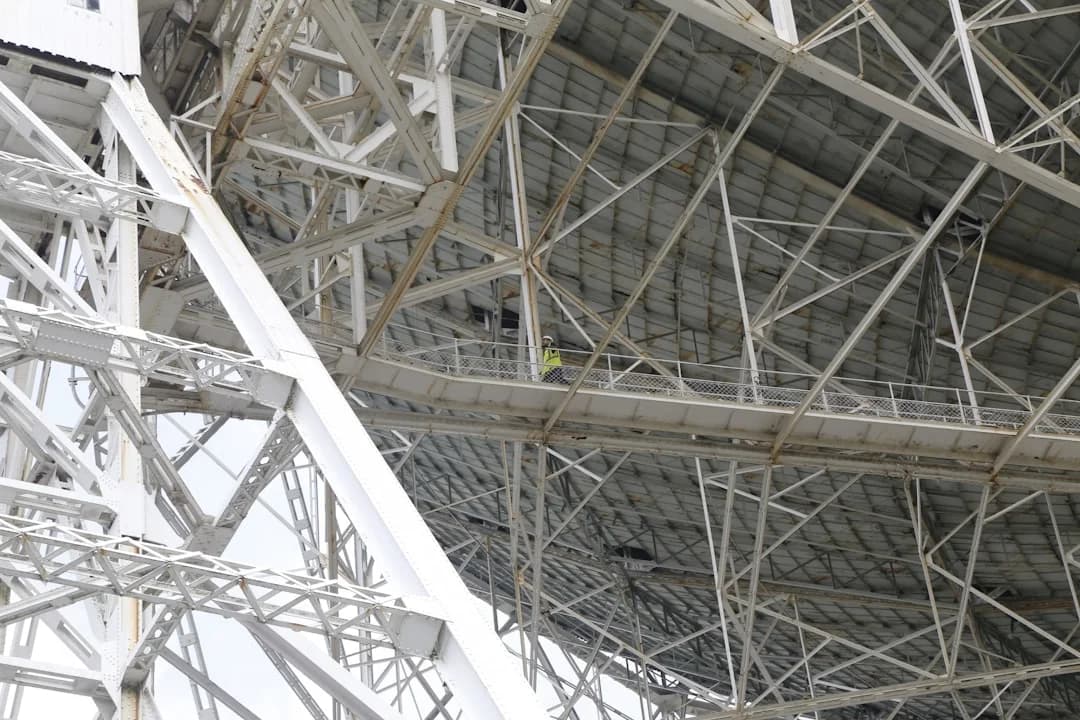
Photo by Georg Eiermann on Unsplash
The analysis you’re about to read centers on UK science funding 2026 major physics infrastructure and what it means for the country’s leadership in fundamental physics, international collaborations, and the research workforce. In early 2026, a series of budgetary decisions and policy signals have shifted the outlook for flagship physics facilities. The announcements come at a moment when the UK’s science ecosystem is navigating a broader reallocation of resources toward mission-led and applied research, while sustaining commitments to large, internationally funded projects. The immediate headlines revolve around substantial funding re‑prioritization, with particular attention to major physics infrastructure and the UK’s role in global experiments. This coverage aims to present the news clearly, situate it in a wider policy context, and outline anticipated implications for researchers, universities, industry partners, and taxpayers. The framing throughout is neutral and data-driven, focusing on tangible numbers, dates, and timelines associated with the announcements. This piece references official statements from UKRI, STFC, and industry bodies, alongside independent analysis from scientific societies and reputable outlets. It also notes areas where timelines or funding levels remain contested or subject to change as new budgets are set.
What Happened
UKRI and STFC announce funding reductions and project re-prioritization In late January 2026, Science and Technology Facilities Council (STFC) leadership signaled a radical reassessment of funded activities across physics disciplines. A letter circulated to researchers outlined budget scenarios requesting project leaders to model cuts of 20%, 40%, and 60%, and to identify viability thresholds for ongoing programs. The communications framed the exercise as part of a broader UKRI effort to “do fewer things better,” with the emphasis shifting toward mission-oriented priorities and cost containment. Independent reporting soon confirmed that these steps would translate into concrete funding reductions for investigator-led research in particle physics, astronomy, and nuclear physics, as well as for flagship facilities. The STFC letter and related communications were covered extensively by science policy outlets and the Institute of Physics, which described the measures as a potential “devastating blow” to physics in the UK. (iop.org)
UKRI subsequently confirmed a decision to cancel UK funding for four major physics infrastructure projects, a move that many observers described as a turning point for the UK’s participation in high-profile international experiments. The affected projects included a European-led upgrade to the Large Hadron Collider beauty (LHCb) detector, a US-hosted Electron-Ion Collider (EIC) project, and two UK-based national facilities: Relativistic Ultrafast Electron Diffraction and Imaging (RUEDI) and the Critical Mass (C-MASS) spectrometry facility. The cancellation news emerged from media reporting and was later corroborated by UKRI leadership in briefings to the science community. The Institute of Physics characterized the development as a major shift in the UK’s infrastructure landscape. (iop.org)
Competing narratives and the context of the budget climate Amid these developments, reports highlighted a broader funding squeeze across STFC and UKRI’s portfolio, with some outlets noting savings targets that exceed £250 million by shelving four large-scale infrastructure ventures. The Guardian and related coverage documented the societal and scientific implications of the cuts, emphasizing worries about the UK losing ground in key areas of fundamental research and international collaboration. Several scientists and societies argued that the timing – as new telescopes and collider upgrades begin to come online elsewhere or in new partnership arrangements – could weaken the UK’s scientific leadership and its ability to attract and retain talent. The same reporting pointed to a need for urgent policy clarity and a credible plan to preserve critical capabilities. (theguardian.com)
Public and professional responses ranged from alarm to calls for policy recalibration. The Institute of Physics and the Royal Astronomical Society publicly pressed for constructive engagement with government and UKRI to safeguard core capabilities and career pathways. In a media briefing and subsequent statements, UKRI leadership defended the re-prioritization, arguing that changes were necessary to align with a shifting national R&D strategy. Critics, including researchers and commentators, warned about the risk of “losing a generation” of scientists if the reductions persist or deepen. The debate has underscored a broader question about how to balance long-term curiosity-driven science with near-term fiscal realities. (iop.org)
Timeline and key facts at a glance
- January 28, 2026: STFC issues a funding direction letter to particle physics, astronomy, and nuclear physics communities, seeking revised budgets reflecting 20%, 40%, and 60% reductions and requesting viability analyses for projects. This marked a turning point in the sector’s funding approach and signaled forthcoming reductions across the research portfolio. (iop.org)
- February 6, 2026: UKRI confirms cancellation of UK funding for four major physics infrastructure projects: the LHCb upgrade, the US-based Electron-Ion Collider (EIC) project, RUEDI, and C-MASS. This announcement follows coverage by Research Professional News and media briefings from UKRI leadership, and it aligns with a broader push to reallocate funds toward priority areas. Observers noted that such cuts could affect both domestic capabilities and international collaborations. (iop.org)
- Early February 2026: Independent outlets and professional societies published additional context, including projections of impact on the UK’s research workforce and on international science diplomacy. The headlines highlighted the tension between preserving UK leadership in fundamental physics and adhering to a more selective, outcome-focused funding approach. (theguardian.com)
- Ongoing: Some UKRI infrastructure portfolio materials continue to reference flagship projects with start dates in 2026 or beyond, illustrating a mismatch between published infrastructure plans and the new funding posture. For example, certain UKRI Infrastructure Fund entries list LHCb 2030+ and other facilities with earlier anticipated start dates, underscoring the complexity of reconciling legacy plans with current funding decisions. This discrepancy has been noted by observers as a signal for continued monitoring as the budget process unfolds. (ukri.org)
Why It Matters
Impact on the UK science base and talent pipeline The funding decisions at the heart of the UK science funding 2026 major physics infrastructure story carry consequences for the UK’s ability to sustain a robust, world-class physics ecosystem. The STFC’s proposed reductions and UKRI’s subsequent cancellation of major projects threaten both the scale of experimental opportunities available to UK researchers and the pipeline of early-career scientists who rely on access to premier facilities. Industry observers and unions within academia have warned that reduced funding not only slows scientific discovery but also undermines the training ground for the next generation of physicists, engineers, and data scientists. The Guardian’s coverage and commentary from Institute of Physics leaders frame this as a risk to the UK’s long-run scientific competitiveness and its attractiveness as a place to study and work in physics. In contrast, proponents of the funding shift argue that focusing resources on mission-oriented science and strategic technologies may yield greater near-term societal and economic returns, even if it comes at the expense of some curiosity-driven programs. The debate remains unsettled and highly data-dependent, with researchers calling for transparent impact assessments and explicit replacement strategies for essential human capital. (theguardian.com)
International collaborations and scientific diplomacy under pressure A core element of the UK physics landscape is its role in large international collaborations, including CERN-based experiments and joint U.S.-led or European facilities. The decision to pull UK funding from the LHCb upgrade and related projects raises questions about the UK’s ability to influence and participate in these initiatives going forward. Analysts note that a withdrawal or delay from the UK can have ripple effects on multilateral projects that depend on steady national commitments for funding, governance, and long-term planning. Conversely, supporters of the re-prioritization contend that the UK remains a critical partner in global science and can preserve influence by concentrating support on high-impact, multidisciplinary capabilities, such as quantum technologies and AI-enabled instrumentation, while renegotiating involvement in some large-scale ventures. The Institute of Physics and Physics World have reported on the dynamic, emphasizing that international partners may adjust schedules or funding arrangements in response to UK decisions. (iop.org)
Broader policy context and the funding climate for infrastructure The UK’s infrastructure investments in science have historically been guided by a mix of long-term national priorities and international commitments. The 2025–2026 allocation landscape featured a notable emphasis on high-risk, high-reward initiatives and a push to balance basic science with mission-led programmes in AI, quantum technologies, and energy research. Official documents from DSIT (now incorporating science and technology policy roles) show a multi-year R&D envelope for the UK with allocations intended to support Horizon Europe association, substantial basic and applied research funding, and targeted investments in facilities. The tension between safeguarding world-class infrastructure and managing fiscal constraints is not new, but the scale and speed of the 2026 changes mark a pronounced inflection point. Observers stress the importance of a transparent, evidence-based reallocation process that preserves critical capabilities while enabling strategic partnerships and ongoing international commitments. (gov.uk)
What It Means for Specific Projects and Capabilities LHCb upgrade and CERN collaborations Of the four projects reported to be canceled for UK funding, the LHCb upgrade is among the most consequential due to its central role in precision flavor physics and CP-violation studies. LHCb has historically been a strong UK-led contribution to CERN’s research program, with anticipated upgrades designed to extend the experiment’s reach and competitiveness. The cancellation signals a potential re-scheduling of UK commitments, with observers warning that the international upgrade might proceed without UK funding, potentially reducing the UK’s share of governance influence and the opportunity to host or lead detector developments. Physics World has highlighted the risk that UK funding cuts could push the upgrade to a less favorable financing arrangement or delay its timeline, affecting both the scientific output and the UK’s industry partnerships in detector technology. (physicsworld.com)
The Electron-Ion Collider and international partnerships The EIC project, a flagship US-led accelerator program, has long been a focal point of cross-Atlantic collaboration. UK funding withdrawal from the EIC implies a shift in how UK researchers access and contribute to high-energy physics facilities abroad. While researchers can still participate through international collaborations funded by partner nations, the absence of a domestic funding line can complicate UK leadership, staffing, and long-term joint instrument development. The Institute of Physics’ reporting on the EIC decision underscores the broader pattern of reallocating resources away from some international commitments, even as other UK partnerships and collaborations continue across disciplines. (iop.org)
RUEDI and C-MASS: national facilities in flux RUEDI and C-MASS represent two UK-centered national infrastructure initiatives designed to advance ultrafast electron diffraction and materials analysis capabilities. The reported cancellation of UK funding for RUEDI and C-MASS raises questions about maintaining domestic expertise in cutting-edge instrumentation and its spillovers into industry and technology transfer. Stakeholders have argued that even with reductions in core funding, targeted investments in specific facilities can yield high returns in terms of industrial partnerships, workforce training, and regional innovation ecosystems. The UKRI infrastructure portfolio, which previously highlighted these facilities as exemplars of UK capability, now serves as a useful reference point for policy discussions about prioritization and risk management. (ukri.org)
Where the numbers and timelines stand The STFC and UKRI announcements come with a mix of numbers, dates, and conditionalities that can be confusing in real time. The STFC’s January 2026 communication introduced a framework for budget reductions but did not immediately specify exact cut totals for each program. In early February, UKRI publicly described a cancellation of funding for several major infrastructure projects, effectively ending formal UK financial commitments to those specific ventures under the Infrastructure Fund. However, UKRI’s published materials for other infrastructure programs show a timeline in which certain projects were planned to start in 2026 or later, creating a potential disconnect between the new funding posture and preexisting commitments. This disconnect has fed into media narratives about a funding “shakeup” and has underscored the need for ongoing clarification from UKRI and ministers about which projects survive, which are paused, and how UK research teams should plan for the coming years. (iop.org)
The UKRI response and the policy debate UKRI and STFC officials argue that their approach is a principled reset designed to align science funding with a prioritized set of strategic objectives. They emphasize that the goal is to enable high-impact outcomes, invest in areas with strong domestic and international demand, and protect core capabilities that have demonstrable downstream benefits for society and the economy. Critics counter that rapid, large-scale cuts to physics infrastructure could erode the UK’s scientific leadership, disrupt careers, and hamper long-term innovation. The debate has intensified in parliament and across university sectors, with calls for transparent methodologies, independent impact assessments, and protections for early-career researchers who depend on stable grant funding and access to premier facilities. The exchange of views among policymakers, funders, and researchers continues as more detailed budget plans are developed. (iop.org)
What’s Next
Timeline and anticipated next steps
- Short term (next several months): UKRI and STFC are expected to publish updated budget guidance for the 2026–2027 cycle, including any revised caps for core programs and new criteria for infrastructure funding. The institutions are also likely to issue guidance for affected research groups on project viability, extensions, and negotiations with international partners. Observers will watch for any clarification about remaining commitments to non-cancelled projects and how international collaborations will be funded going forward. (iop.org)
- Mid term (next 12–24 months): Decisions about alternative funding pathways for high-priority facilities and potential public-private or cross-border co-funding arrangements may emerge. If the LHCb upgrade or other collaborations lose UK backing, partner countries may reassess their own levels of commitment or reallocate resources accordingly. The physics community will likely push for a revised UKRI strategy that preserves critical capabilities while maintaining a credible transition plan for personnel, facilities, and contracts. (theguardian.com)
- Long term (2–5 years): The UK’s role in major international physics programs could evolve based on future budget reviews, policy resets, and competition from other national programs. Outcomes will depend on the government’s capacity to balance fiscal discipline with the needs of a scientifically skilled workforce and the strategic advantages derived from abroad collaborations. Analysts suggest that maintaining influence in global science diplomacy will require careful commissioning of new capabilities, targeted investments, and transparent governance mechanisms. (theguardian.com)
What to watch for in the coming months
- Budget announcements and parliamentary scrutiny: Expect further details on how the 2026–2027 budgets will be allocated, including the status of the Infrastructure Fund and any new or revised funding lines for physics infrastructure. The policy debate is likely to intensify as committees request cost-benefit analyses and impact assessments. (gov.uk)
- Updates from UKRI and STFC on high-profile projects: If some projects are suspended or canceled, there may be formal statements detailing rationale, expected timelines for decommissioning or repurposing, and opportunities for researchers to pivot toward alternative facilities or collaborations. The Institute of Physics and Physics World have provided early commentary on how these steps affect the scientific community and career prospects. (iop.org)
- International partner responses: Partner nations and consortia may adjust project plans, funding commitments, and governance arrangements in light of UK funding decisions. Analysts will monitor how UK involvement in CERN, EIC-related collaborations, and related global programs evolves, including potential reallocation of UK resources to other strategic areas like quantum technologies or AI-enabled instrumentation. (iop.org)
How this fits into the larger UK science funding picture The events surrounding UK science funding 2026 major physics infrastructure are not happening in isolation. They sit within a broader narrative about how the UK prioritizes science, technology, and innovation in a tightening fiscal environment. Official budget documents and policy communications in 2025–2026 stressed a move toward mission-led funding, stronger international collaborations, and a focus on high-impact areas with clear societal or economic payoffs. Observers note that while this shift can yield efficiency gains and speedier returns on investment, it also risks undermining the UK’s position in long-duration fundamental science that requires stable, predictable funding and sustained international partnerships. The debate continues as ministers and funders square short-term budget constraints with long-term strategic ambitions for the nation’s science and technology base. (gov.uk)
Closing
The developments in UK science funding 2026 major physics infrastructure mark a critical moment for the UK research landscape. As STFC’s budgeting decisions ripple through campus labs, national facilities, and international collaborations, the coming months will reveal how researchers and institutions adapt—whether through re-prioritization, new funding models, or intensified collaboration in other physics domains and technologies. For readers of Cambridge Review, the key takeaway is a data-driven snapshot of a system recalibrating its priorities in real time, with clear dates, projects, and revenue lines at stake. Stay tuned to official UKRI and STFC communications, professional society channels, and reputable science policy outlets for updates as this situation evolves.
To stay updated on UK science funding 2026 major physics infrastructure, monitor UKRI’s Infrastructure Fund announcements, STFC budget briefs, and independent analyses from industry bodies and reputable outlets. The landscape continues to change, and the next confirmation or clarification from the funders will shape not only research agendas but also the career trajectories of scientists who form the backbone of the UK’s physics enterprise.