UK National Genomics Biobank Network 2026

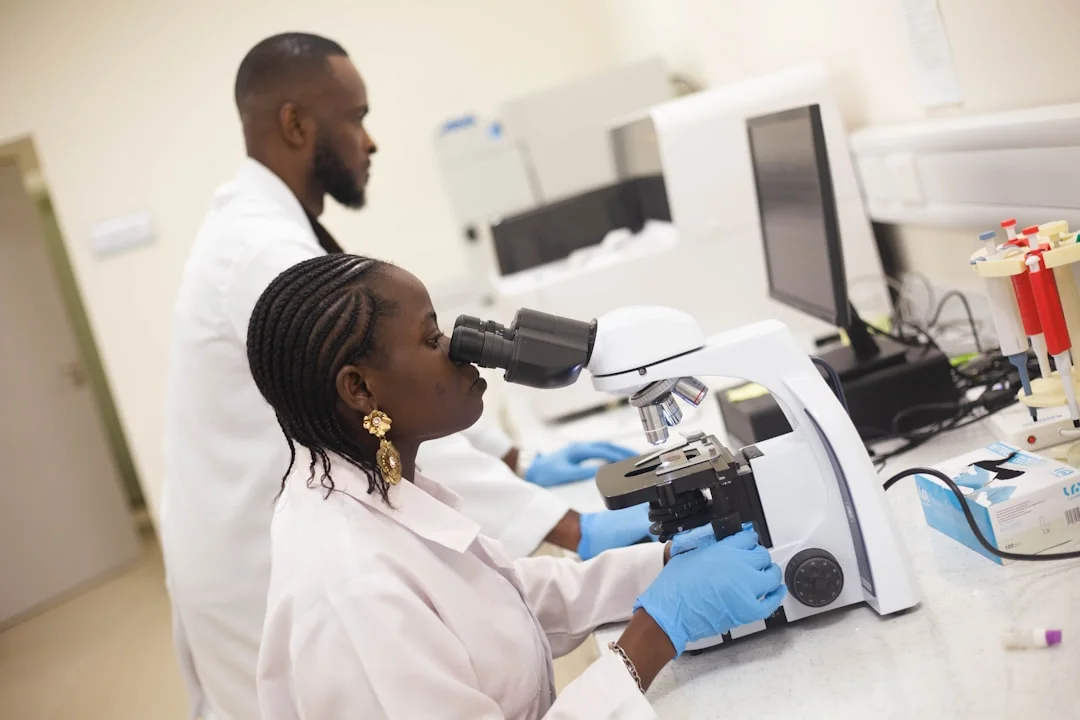
Photo by Ezebunwo Omachi on Unsplash
The Cambridge Review reports that the UK is moving toward establishing a national genomics biobank network by 2026, a development that could reshape how genomic data are integrated with clinical care and public health research. The information comes from publicly available policy documents and statements that frame a coordinated national effort to connect major cohorts, infrastructure, and governance around genomic data in the United Kingdom. The shift aligns with the broader Genome UK agenda, which envisions a sustainable, data-enabled healthcare landscape where genomic insight accelerates precision medicine across the NHS and research communities. This news matters because it signals a concerted move to scale up genomic data sharing, standardization, and ethical governance in a way that touches universities, national health systems, and patient cohorts alike. The discussion also highlights the practical implications for researchers who rely on large, linked datasets and for patients whose data could play a central role in future diagnostics and therapies. The public record suggests that 2026 could be a pivotal year as policy, funding, and governance converge to make a UK-wide genomics network more than a collection of isolated programs. (assets.publishing.service.gov.uk)
In particular, government and institutional documents emphasize integrating major UK data assets—UK Biobank, Genomics England, and Our Future Health—into a cohesive genomic research and clinical delivery ecosystem. This approach is described as a strategic objective within the Genome UK framework and related NHS genomics strategies that aim to anchor the UK as a global leader in genomic healthcare. The underpinning rationale is straightforward: when diverse datasets—genomic, clinical, imaging, and real-world data—can be securely linked and analyzed at scale, researchers can identify biomarkers, tailor therapies, and run large-scale population health studies with greater speed and accuracy. While the precise mechanics of the network remain subject to policy decisions and procurement cycles, the public-facing documents consistently position a national genomics network as a core element of 2026 health research and practice expansion. (assets.publishing.service.gov.uk)
Section 1: What Happened
Announcement and scope
The publicly documented trajectory toward a UK national genomics biobank network by 2026 is framed within the government’s broader genome strategy and the NHS genomics program. The National Genomics Board and related policy materials outline a governance and funding context that envisions closer coordination among major data assets, including UK Biobank, Genomics England, and Our Future Health, with the aim of sustaining the UK’s leadership in genomic health research. This framing is consistent with the government’s Genome UK platform and 10-year genomic healthcare strategy, which emphasize national coordination, data sharing, and ethical governance as pillars of the next phase of genomic medicine in the NHS. While there has not been a single, formal press release outlining a stand-alone “UK national genomics biobank network,” the consortium-style language and cross-institutional commitments reflected in official documents indicate a clear direction toward that outcome by 2026. (gov.uk)
Timeline and milestones
Key documents illuminate the timeline and milestones that inform the 2026 horizon. The Genome UK plan, published to guide England’s genomic health strategy, frames a multiyear period from 2022 through 2025 (and beyond) to build infrastructure, governance, and partnerships capable of sustaining a national genomics program. In parallel, UK Biobank has begun concrete steps to broaden data access and platform capabilities through its Research Analysis Platform (UKB-RAP), including procurement activities announced in late 2025 and updates in early 2026. These developments signal how the components of a national genomics network—data assets, analytics platforms, and governance—are being aligned in real time. The public procurement timeline for the UK Biobank’s R&D platforms and the associated infrastructure indicates that transitions and migrations will unfold through 2026, with continuity of access for researchers during the period. (assets.publishing.service.gov.uk)
Notable data points and programmatic context
- The UK Biobank has sequenced a substantial cohort and continues to expand data modalities, reflecting a scale that makes data linkage across networks both feasible and valuable. A high-profile Nature paper (2025) reports whole-genome sequencing for 490,640 UK Biobank participants, underscoring the size, depth, and research potential of the UK’s genomic resources. This milestone provides a foundational data backbone for any national network seeking to integrate multiple datasets and harmonize analyses. (nature.com)
- UK Biobank’s ongoing updates to data access and platform capabilities, including plans for initial data releases to approved researchers in 2026, illustrate how governance, access policies, and secure computing environments are evolving to accommodate larger, more interconnected datasets. These operational details help illuminate how a national genomics biobank network could function in practice, balancing open research with participant privacy and data security. (ukbiobank.ac.uk)
- Governance and ethics remain central to all steps toward a national genomic network. A notable development is the formation of an ethics-oriented collaboration among major UK genomics institutions, including the Sanger Institute and Genomics England, to strengthen standards for genomic research across the network. This collaboration underscores a deliberate emphasis on ethics, governance, and public trust as the network scales. (sanger.ac.uk)
Key facts and stakeholders
- Government and major UK institutions are framing the network around core partners: Genomics England, UK Biobank, and Our Future Health, with NHS England and NIHR playing enabling roles. This alignment is reflected in policy documents and strategic plans that describe a shared approach to data assets, consent frameworks, and governance. The emphasis on interoperability and shared standards is a recurring theme in official materials that discuss the 2026 horizon. (gov.uk)
- The National Genomics Board and related government groups serve as oversight bodies to ensure that the network’s development aligns with national health objectives, scientific priorities, and public interest. Their existence and documented activities provide a formal backbone for cross-institution collaboration envisioned in the network concept. (gov.uk)
- Industry and research organizations are increasingly engaging with the UK’s genomics ecosystem. The Sanger Institute, Genomics England, and partner institutions have publicly discussed standards and collaborative opportunities, reinforcing the sense that a nationwide, integrated approach to genomics is moving from vision to implementation. (sanger.ac.uk)
Public communication and expert perspectives
Experts and institutions have stressed that building a national genomics framework is not simply about collecting data; it’s about enabling responsible, responsible-scale data sharing, robust governance, and practical pathways for translating genomic insights into clinical and public health benefits. A prominent framing from Genomics England and partner bodies emphasizes the need for ethical standards, cross-cohort interoperability, and patient-centered governance as the network expands. This emphasis is echoed in related medical and genomic governance discussions in reputable outlets and institutional communications. (sanger.ac.uk)
Section 2: Why It Matters
Impact on research and clinical practice
A national genomics biobank network has the potential to dramatically expand the scale and scope of genomic research in the UK. By linking major cohorts and data assets, researchers may conduct larger-scale genome–phenome studies, integrate multi-omics data with longitudinal clinical information, and accelerate discovery pipelines for rare diseases and common conditions alike. This alignment is consistent with the Genome UK framework, which aims to position the UK as a global leader in genomic-enabled healthcare. For researchers, the practical implication is access to a more comprehensive, harmonized data landscape and standardized workflows that reduce ambiguity and friction in cross-cohort analyses. (genomicsengland.co.uk)
Real-world data integration and analytics
The push toward data integration is not just a theoretical goal; it is being advanced through concrete platform and governance initiatives. The UK Biobank’s efforts to offer a secure, scalable research environment (UKB-RAP) demonstrate how large, linked datasets can be analyzed within controlled, compliant cloud environments. As data types accumulate—genomics, imaging, proteomics, and real-world data—the network’s value increases for investigators seeking to develop predictive models, validate biomarkers, and test precision medicine strategies in diverse populations. This infrastructure work is a necessary precursor to any truly national-scale genomics network capable of supporting routine clinical decision-making alongside research. (community.ukbiobank.ac.uk)
"The National Genomics Board and allied bodies have underscored that the UK’s genomic data assets should be part of an ecosystem that is both ethically sound and scientifically productive," a genomics research leader noted in recent governance discussions. Such governance investments are as crucial as the data and platforms themselves. (gov.uk)
Stakeholders and beneficiaries
- Patients and participants: A national network must continue to prioritize consent, privacy, and transparency. The ethics networks and governance discussions emphasize public trust and responsible stewardship as prerequisites for any expansion of data sharing. Stakeholders expect that participants will benefit through faster diagnostic breakthroughs, more personalized therapies, and safer pharmacovigilance while preserving rights and autonomy. The ethics perspective from the Sanger Institute-led collaboration highlights these concerns and the commitment to robust standards. (sanger.ac.uk)
- Healthcare systems and clinicians: The NHS genomics programs and the Genome UK strategy aim to translate genomic insights into clinical pathways, enabling early diagnosis, risk stratification, and personalized management. The integration of genomic data with electronic health records and real-world data could support more precise risk assessment and targeted intervention strategies across primary and secondary care. This is consistent with public health planning and NHS genomics strategy documents. (genomicsengland.co.uk)
- Researchers and industry: For researchers, access to expanded, interoperable datasets opens opportunities for large-scale statistical genetics, translational science, and collaboration with industry partners in drug discovery and diagnostics. The Nature and Nature Genetics articles on UK genomic data resources illustrate the kind of scale and cross-cohort analyses that a national network could enable. (nature.com)
Broader context and international comparators
The UK’s approach to building a national genomics network aligns with global trends toward federated data infrastructures that balance data access with privacy, security, and governance. Governments and international consortia emphasize interoperable standards, data access controls, and cross-border collaboration to maximize the impact of genomic data on health outcomes. While the UK-specific network is framed within domestic policy, its design considerations—such as ethics governance, platform scalability, and cross-cohort interoperability—are highly relevant to international exemplars and potential regional data-sharing arrangements. (gov.uk)
Ethical, legal, and social implications
The move toward a national genomics network inherently raises questions about consent, data sovereignty, data reuse, and long-term governance. The governance work described by leading UK institutions highlights ongoing efforts to create ethical guidelines that can sustain public trust while enabling scientific progress. Engaging diverse stakeholders—including patient representatives, clinicians, researchers, and industry partners—remains a central principle as the network scales. As with any large-scale biobanking and genomic data project, continuous evaluation of consent frameworks, data access policies, and benefit-sharing remains essential. (sanger.ac.uk)
What it means for UK health equity
A national genomics network, if realized with robust governance and inclusive data-sharing practices, could contribute to reducing health disparities by ensuring diverse population cohorts are included and represented in genomic research. The Genome UK strategy explicitly recognizes the importance of equitable access to benefits derived from genomic data. Ongoing policy work, data governance, and community engagement will determine whether the network’s benefits reach underrepresented groups and how researchers address potential biases in datasets. (assets.publishing.service.gov.uk)
Industry and policy signals
Industry groups and biomedical organizations are watching the national genomics network with interest, given the potential implications for precision medicine, drug development, and diagnostic tools. The 2025–2026 period has seen intensified dialogue among NHS authorities, Genomics England, UK Biobank, and partner institutions about standards, data sharing, and ethical safeguards. These conversations underscore the policy environment shaping the network and provide signals about timing, investment priorities, and governance structures likely to influence the 2026 timeline. (gov.uk)
Section 3: What’s Next
Implementation timeline and next steps
The path to a fully realized UK national genomics biobank network by 2026 will depend on several interlocking workstreams: governance and ethics, data infrastructure, data access policies, and cross-institutional collaboration agreements. The procurement and platform-migration work currently underway at UK Biobank—tied to the Research Analysis Platform and related infrastructure—illustrates how a national network might roll out in stages, preserving researcher access while upgrading capabilities. Expect continued updates on procurement milestones, data access policy refinements, and interoperability standards in 2026 as the network consolidates its architecture. (ukbiobank.ac.uk)
Governance and standards
Ongoing ethics and governance work will shape how consent, privacy, and governance are operationalized as datasets are linked and shared more broadly. The ethics-network collaboration among Sanger Institute, Genomics England, Our Future Health, and UK Biobank points to structured governance that can scale to national-level operations. Expect public-facing policy updates, ethics guidance, and governance reports as milestones over 2026 and beyond. (sanger.ac.uk)
Platform and data readiness
As platforms like UKB-RAP mature and data access policies become more streamlined, researchers can anticipate more efficient workflows for data discovery, access requests, and secure analysis. The UK Biobank’s procurement updates and platform development work indicate a trajectory toward larger, more capable analytics environments that can support a national-scale genomics network. The fact that data access for initial UK Biobank samples is planned for 2026 provides a concrete reference point for researchers planning to engage with the network as it expands. (ukbiobank.ac.uk)
Timeline milestones to watch
- Early 2026: Policy updates and governance publications related to Genome UK and the national genomics network, including ethics guidance and interoperability standards referenced by major institutions. (assets.publishing.service.gov.uk)
- Mid-2026: UK Biobank and partner platforms release coordinated data access opportunities and platform enhancements, with ongoing procurement activity forming the backbone of the network’s technical infrastructure. (ukbiobank.ac.uk)
- Late 2026: Progress assessments and public reporting on data linkage pilots, cohort integration efforts, and early clinical translation studies that demonstrate the network’s value for precision medicine. (gov.uk)
What readers should watch for
- Announcements from Genomics England, UK Biobank, and Our Future Health about governance updates, data standards, and cross-cohort integration efforts.
- Policy briefings and parliamentary or government-level statements that outline funding commitments, oversight mechanisms, and progress toward national-scale data sharing.
- Emerging research and early case studies that show the practical benefits of tighter data integration for diagnosis, prognosis, and treatment customization across the NHS and affiliated research programs. Peer-reviewed studies and conference reports from major genomic research venues will be essential for assessing whether the network achieves its aims in 2026 and beyond. (genomicsengland.co.uk)
What’s Next for researchers and clinicians
Researchers planning to work with UK genomic data should monitor changes in data access policies, platform capabilities, and the availability of linked datasets. Clinicians are likely to see genomic information woven into routine care pathways more extensively as the network matures, supported by decision-support tools and standardized reporting. The pace at which these changes occur will depend on governance clarity, platform interoperability, and the timeliness of data releases that researchers rely on for rigorous analyses. (community.ukbiobank.ac.uk)
Closing
In summary, the UK is navigating toward a national genomics network that could transform how genomic data are used in research and clinical care. The movement is anchored in established strategies like Genome UK and reinforced by major data assets including UK Biobank, Genomics England, and Our Future Health. As 2026 approaches, policy makers, researchers, and healthcare professionals will be watching for concrete milestones, including governance updates, data-access policy refinements, and platform improvements that collectively enable safer, faster, and more equitable use of genomic information. For readers who want to stay informed, following official channels from Genomics England, UK Biobank, and NHS England, as well as major genomic research journals and policy briefs, will be essential. The next several months should reveal how closely the trajectory matches the ambitious timelines laid out in policy documents and how quickly the network begins to impact patient care and scientific discovery. (gov.uk)