Public Science Engagement Cambridge 2026 Data Challenge

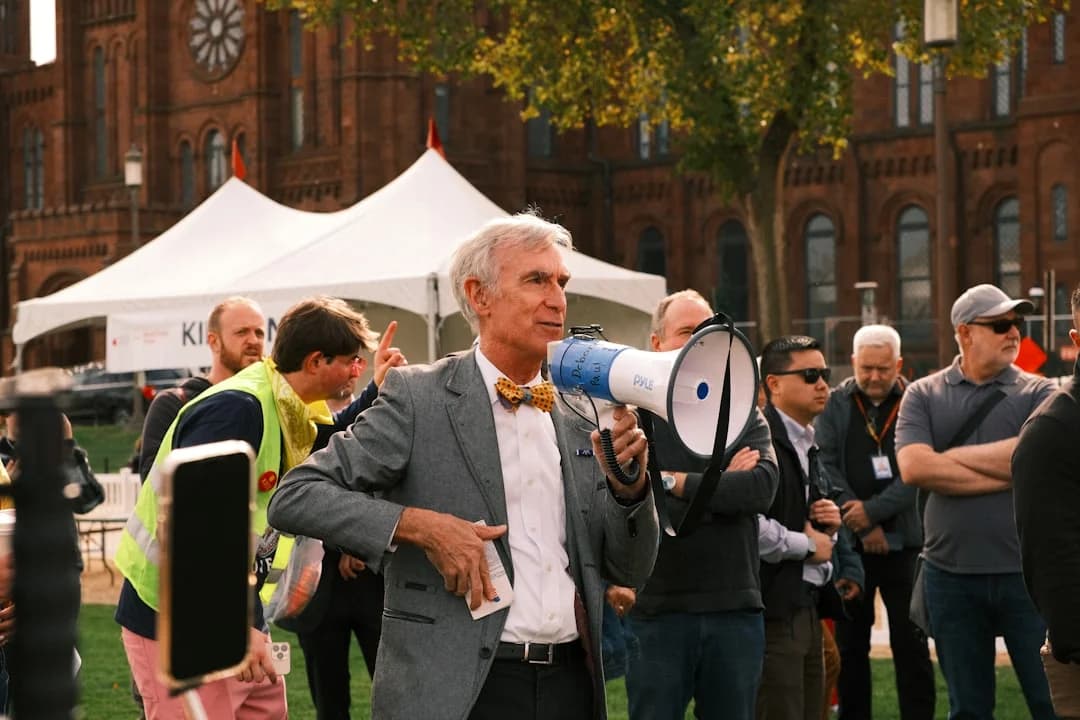
Photo by Kaden Taylor on Unsplash
The Cambridge public science landscape is evolving as 2026 unfolds, with a concerted push toward public science engagement in Cambridge that centers on a city-wide open data challenge and broader open-data initiatives. This year’s developments are part of a broader push to democratize data, improve transparency, and connect residents with local science and technology initiatives. As Cambridge lawmakers and regional partners align on data-sharing standards and public engagement goals, the city’s approach to open data and civic science is moving from pilot projects to scalable programs that involve schools, universities, startups, and community organizations. The momentum is underscored by formal planning documents and high-profile public events designed to bring data into everyday civic life, making Cambridge a focal point for data-enabled public science engagement in 2026. This coverage draws on official city and university announcements, technical plans, and major public-facing events to provide a data-driven snapshot of what’s changing, who is involved, and what comes next. The description below also anchors the discussion in the current public-data and public-engagement framework Cambridge has been building since late 2025, including strategic planning activity, ongoing workshops, and forthcoming showcases. In that context, the topic of a city-wide open data challenge linked to public science engagement sits at the intersection of transparency, citizen science, and local innovation. (cambridge.gov.uk)
This year’s coverage also highlights a concrete calendar of public-engagement-oriented events and programs that frames the broader objective of making Cambridge a more data-informed, science-literate community. Cambridge Wide Open Day, scheduled for June 17, 2026, is one of several public-facing occasions designed to illuminate how datasets power local decisions, how researchers and residents can collaborate through data, and how city services benefit from open data and citizen input. The event is part of a regional ecosystem of science and data events that includes climate-focused challenges, university-led public-engagement initiatives, and city-housed open-data services aimed at fostering civic participation. These activities sit alongside ongoing climate and biodiversity planning efforts, which themselves rely on data transparency and public involvement as core enablers. (cambridgewideopenday.com)
Opening paragraph takeaways: the year 2026 in Cambridge is characterized by a structured push toward public science engagement anchored in public data access, civic workshops, and city-wide events that invite residents to participate in co-creating local knowledge. As this report shows, officials are pairing formal data-planning work with tangible, public-facing events that aim to translate datasets into actionable community insights. The ultimate goal is a broader, more inclusive culture of data literacy and science literacy that benefits students, researchers, local businesses, and everyday residents. The approach is careful, data-driven, and aimed at measurable public value, with careful attention to transparency and accountability as the foundation for trust. (cambridge.gov.uk)
What Happened
Announcement and Context
The city’s public-data trajectory gained formal momentum in late 2025 when Cambridge opened a public review of its Open Data Strategic Plan for 2026–2028. The plan, initially released as a draft in December 2025, laid out a multi-year framework for expanding public datasets, increasing accessibility, and fostering community collaborations around data. City staff and researchers subsequently published the final plan in early January 2026, signaling a transition from planning to execution. The plan emphasizes regular workshops, both in person and online, to help residents explore data assets, learn data-literacy skills, and participate in co-design efforts around data use in city programs. This sequence—draft public feedback in December 2025, followed by a formal plan in January 2026—illustrates a transparent, participatory approach to open data in Cambridge. (cambridgema.gov)
The public-data agenda sits within a broader municipal strategy that ties open data to climate and urban resilience efforts. Cambridge’s climate and biodiversity planning documents, including updated strategies for 2026–2031 and related actions, underscore the city’s reliance on data to guide investments in energy, water management, and nature-based solutions. The city’s leadership has framed data transparency as a core ingredient in both governance and long-term climate action. This linkage is visible in recent council communications and climate-focused program pages that highlight the use of datasets to monitor progress and inform decisions. (cambridge.gov.uk)
Key Facts and Timeline
- December 3, 2025: The Cambridge Open Data Strategic Plan for 2026–2028 was released in draft form for public review, signaling the city’s intent to broaden and deepen data access and engagement. The draft stage invited broad community feedback to shape the plan before formal adoption. (cambridgema.gov)
- January 2026: The final Cambridge Open Data Strategic Plan (2026–2028) became available, consolidating feedback and setting forth concrete steps for expanding datasets, promoting open data literacy, and supporting workshops and co-design initiatives across the city. The final plan reflects a mature, implementable approach to data governance and public participation. (cambridgema.gov)
- June 17, 2026: Cambridge Wide Open Day is scheduled to welcome visitors from across the Cambridge community to explore innovations in science and technology, reflecting the city’s commitment to public engagement with science and data-driven innovation. The event is designed to showcase local research, data-enabled projects, and opportunities for residents to interact with scientists and technologists. (cambridgewideopenday.com)
- May 1, 2026 (Grand Final): The Cambridge Climate Challenge 2026 is set to conclude with a Grand Final Showcase at King’s College, Cambridge, featuring nine teams of postgraduate researchers and entrepreneurs presenting data- and technology-driven solutions to climate-related challenges. The finals cap a multi-week program of workshops, mentorship, and competition components designed to catalyze public-facing climate innovation. (zero.cam.ac.uk)
- Ongoing climate and open-data initiatives: The city has continued rolling out climate and biodiversity plans, including updates to the Biodiversity Strategy and the expansion of data-informed decision-making for city operations and public services. These initiatives provide the data infrastructure and governance framework that underpin broader public-science-engagement efforts, including open-data workshops and community datasets. (cambridge.gov.uk)
- Public engagement platforms and transparency: The City of Cambridge maintains open-data resources intended to improve transparency and enable residents, researchers, journalists, and students to access city datasets. The open-data portal and related pages describe the kinds of data available (e.g., datasets, grants, and program results) and the ongoing work to expand and improve data access for the public. (cambridge.gov.uk)
Stakeholders Involved
Multiple actors are participating in Cambridge’s public-science and open-data activities in 2026. The Cambridge City Council is coordinating the open-data strategy, publishing planning documents, and hosting workshops to boost data-literacy and public participation. The University of Cambridge and Cambridge Zero programs are actively involved through climate challenges, research showcases, and data-driven policy discussions that connect academic work to city-scale outcomes. Public-private partners, community organizations, and schools are also participating in events like Open Data workshops and the Cambridge Wide Open Day, which aim to democratize access to data and enable co-creation around local science initiatives. The mix of municipal leadership, academic partners, and community groups reflects a broad ecosystem designed to support public science engagement Cambridge 2026 city-wide open data challenge in spirit, if not by that exact formal title. (cambridge.gov.uk)
Contextual Backdrop: Open Data as a Strategic Priority
Cambridge’s 2026–2028 Open Data Strategic Plan anchors the city’s public-data push in a formal strategy that prioritizes accessibility, capacity building, and collaborative governance. The plan envisions a city where residents can explore, analyze, and contribute to data-driven decisions—whether in urban planning, climate resilience, or public health. Workshops and online tutorials are positioned as essential tools to reduce barriers to data use and empower diverse participants to engage with local science and policy questions. This approach aligns with broader city commitments to climate action and data transparency, which themselves rely on robust datasets and clear governance to be credible and effective. (cambridgema.gov)
Why It Matters
Public Engagement and Transparency

The move toward a city-wide open data challenge and related public-science initiatives matters for democratic governance and civic trust. Open data programs are designed not only to make information accessible but also to invite public scrutiny, contribution, and collaboration in solving local problems. Cambridge’s emphasis on public workshops and transparent planning documents signals a deliberate strategy to translate data into tangible civic benefits, from better service delivery to more informed community participation in climate and urban planning decisions. This alignment between data transparency and public engagement is a recurring theme in Cambridge’s current policy documents and public-facing programs. (cambridge.gov.uk)
The broader context—linking public science engagement to city governance—helps explain why open data is central to 2026 planning. By design, open datasets enable researchers, students, and community organizations to test hypotheses about local phenomena, run reproducible analyses, and share findings that could inform policy or spur local innovation. The city’s climate and biodiversity agendas demonstrate how data transparency can accelerate responsible decision-making, measure progress, and catalyze community-led problem solving. In practice, this means residents can observe how data underpin the city’s climate strategy, how risk and vulnerability analyses influence infrastructure investments, and how citizen feedback loops are integrated into program design. (cambridge.gov.uk)
Public science engagement Cambridge 2026 city-wide open data challenge embodies a belief that data literacy and public participation are essential for resilient, innovative communities. When residents gain access to datasets about traffic patterns, air quality, energy usage, or urban biodiversity, they can propose concrete, local solutions or critique plans with evidence. That is the essence of data-driven public discourse: a shared baseline of information from which credible arguments and constructive collaboration emerge. Cambridge’s public-data reforms and events are designed to lower barriers to such participation, from simplifying data access to offering guided workshops that teach data literacy, visualization, and basic analysis. The practical implication is a more informed citizenry and a more responsive local government. (cambridge.gov.uk)
Economic and Innovation Implications
Open data initiatives, including a city-wide data challenge, have substantial economic implications. When datasets are accessible and easy to reuse, startups, researchers, and community groups can develop new products and services—ranging from local air-quality dashboards to neighborhood-level risk assessments or demand forecasting for municipal services. Cambridge’s approach to data openness is designed to catalyze this kind of local innovation by providing data access alongside training and support. The public data ecosystem, supported by regular workshops and the public availability of datasets and program results, reduces the friction for small firms and student teams to build, test, and pilot data-driven solutions that address city-scale problems. In turn, this fosters local entrepreneurship and can attract new partners to Cambridge’s science and tech economy. (cambridge.gov.uk)
At the same time, a strong data infrastructure supports evidence-based policymaking. Policy makers can rely on actual datasets—emissions inventories, biodiversity indices, housing and transport data, and more—to evaluate programs, adjust plans, and communicate results to residents. This creates a virtuous cycle: more open data leads to better policy outcomes, which, in turn, fosters more public trust and more participation in data-driven governance. The city’s 2026–2028 plan explicitly contemplates this cycle by formalizing data governance, expanding the catalog of accessible datasets, and sustaining capacity-building for data users across diverse communities. (cambridgema.gov)
Equity, Inclusion, and Community Empowerment
A core rationale for public science engagement Cambridge 2026 city-wide open data challenge is equity—ensuring that all residents, including students, small businesses, non-profits, and communities traditionally underserved by government data, can access and use information that affects their daily lives. Cambridge’s public-workshop structure and open-data portal are designed to lower technical barriers and invite broader participation. This approach aligns with the city’s stated goals of transparency and inclusive civic engagement, aiming to empower residents to interpret data, contribute ideas, and co-create solutions that reflect local needs. While data openness alone does not guarantee equity, the structured programmatic elements—education, outreach, and accessible data—are critical enabling conditions for more inclusive public science engagement. (cambridge.gov.uk)
What's Next
Upcoming Milestones
Looking ahead, Cambridge’s public-data and public-science agenda in 2026 features several high-impact milestones that readers should watch closely. The Cambridge Wide Open Day on June 17, 2026, stands out as a flagship event designed to reveal how data and research translate into real-world innovations. Attendees can expect hands-on demonstrations, talks, and interactive exhibits that connect datasets to local issues such as climate resilience, urban mobility, and environmental monitoring. This event is part of a calendar of activities that collectively demonstrate how open data and public science engagement can be manifested in public-facing experiences. (cambridgewideopenday.com)
On the climate and sustainability front, the Cambridge Climate Challenge 2026 will culminate with a Grand Final on May 1, 2026, at King’s College, Cambridge. Nine teams comprising postgraduate researchers and entrepreneurs will present their data- and technology-driven solutions to climate-related problems, offering a tangible demonstration of how data-informed thinking can yield innovative responses to local environmental challenges. The competition is supported by a program of workshops and mentorship designed to foster collaboration across disciplines and to present a clear pathway from data to impact. (zero.cam.ac.uk)
Beyond these headline events, the Open Data Strategic Plan 2026–2028 remains the north star for how Cambridge will expand data access, improve governance, and promote community capacity-building. Residents and organizations will have opportunities to participate in online and in-person workshops to navigate new datasets, test analytic tools, and contribute to ongoing planning discussions. The city’s ongoing climate and biodiversity planning work provides additional channels through which the public can observe, test, and contribute to data-driven decisions. As these programs unfold, expect periodic updates on dataset catalogs, toolkits for data visualization, and new partnerships that broaden the spectrum of voices involved in public science engagement Cambridge 2026 city-wide open data challenge activities. (cambridgema.gov)
Timeline and Next Steps for Participants
For residents, educators, researchers, and community groups seeking to participate in Cambridge’s data-driven public-science agenda, several practical steps are already in motion. First, keep an eye on the city’s open-data portal and the events calendar for announcements about upcoming workshops, hackathons, data-education sessions, and co-design meetings. These sessions will offer hands-on experiences with public datasets, training in data visualization, and guidance on ethical data use and privacy considerations. The workshops are designed to be accessible to newcomers while offering deeper dives for more experienced data users, ensuring a broad audience can engage with the city’s open-data resources. (cambridge.gov.uk)
Second, participate in public-review processes associated with the Open Data Strategic Plan 2026–2028. Public feedback is an essential component of Cambridge’s approach to data governance, ensuring the plan reflects community needs and concerns. The initial public review process for the draft plan occurred in December 2025, and the finalized plan in January 2026 set the stage for subsequent implementation steps, including expanded datasets and new community-facing initiatives. Residents and organizations can expect further opportunities to weigh in as the plan evolves through 2026–2028. (cambridgema.gov)
Third, monitor and participate in the climate and biodiversity data initiatives that accompany open-data expansion. The city’s climate strategy updates and biodiversity actions rely on data for monitoring, reporting, and continuous improvement. By engaging with these programs, community members can gain exposure to data-driven decision-making processes and understand how data informs policy decisions that affect daily life in Cambridge. The alignment between climate action and open data is not incidental; it is a deliberate strategy to ensure accountability and to maximize local impact through citizen involvement. (cambridge.gov.uk)
What to Watch For in the Public-Science Ecosystem
- Data catalog expansion: Expect announcements about new datasets, improvements to data quality, and enhanced accessibility features. The city’s open-data portal and related pages are likely to publish regular updates on datasets, including funding outcomes, program results, and environmental indicators. (cambridge.gov.uk)
- Capacity-building resources: Expect continued emphasis on workshops, tutorials, and support materials that help non-technical users interpret data and participate in co-design activities. The planning documents emphasize education and outreach as core components of the open-data program. (cambridgema.gov)
- Public engagement channels: The city will likely expand avenues for public input, including surveys, town halls, and online comment periods tied to plan updates and program evaluations. Public engagement has been a consistent thread in Cambridge’s governance approach as it relates to open data and climate initiatives. (cambridge.gov.uk)
What’s Next (continued): Governance and Collaboration
Partnerships and Governance

As Cambridge advances its 2026–2028 data strategy, governance mechanisms will matter as much as data itself. The strategic plan emphasizes partnerships across city departments, the university ecosystem, and community organizations to ensure that data products reflect real needs and that accountability is maintained through public reporting. This collaborative model is designed to align technical data work with civic goals, such as improving air quality, accelerating climate resilience, and supporting evidence-based policymaking. By coordinating across sectors, Cambridge can maximize the social return on its data investments and ensure that open-data benefits are broadly shared. (cambridgema.gov)
Public Perception and Trust
Public trust hinges on transparency and demonstrable value. By publicly sharing datasets, sharing progress through accessible metrics, and inviting audience participation in events like the Open Data Week and the Cambridge Wide Open Day, Cambridge signals that data is not merely a technical asset but a shared resource with direct human impacts. The city’s ongoing communications about climate action and data governance help sustain this trust by showing how datasets are leveraged to inform decisions and measure outcomes. While challenges remain—such as ensuring data quality and protecting privacy—the structure of public workshops, accessible datasets, and clear governance pathways positions Cambridge to advance public-science engagement in a manner that is both inclusive and credible. (cambridge.gov.uk)
Closing
Cambridge’s 2026 public science engagement agenda—centered on a city-wide open data challenge and amplified by a formal Open Data Strategic Plan for 2026–2028—reflects a deliberate shift toward data-enabled civic participation. By coupling accessible datasets with public workshops, school partnerships, and high-profile events like Cambridge Wide Open Day and the Climate Challenge Grand Final, Cambridge is building a community where data literacy, scientific curiosity, and local action converge. The city’s approach underscores a belief that data, when openly shared and responsibly governed, can become a catalyst for public understanding, policy effectiveness, and local innovation. Residents and community organizations will have ongoing opportunities to engage, learn, and contribute as Cambridge continues to evolve its data-driven public-science ecosystem throughout 2026 and beyond.
This is a moment for Cambridge to demonstrate how public science engagement can be woven into everyday civic life through transparent data governance, collaborative events, and accessible learning opportunities. As the plan unfolds and new datasets enter the public domain, the city’s open-data culture will likely become a defining feature of Cambridge’s identity as a hub for science, technology, and civic participation. The path ahead will require continued commitment to inclusivity, continuous learning, and rigorous evaluation to ensure that every dataset released yields tangible public value and strengthens the social fabric of Cambridge.
As Cambridge moves forward, readers can stay informed by watching for updates from the City Council, academic partners, and public engagement platforms. The ongoing collaboration between local government, universities, and community groups holds promise for a more transparent, more data-driven, and more scientifically engaged Cambridge in 2026 and beyond. Updates and details about upcoming workshops, dataset releases, and public-engagement opportunities will be shared through official channels as they become available, offering residents a clear, direct line to participate in the city’s evolving open-data and public-science initiatives. (cambridge.gov.uk)