Open Licensing for Public Health Data in UK Unis 2026


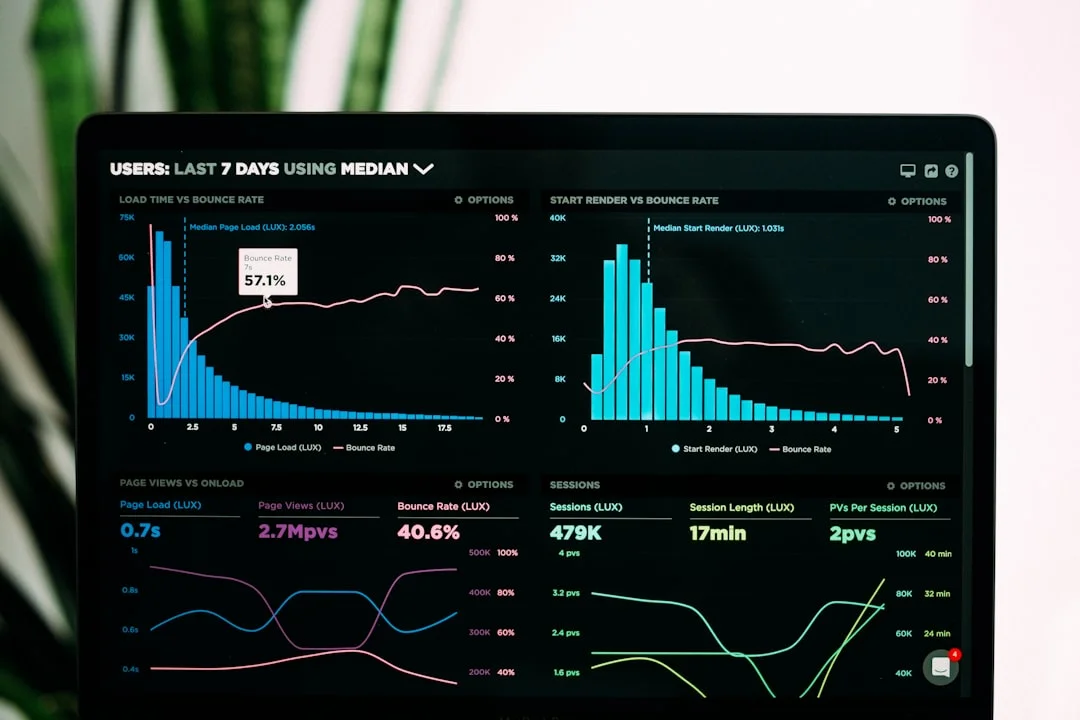
Photo by Darya Tryfanava on Unsplash
As Cambridge Review reports, 2026 is shaping up as a watershed year for open licensing of health datasets across UK higher education. Open licensing arrangements are moving from a policy conversation into practical, funded practice as major health data initiatives widen access to researchers inside and outside the NHS ecosystem. This piece examines Open Licensing for Public Health Research Data in UK Universities 2026, outlining what changed, why it matters for universities and public health, and what comes next in a landscape defined by governance, privacy protections, and the push toward more interoperable, reusable data. The news arrives at a moment when UK research policy formalizes openness as a default, while ensuring safeguards around consent, ethics, and public benefit. Cambridge Review’s data-driven lens tracks the connected moves—from platform launches and data access pilots to national policy shifts—that collectively redefine who can reuse health data in pursuit of better health outcomes. “Open data is not a free-for-all; it is a carefully governed space where public benefits must be balanced with patient privacy,” one Oxford-led platform notes in its ongoing communications. (phc.ox.ac.uk)
The broader environment for data licensing in the United Kingdom now routinely invokes official licenses and standardized practices that aim to accelerate reuse while preserving trust. At the core is a transition to open by default for publicly funded research data, tempered by legal and ethical obligations. The Open Government Licence (OGL) v3.0 underpins many public-sector data reutilization efforts, including health data released through government-backed services, and is frequently paired with Creative Commons licenses for non-government datasets. This policy posture is reinforced by UKRI’s ongoing emphasis on openness, metadata discoverability, and responsible sharing, aiming to make data more Findable, Accessible, Interoperable, and Reusable (FAIR). In practice, universities are increasingly adopting open licensing strategies for their research data, while retaining the option of bespoke licenses where sensitivity or consent constraints apply. This hybrid approach—open where feasible, controlled where necessary—reflects both the UK’s public policy framework and the practical realities of health data governance. (fingertips.phe.org.uk)
Opening paragraph notes Cambridge Review’s neutral, data-driven stance and its emphasis on timely, verifiable developments. The period since early 2026 has seen several high-profile milestones that illuminate how UK universities are negotiating licensing, access, and the governance framework around health data. The OpenSAFELY platform’s expansion beyond COVID-19 data to broader health research signals not just a widening of permissible research topics, but also a testing ground for open access workflows that still prioritize privacy and governance. The publication timeline set out by Oxford’s Bennett Institute confirms that the application window for non-COVID health research opened on March 18, 2026, with a closing date of April 30, 2026, and a decision expected by May 31, 2026. In addition, institutional platforms such as the Barts Health Data Platform began publishing access pathways in June 2026, explicitly describing a governed approval process for external researchers and offering de-identified data under clear usage conditions. Together, these developments illustrate a shifting but structurally complex licensing regime for health research data in UK universities. (phc.ox.ac.uk)
Section 1: What Happened
Timeline of key events (March 2026 – June 2026)
- March 18, 2026: OpenSAFELY expands to accept non-COVID health research queries, opening a broader research arena while retaining strict privacy protections. Applications for non-COVID health research opened, with a closing deadline of April 30, 2026, and decisions expected by May 31, 2026. This marks a formal broadening of the platform’s access model beyond the pandemic era, underscoring a shift toward wider data reuse in line with the UK’s broader openness agenda. (phc.ox.ac.uk)
- March 23, 2026: UKRI announces a pilot funding opportunity for Our Future Health data access, designed to support eligible researchers funded by the Medical Research Council (MRC) to access Our Future Health data, with a total funding of £1,000,000 allocated to data access costs under the scheme. The portal indicates rolling expressions of interest and emphasizes that data access is restricted to researchers connected to MRC funding. This demonstrates continued public investment in shared data resources as levers for health research. (ukri.org)
- June 5, 2026: Barts Health launches its data platform, enabling external researchers to access de-identified patient data through a governed approval process. The platform emphasizes support for clinical and academic research, population health analysis, AI development, and evaluation of care pathways, while maintaining a charging model that reflects the value of data and governance costs. The platform notes that data access is limited to de-identified records (over two million patients) to protect privacy and comply with NHS standards. (bartshealth.nhs.uk)
- Throughout early 2026: The Open Government Licence (OGL) framework continues to function as the backbone for re-use of public sector information, including health-related datasets disseminated via government and public health portals. Open Government Licence references remain central to data reuse discussions in public health contexts, with the National Archives and GOV.UK providing the official licensing guidance. This licensing framework supports attribution and reuse while clearly delineating what can and cannot be repurposed without additional permissions. (nationalarchives.gov.uk)
Key actors and platforms
- OpenSAFELY: A data platform that aggregates NHS primary care data, offering secure analysis environments where researchers work with de-identified data and code. Its governance model, privacy-preserving design, and expanding scope into non-COVID health research make it a bellwether for how UK universities think about licensing, access, and data reuse rights in health research. The platform’s leadership highlights the ability to conduct large-scale research while protecting patient privacy, which is central to licensing decisions and access controls. The platform’s ongoing communications emphasize collaboration with NHS England, TPP, Optum, and a broad set of academic partners. (opensafely.org)
- Our Future Health: A major UK health data initiative that UKRI is actively supporting through data access pilots and research opportunities. The program’s data resource has a structured access pathway for researchers, with a focus on public benefit and governance. The UKRI page describes the pilot’s rolling admissions, eligibility criteria for MRC-funded researchers, and the data access terms and conditions. The program’s design demonstrates how licensing and access decisions are tied to funder governance and open-research expectations. (ukri.org)
- Barts Health Data Platform: A hospital-led data platform that is notable for its real-world data scale (over two million de-identified patient records) and its clear external-access governance framework. The platform’s pricing and application workflow illustrate how licensed data reuse intersects with institutional revenue models and governance, a tension often visible in university data-sharing negotiations. (bartshealth.nhs.uk)
- UK Data Service and licensing guidance: The UK Data Service publishes practical guidance on re-use licenses (open vs. bespoke) and deposit licenses, explaining how universities should license datasets for reuse, including CC licenses, CC0, and the Open Government Licence (OGL). This guidance is central to understanding how UK universities plan and justify licensing strategies for public health research data. (ukdataservice.ac.uk)
- Open Government Licence framework: The Open Government Licence v3.0 provides the official basis for re-use of Crown copyright works and many public-sector data assets. It is widely cited in health data contexts as the default licensing path for non-personal public sector information. Its existence shapes licensing conversations at UK universities by clarifying attribution, reuse permissions, and the boundaries of public data rights. (nationalarchives.gov.uk)
Key facts and numbers
- Deadlines and processing timelines: OpenSAFELY’s non-COVID research window closed at 17:00 on April 30, 2026, with decisions communicated by May 31, 2026, underscoring a tight, decision-driven process for licensing and access. External researchers and institutions must adhere to NHS England’s governance rules and ensure proposals align with public-benefit principles. (phc.ox.ac.uk)
- Data scale and access models: Barts Health Data Platform reports de-identified data from over two million patient records, accessible to external researchers through a governed approval process. The platform notes a pricing structure that includes a process fee of £2,000 and data-value-based charges, reflecting the cost of governance, data curation, and security. This pricing signal helps universities price research access and demonstrates how licensing is embedded in data-sharing economics. (bartshealth.nhs.uk)
- Our Future Health data access pilot: The pilot program, with a £1,000,000 total fund, aims to subsidize data access costs for eligible MRC-funded researchers, illustrating how funders are layering financial incentives onto licensing and access mechanisms to stimulate data reuse in health research. The program’s rolling admission and two-step process (EOI, then full application) reveal both the openness and the gatekeeping that characterize UK licensing in practice. (ukri.org)
- Data licensing best practices: The UK Data Service emphasizes two broad license types for reuse—open licenses (such as CC variants, CC0) and bespoke licences when data sensitivity or participant consent constraints require tighter control. It also highlights deposit licenses to clarify repository obligations. These practical licensing options are essential for universities implementing Open Licensing for Public Health Research Data in UK Universities 2026, particularly for datasets containing health-related information. (ukdataservice.ac.uk)
- Government license framework: Open Government Licence v3.0 is the standard reference for re-use of public sector information, including health datasets disseminated through government data services or public health portals. The licence allows reuse with attribution and is designed to support interoperability and reuse across different platforms and projects, which is crucial as universities align their licensing with national standards. The Fingertips portal explicitly states that its data content is available under the Open Government Licence, reinforcing the practical application of OGL in health data. (fingertips.phe.org.uk)
Highlights from expert voices and official guidance
- The UKRI policy context makes openness the default for publicly funded data, with a caveat that openness must be balanced with legal, ethical, and commercial constraints. The OECD summary of the UKRI policy notes that data should be as open as possible, as restricted as necessary, with metadata that supports reuse and clear pathways to accessing supporting data. This policy tone directly informs how universities frame licensing for health research data in 2026. (oecd.org)
- OpenSAFELY’s leadership emphasizes that the platform’s design—privacy-by-default, secure analysis environments, and broad collaboration—demonstrates that openness and safety are not mutually exclusive. As one industry advocate puts it in OpenSAFELY materials, the platform represents a “transformative approach to patient data, enabling rapid, large-scale research to provide answers to critically important research questions – while protecting patient privacy.” This framing reinforces the licensing narrative: open reuse must be compatible with robust governance and privacy protections. (opensafely.org)
- The Open Government Licence framework remains central to reuse of public sector information across health datasets, with the National Archives and GOV.UK offering official guidance on attribution, adaptation, and redistribution. This official backbone provides universities with a predictable, standards-based path to license datasets for reuse in health research projects, ensuring alignment with national licensing requirements. (nationalarchives.gov.uk)
Section 2: Why It Matters
Open licensing as a catalyst for health research, with safeguards

- Open licensing accelerates research: When datasets are licensed to allow broad reuse, researchers can validate findings, combine datasets, and conduct meta-analyses that lead to robust public health insights. The UKRI policy discourse reinforces that publicly funded data should be accessible to the research community with minimal friction, while metadata and governance keep trust and privacy in check. This combination is essential for health outcomes research where cross-institutional collaboration can yield more accurate risk models and treatment pathways. The OECD summary provides a concise framing: openness with responsible constraints enhances transparency, re-use, and collaboration. (oecd.org)
- Governance and trust remain the gating factors: Even as licensing becomes more permissive, governance mechanisms—trusted research environments, access approvals, consent compliance, and strict data de-identification—continue to define what is allowed. The OpenSAFELY site emphasizes privacy-by-design, while the Barts Health Platform highlights a governance process for external access. Together, these signals show that licensing decisions in 2026 are less about freeing data and more about enabling responsible, auditable reuse that benefits public health. (opensafely.org)
- Public health equity and access: Data platforms like OpenSAFELY and Our Future Health are designed to reflect diverse populations in the UK, which means licensing regimes must accommodate heterogeneous data sources and consent frameworks. The Our Future Health pilot explicitly supports researchers across the UK, with addresses for international researchers carefully staged, reflecting both openness and geographic/eligibility controls. Such design choices influence which universities can participate and how licensing costs are distributed across institutions. (ukri.org)
- Licensing options and practical realities: The UK Data Service’s openness framework suggests that not all datasets will be fully open; bespoke licenses may be necessary to protect sensitive information or to satisfy participant consent. This pragmatic stance is crucial for the open licensing agenda to remain credible in health research where patient privacy is non-negotiable. The interplay of deposit licenses and reuse licenses provides universities with a toolkit to align licensing with data stewardship and ethics requirements. (ukdataservice.ac.uk)
What it means for UK universities, researchers, and funders
- Institutional policy alignment: Universities are increasingly codifying open-research policies that embrace CC licenses for data releases and OGL-compatible disclosures, while maintaining internal governance for sensitive datasets. The University of Dundee’s recent open-research policy, updated in 2026, demonstrates how UK institutions are formalizing open data practices alongside institutional data management policies. This trend indicates a broad shift toward consistent licensing frameworks across the sector, reducing fragmentation and enabling cross-institutional data reuse. (dundee.ac.uk)
- Funding and incentives: The Our Future Health pilot illustrates how funders are tying data access to research proposals and institutional backing. The commitment to fund data access and cloud compute arrangements signals a recognition that licensing and data access costs are a material part of research planning. For universities, this means budgeting for data access fees and ensuring compliance with funder terms while pursuing open data goals. (ukri.org)
- Competitive edge and international collaboration: As UKRI and related bodies push for openness, UK universities strengthen their ability to participate in international collaborations that rely on shared data resources. The OpenSAFELY model—maintaining privacy protections while permitting broad research—offers a blueprint for how UK universities can participate in global health research networks without compromising patient trust. This dynamic positions UK universities to attract partners and funding from international consortia that prize data interoperability and open access. (opensafely.org)
Section 3: What’s Next
Anticipated developments and watchpoints
- Expansion of open licensing across more datasets: Expect more health datasets to be released under open licenses either through Open Government Licence or Creative Commons variants, with bespoke licensing reserved for datasets with heightened sensitivity. Universities will likely publish clear licenses alongside data deposition agreements, enabling researchers to understand reuse rights at a glance. The UK Data Service guidance provides a practical template for this expansion. (ukdataservice.ac.uk)
- Governance evolution and TRE integration: The OpenSAFELY and TRE (Trusted Research Environment) model is likely to proliferate across other health data platforms in the UK. As more platforms offer secure processing environments and standardized access workflows, licensing discussions will increasingly center on data governance, auditability, and compliance with privacy and consent requirements. Expert commentary and platform documentation emphasize governance as the decisive factor in access decisions, indicating a future where licensing is deeply integrated with data governance. (opensafely.org)
- National policy implementation: UKRI’s forthcoming UK Research Data Policy and related guidance are expected to receive further refinements as sector feedback accumulates. The OECD-documented approach to “as open as possible and as restricted as necessary” is likely to be refined with sector-specific guidance for health data. Universities should monitor UKRI policy updates, data management plans, and metadata standards to ensure compliance and maximize reuse potential. (oecd.org)
- International coherence and attribution practices: As the Open Government Licence and related standards become more deeply embedded in UK practice, universities will align with attribution and data-sharing norms that also connect to international licensing frameworks. The SPDX and CC license references in government and standards documents provide practical guidance for cross-border reuse and attribution. Institutions will need to harmonize internal and external licensing statements to facilitate multinational collaborations. (spdx.org)
What readers should watch for next
- Timelines and reporting: Expect additional rounds of platform announcements, data-access pilot updates, and potentially new prompts for researchers to apply for data access under programmatic terms. The March–June 2026 window for OpenSAFELY and Our Future Health updates highlights how licensing decisions are frequently time-bound and governance-driven. Cambridge Review will track these timelines for ongoing impact analysis. (phc.ox.ac.uk)
- Pricing and access economics: As platforms like Barts Health publish pricing models tied to data value and governance, universities will need to adapt budgeting for data access, compute costs, and potential licensing surcharges. The practical economics of data sharing—how fees are structured, what is included, and what flexibilities exist—will shape the participation of smaller universities and research groups in cross-institutional data studies. (bartshealth.nhs.uk)
- Equity and inclusivity: Licensing regimes must continue to address representation and consent issues. The Our Future Health and OpenSAFELY experience show that large-scale data can enable health equity analyses when licensing supports broad and fair access, while appropriate safeguards maintain participant trust. Stakeholders should monitor how licensing frameworks handle minority populations, consent variances, and data-linkage opportunities to ensure an inclusive health research landscape. (ukri.org)
Closing
The year 2026 stands as a crucible for how UK universities handle licensing, access, and governance of public health data. The convergence of policy shifts toward openness, practical data platforms expanding access, and a robust licensing framework grounded in OGL and CC license norms suggests a future in which health data can be reused more broadly to advance public health while preserving the safeguards essential to patient privacy. For researchers, funders, and university administrators, the salient question is not merely “how open can we be?” but “how can we ensure open data drives public benefit in a safe, ethical, and auditable way?” The current trajectory—blending open licensing with disciplined governance—indicates that the answer will unfold through concrete programs, transparent licensing statements, and ongoing policy alignment across national and institutional levels. As Cambridge Review continues to monitor these developments, the key is to translate openness into measurable improvements in public health outcomes, research reproducibility, and international collaboration, all while maintaining the trust that underpins health data research.
"OpenSAFELY is a transformative approach to patient data, enabling rapid, large-scale research to provide answers to critically important research questions – while protecting patient privacy." (opensafely.org)