Open Cambridge 2026: Heritage Access Week
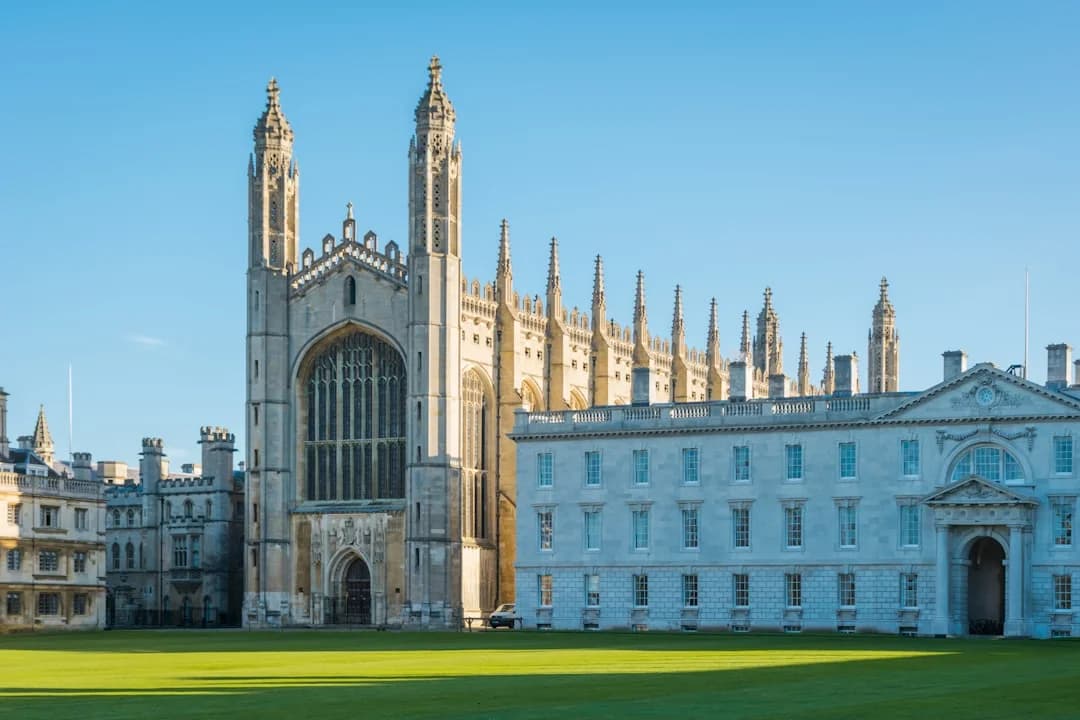
Photo by Tim Alex on Unsplash
Open Cambridge 2026 is shaping up as a landmark week for public access to Cambridge’s history, science, and culture. The University of Cambridge has confirmed that Open Cambridge 2026 will run from 11 to 20 September 2026, offering residents and visitors a structured, city-wide experience that blends tours, talks, exhibitions, and digital engagement. This year’s edition continues a decade-long tradition of opening doors to places that are often closed to the public, situating Cambridge within the broader Heritage Open Days framework. For readers of the Cambridge Review, the event represents more than a festival; it offers a data-informed lens on how universities partner with communities to amplify access to heritage, while also testing new digital formats that expand reach beyond physical venues. Open Cambridge 2026 is scheduled to publish its full programme on August 10, 2026, at 10 a.m., with bookings opening on the same day, signaling a clear, organized approach to visitor planning and attendance. (opencambridge.cam.ac.uk)
Open Cambridge is positioned as a community-focused celebration designed to illuminate Cambridge’s rich stories—spanning architecture, history, science, and local culture. The initiative is part of the national Heritage Open Days scheme, which aims to provide special access to places that are normally closed or would charge admission. In Cambridge, the organizers emphasize inclusivity and accessibility, noting that many colleges and museums in the programme host events with varied opening hours and charges, reinforcing the festival’s public-facing mission. This combination of tradition and accessibility aligns with broader trends in public engagement, where universities are increasingly measured not just by research output but by how effectively they connect with local communities through open, participatory experiences. (opencambridge.cam.ac.uk)
The Cambridge edition of Open Cambridge is run by the University of Cambridge Public Engagement team and is supported by the Cambridge BID, underscoring a public-private collaboration aimed at broad-based participation. This organizational structure is consistent with the festival’s overarching goal: to bring together town and gown through a curated series of live and digital events. In recent years, organizers have highlighted the value of both physical site access and digital experiences, allowing people to engage with Cambridge’s heritage even when they cannot be physically present. The combination of in-person tours, walks, films, talks, and digital offerings reflects a broader trend in cultural engagement that blends traditional field experiences with online access and on-demand content. Open Cambridge 2026 continues this trajectory, with the official programme set to be released on August 10, 2026, and bookings opening on the same day. (cam.ac.uk)
What’s more, Heritage Open Days, the nationwide festival that Open Cambridge participates in, reiterates the value of open access to history and culture. The national platform highlights that Heritage Open Days returns 11–20 September 2026, aligning with Cambridge’s local schedule and reinforcing the year’s emphasis on accessible heritage. For readers seeking context on the broader movement, the Heritage Open Days site provides a national frame for the Cambridge edition, including a focus on free or low-barrier access and a diverse slate of events across the country. This alignment is important for the Cambridge Review’s data-driven, neutral stance, as it situates Open Cambridge within a national pattern of public heritage engagement that can be analyzed in terms of accessibility, urban engagement, and cultural consumption. (heritageopendays.org.uk)
Section 1: What Happened
The Official Confirmation Open Cambridge 2026 was officially confirmed by the University of Cambridge as the city’s flagship public-engagement festival for heritage and culture. The press and the project pages emphasize that the ten-day program will unfold across September 11–20, 2026, bringing together a broad network of colleges, museums, archives, and cultural sites. The event is explicitly described as part of the Heritage Open Days scheme, designed to offer access to places that are normally closed to the public or would charge admission. This framing places Open Cambridge 2026 within a national context while preserving Cambridge’s distinctive local storytelling, making it a data-friendly case study in how universities coordinate cross-institution access for diverse audiences. (opencambridge.cam.ac.uk)
Timeline and Key Facts
- Dates: Open Cambridge 2026 is scheduled for 11–20 September 2026. This ten-day window mirrors the structure of similar heritage access initiatives and is consistent with Open Cambridge’s long-running model of extended, city-wide participation. (opencambridge.cam.ac.uk)
- Programme Publication and Booking: The official site states that the 2026 programme will be published on Monday, August 10, 2026, at 10:00 a.m., with bookings opening on the same day. This predictable timing supports planning for schools, researchers, and families, and it aligns with best practices in event management for large public-facing programs. (opencambridge.cam.ac.uk)
- Organizing Bodies and Partnerships: Open Cambridge is run by the University of Cambridge Public Engagement team and is supported by the Cambridge BID, highlighting a formal partnership structure intended to boost outreach, sponsorship, and operational capacity. This organizational detail underscores a data-driven approach to scale and coordinate a city-wide program with public-facing impact. (cam.ac.uk)
- Access Model: The event’s design centers on providing access to places that may be normally closed or have admission fees, reflecting a mission to democratize access to cultural and scientific spaces. The official materials reiterate that many participating colleges and museums offer variable opening hours and charges, which can be factored into planning and accessibility analytics for attendees. (opencambridge.cam.ac.uk)
Digital and Live Offerings
A notable feature of Open Cambridge’s evolving model is the inclusion of both live and digital experiences. The Cambridge University story coverage and the official page emphasize that the event features a mix of tours, walks, films, talks, and other activities, with digital components complementing in-person experiences. This hybrid approach aligns with contemporary trends in cultural engagement, where digital access expands reach and inclusivity while preserving the value of on-site experiences for local communities. The official site explicitly mentions live and digital formats as part of the Open Cambridge offering, signaling a data-driven interest in measuring engagement across modalities. (cam.ac.uk)
Programme Details and Next Steps
- Full Programme Availability: The Cambridge University story notes that the full programme will be available by August 16, signaling a phased communication plan that allows for pre-event anticipation and targeted outreach. The official Open Cambridge page, however, confirms the August 10 publication and booking start, underscoring a coordinated approach to information release. For readers tracking the rollout, these dates provide a concrete timeline to plan visits, school partnerships, and media engagement. (cam.ac.uk)
- What to Expect: Open Cambridge traditionally highlights a mix of historic buildings, urban walks, and themed themes tied to Cambridge’s local heritage. While the exact roster for 2026 will be published in August, prior years have showcased experiences ranging from architectural tours of college sites to archival talks and community history projects. The Heritage Open Days alignment suggests a wide venue network that can be mapped against transportation patterns, accessibility options, and weekend- or weekday-based attendance windows. (opencambridge.cam.ac.uk)
Section 2: Why It Matters
Cultural and Educational Impact
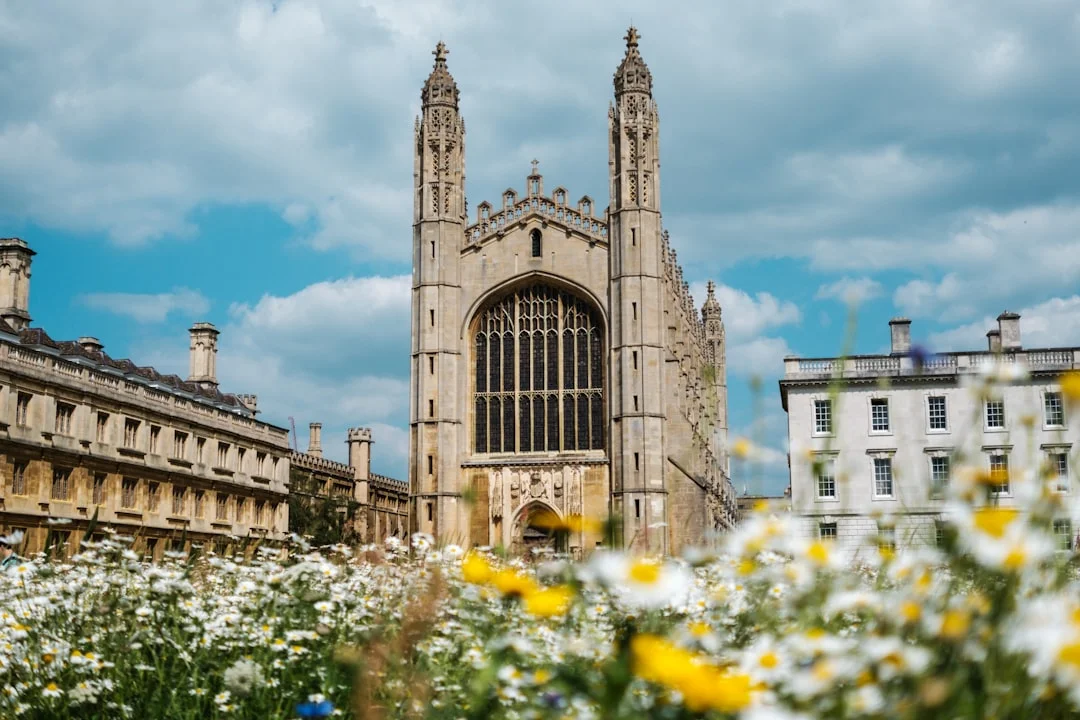
Open Cambridge 2026 represents more than a festival; it is a live case study in public engagement at the intersection of academia, heritage, and community. By opening doorways to colleges, museums, archives, and other historic spaces, the event creates an experiential learning environment for residents, students, and visitors. This aligns with a growing emphasis on place-based education and community co-creation, where organizations measure outcomes in terms of access, understanding of local history, and opportunities for lifelong learning. The Heritage Open Days framework reinforces the mission of making cultural assets accessible, while Cambridge-specific programming emphasizes the city’s unique stories—ranging from architecture to culinary heritage and scientific legacies. (opencambridge.cam.ac.uk)
Technology and Market Trends: How Digital Engagement Shapes Public Access
Open Cambridge 2026’s inclusion of live and digital formats reflects a broader trend in cultural institutions expanding their reach through technology. Digital engagements—such as online talks, virtual tours, and on-demand content—offer new pathways for audience growth, inclusivity, and data-driven assessment of public interest. The Cambridge University coverage notes the festival’s “live and digital events” mix, signaling a deliberate strategy to balance on-site experiences with online access. In the context of market trends, this hybrid approach mirrors ongoing investments by universities and cultural organizations to capture a broader, potentially global audience while still delivering tangible on-site experiences that leverage local infrastructure and volunteers. These dynamics open opportunities for analytics on attendance by modality, dwell time at virtual events, and the geographic diversity of participants—data points that Cambridge’s Public Engagement team is well positioned to collect and analyze within the Heritage Open Days framework. (cam.ac.uk)
Broader Context: Heritage, Tourism, and Urban Engagement
Cambridge’s Open Cambridge edition sits at the intersection of heritage tourism and urban cultural life. As cities increasingly rely on public-facing programs to stimulate local pride, educational outreach, and economic activity around museums, libraries, and historical sites, the Cambridge edition offers a microcosm of best practices in event design for public institutions. The national Heritage Open Days network provides a familiar standard for access and inclusivity, while Cambridge’s local partnerships—like the Cambridge BID—illustrate how urban stakeholders contribute to a scalable, well-resourced program. For policy-makers and researchers, Open Cambridge 2026 offers a dataset-rich environment to study the interplay between public access, venue capacity, event scheduling, and community feedback. (heritageopendays.org.uk)
Who It Affects
- Local Residents: The festival’s ten-day window invites residents to engage with their city’s history in new ways, often at no or low cost due to the heritage-access model. The program’s expansion into digital formats also lowers barriers for those who cannot attend in person. This aligns with inclusive access goals and helps gauge community appetite for partner-driven cultural programming. (opencambridge.cam.ac.uk)
- Students and Researchers: Open Cambridge provides opportunities for field trips, archival access, and dialogue with experts across departments and colleges. The collaboration with the Public Engagement team signals a structured platform for educational outreach and curricular enrichment. (cam.ac.uk)
- Cultural Venues and Institutions: For colleges, museums, and archives, participating in Open Cambridge 2026 can broaden audiences and diversify funding streams, while tests of digital engagement can inform future programming and sustainability planning within heritage sectors. The program’s emphasis on access and alignment with Heritage Open Days indicates a coordinated approach to audience development. (opencambridge.cam.ac.uk)
Section 3: What’s Next
Timeline and Next Steps
- August 10, 2026 at 10:00 a.m.: Programme publication and booking start. This is a critical milestone for organizers, venues, and potential attendees, providing a firm anchor for media coverage, school planning, and family scheduling. The official notice confirms this timing. (opencambridge.cam.ac.uk)
- August 16, 2026 (per Cambridge University coverage): The full programme is expected to be broadly available by mid-August, with ongoing updates and potentially new event listings as partnerships finalize logistics. While the official page pins the August 10 publication, the university story adds a mid-August milestone for public access to the complete lineup. Readers should monitor both sources for any last-minute changes. (cam.ac.uk)
- September 11–20, 2026: Open Cambridge’s ten-day program unfolds in Cambridge, presenting a mix of in-person experiences and digital offerings across participating venues. The ongoing engagement period will likely require coordination with transportation, accessibility services, and event volunteers to ensure smooth operations. (opencambridge.cam.ac.uk)
What to Watch For
- Venue Participation and Access Patterns: With the open access model, Cambridge’s colleges and museums will determine opening hours and any associated charges. Observers may analyze how access patterns shift year over year, and how participating venues balance capacity with the goal of broad public access. The official language about “opening hours and charges” highlights a variable but essential factor in attendance modeling. (opencambridge.cam.ac.uk)
- Digital Engagement Metrics: The event’s hybrid approach creates an opportunity to measure outcomes across channels. Watch for indicators such as online viewership of talks, virtual tours completion rates, and digital audience demographics. This aligns with broader data-driven practices in public engagement that seek to quantify reach, impact, and inclusivity. (cam.ac.uk)
- Heritage Open Days Collaboration: As part of a national framework, Open Cambridge 2026 will contribute to a broader assessment of how regional programs synergize with national heritage initiatives. Observers can compare Cambridge’s approach to other cities participating in Heritage Open Days to identify best practices and growth opportunities in public access to heritage sites. (heritageopendays.org.uk)
Closing
Open Cambridge 2026 promises to be a decisive moment for Cambridge’s public-facing heritage efforts, blending traditional, in-person engagement with modern digital access. The ten-day window—11 to 20 September 2026—offers a structured path for residents, students, and visitors to explore the city’s stories through a carefully curated mix of events. The publishing and booking timetable (August 10, 2026 at 10 a.m.) ensures a clear planning horizon for families, schools, and media alike, while the festival’s alignment with Heritage Open Days situates Cambridge within a national movement toward more inclusive access to culture and history. As Cambridge Review colleagues, we will continue to monitor how Open Cambridge 2026 performs against its stated aims of accessibility, education, and community connection, and we will report on emerging trends in how technology shapes the public’s relationship with heritage. For those seeking the latest updates, the official Open Cambridge site and the Heritage Open Days network will remain the primary sources for schedules, venue details, and accessibility information. (opencambridge.cam.ac.uk)

Notes for readers and researchers
- If you’re planning a visit, check the official Open Cambridge page for the most current venue list, opening hours, and any access requirements. The site explicitly describes Open Cambridge as a collaboration with the Cambridge BID and as part of Heritage Open Days, which emphasizes public access and inclusive programming. (opencambridge.cam.ac.uk)
- For a national frame on open-access heritage events, the Heritage Open Days homepage provides context on nationwide scheduling and themes for 2026, which can help in comparative analyses of regional and national engagement strategies. (heritageopendays.org.uk)
- The Cambridge University coverage of Open Cambridge highlights the blend of live and digital formats, reinforcing the expectation that 2026 will continue to innovate in audience reach while preserving the core mission of sharing Cambridge’s heritage with a broad public. (cam.ac.uk)