Munich Security Conference Starmer Western alliance Update

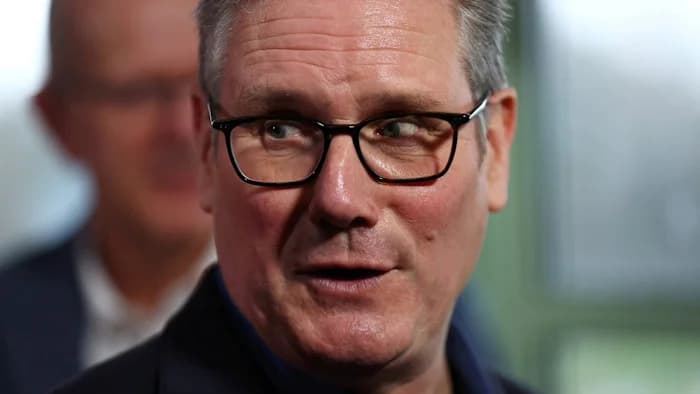
The Munich Security Conference this year served as a high-stakes laboratory for how the Western alliance may recalibrate its approach to security, technology, and industrial policy under Sir Keir Starmer’s leadership. In speeches and bilateral talks framed by rapidly evolving global threats, Starmer outlined a vision for a more autonomous European security architecture that still anchors itself in NATO and the transatlantic bond. The event drew attention not only for its policy proposals but for the signals it sent to technology and markets that closely track defense procurement, industrial cooperation, and cross-border innovation. The conference, staged in Munich, Germany, from February 14 to February 15, 2026, featured a mix of European leaders, U.S. figures, and defense policymakers who debated the future posture of the West in a world of intensifying great-power competition. The tone of Starmer’s remarks—calling for deeper European integration in defense procurement, a more unified European security framework, and greater burden-sharing—was read by observers as a signal of how the “Munich Security Conference Starmer Western alliance” dynamic may evolve in the coming years. (theguardian.com)
The context around Starmer’s appearance at the MSC is crucial for understanding its potential impact on technology strategy, defense industrial policy, and transatlantic cooperation. In addition to his keynote, Starmer participated in trilateral talks with German Chancellor Friedrich Merz and French President Emmanuel Macron, and he shared a platform with European Commission President Ursula von der Leyen. Those encounters underscored a coordinated push for Europe to assume greater responsibility for its own security while preserving the essential US-led framework of defense and intelligence cooperation. Von der Leyen described Starmer as an “unflinching ally and friend,” a remark that underscored the political symbolism of the moment as Europe seeks to "step up" its defense endeavors. The European side has repeatedly emphasized the need for practical reforms—streamlined procurement, reduced duplication, and stronger defense-industrial cohesion—to translate talk into tangible capabilities. (euronews.com)
Opening
In Munich on February 14, 2026, a pivotal moment unfolded for the Western alliance as Prime Minister Keir Starmer pressed Europe to accelerate its shift toward greater defense autonomy and more integrated, Europe‑centered security arrangements. Across a crowded hall of leaders and policymakers, Starmer argued that “there is no British security without Europe, and no European security without Britain,” a line that quickly traveled through media reports and social feeds as a central framing of the day’s discourse. He asserted that Europe must stand on its own two feet in defense—without severing the alliance with the United States, but by reducing overreliance and duplicative capacity in defense procurement and production. The message, repeated in bilateral sessions with Merz and Macron and echoed in remarks by von der Leyen, signaled a recalibration of the Western alliance’s governance architecture, potentially accelerating pathways for joint procurement, shared strategic research, and common defense industrial policy. The emphasis on burden-sharing and enhanced coordination resonated with a broader debate about Europe’s strategic autonomy in an era of American strategic pivots and geopolitical competition with Russia, China, and other state and non-state actors. (theguardian.com)
The event’s derivative headlines—ranging from calls for a European defense mechanism to the potential retooling of long-standing alliance dynamics—reflected a careful but urgent effort to align political rhetoric with practical action. Several outlets highlighted Starmer’s insistence on accelerating defense investment and his openness to open doors on new forms of European defense collaboration, including a renewed dialogue around Security Action for Europe and a broader European Defense Mechanism that could coordinate funding, procurement, and capability development across European democracies. Observers described the MSC as a stage where the UK, under Starmer, sought to redefine its defense posture as a bridge between the United States and a more autonomous Europe. While the United States remains a critical security partner, Starmer’s narrative sought to bolster Europe’s independent deterrence capabilities while preserving the existing multinational framework that has anchored European security since the end of World War II. (theguardian.com)
Section 1: What Happened
The Munich setting and the attendees
A historic backdrop for a recalibrated alliance
The 62nd Munich Security Conference, held in mid-February 2026, brought together roughly 50 world leaders and senior defense officials to address a rapidly shifting security order. The conference’s agenda revolved around Ukraine, Arctic security, China’s strategic posture, and the resilience of the Western alliance in an era of contested norms and deglobalization pressures. In this environment, Starmer’s appearance and remarks took on outsized significance because they mapped a path toward greater European autonomy in defense while reaffirming the centrality of NATO as a core security alliance. The event’s framing underscored a broader consensus among European leaders: Europe must be more self-reliant in defense, while acknowledging the enduring value of transatlantic cooperation. (euronews.com)
Key bilateral meetings and public exchanges
Starmer’s discussions during the MSC included trilateral talks with Friedrich Merz and Emmanuel Macron, and a high-profile bilateral with Ursula von der Leyen. The bilateral clearly signaled a coordinated approach to Europe’s defense posture, with both sides expressing a willingness to deepen defense collaboration and to explore institutional options that could facilitate joint procurement and cross-border technology development. Von der Leyen’s remarks framed Starmer as an ally in Europe’s broader security ambitions, while Merz and Macron reinforced the need for practical steps—such as reducing fragmentation in defense procurement and aligning industrial policy with strategic objectives. These exchanges reflected a deliberate effort to translate political commitments into actionable programs that can scale across multiple European partners. (theguardian.com)
Starmer’s core message: Europe’s own security architecture
The central message of Starmer’s MSC appearance was a call for a more autonomous European security framework that sits within—but does not supplant—NATO. He argued for “a vision of European security and greater European autonomy that does not herald U.S. withdrawal but answers the call for more burden-sharing in full, and remakes the ties that have served us so well.” In practical terms, this means rethinking how Europe buys and develops weapons, how it coordinates defense industrial policy, and how it aligns national defense strategies with a common European posture. The speech also stressed the importance of a stronger European defense industry, reduced duplication across member states, and more integrated industrial planning. Several outlets highlighted the proposed shift toward a European Defense Mechanism open to European democracies, a mechanism intended to unify financing and procurement to improve efficiency and interoperability. (theguardian.com)
The deployment signal: hard power and deterrence
One of the MSC’s most talked-about moments involved Starmer announcing or signaling a hard-power posture, including the deployment of a carrier strike group to the Arctic and High North. This move was described by Sky News as a demonstrable step to bolster Europe’s deterrence capabilities in response to Russian threats in the region. Other outlets echoed the sentiment, noting that Starmer was signaling that Europe must be ready to act and that defense investments would translate into credible power projection. While the specifics of force posture can evolve, the message—“we must build our hard power, because that is the currency of the age”—was widely reported and interpreted as a tangible manifestation of the MSC’s broader autarkic defense narrative. (news.sky.com)
The broader policy menu: Security Action for Europe and the European Defence Mechanism
Starmer’s remarks placed particular emphasis on streamlining defense procurement and closing gaps within Europe’s defense industrial base. Observers described him as advocating for more integrated European procurement and for a reimagined approach to defense collaboration—one that reduces redundancy and leverages the continent’s combined purchasing power. The MSC discussions also touched on the feasibility and desirability of joining or adapting the EU’s Security Action for Europe (SAFE) framework, with some reporting indicating openness to participating in a Europe-wide rearmament initiative that could unlock new financing and cross-border collaboration opportunities. While the precise configurations remain under negotiation, the direction was clear: European defense policy needs to move from fragmented nationalism toward a more cohesive, strategic approach. (theguardian.com)
The timing and cadence of events
From opening remarks to side meetings

The MSC concluded with a cadence of high-profile speeches, side meetings, and joint statements designed to signal a collective re-engagement with Europe’s defense ambitions. Merz’s opening remarks, Macron’s diplomacy on nuclear deterrence, and von der Leyen’s reinforcement of European strategic autonomy set the stage for Starmer’s address and subsequent conversations. The post-MSC chatter focused on how quickly these proposals could be translated into concrete reforms—whether through expedited defense spending, new procurement frameworks, or the establishment of more robust European defense-industrial partnerships. The consensus in coverage across outlets highlighted that the conference was as much about signaling as it was about policy specifics, with the real test lying in how quickly domestic and European institutions implement agreed-upon reforms. (theguardian.com)
What was said and what it meant for tech and market stakeholders
Procurement, interoperability, and supply chains
Starmer’s emphasis on defense procurement reform has direct implications for technology and market dynamics. A more integrated European defense procurement process could alter demand signals for defense and dual-use technologies, affecting suppliers across sectors—from advanced materials and AI-enabled sensing to cyber defense platforms. Analysts and industry observers will be watching how decisions about joint procurement, standardization, and cross-border funding translate into commercial opportunities for European and international defense contractors. The MSC’s policy framing—focusing on interoperability, reduced duplication, and scale—points toward a more cohesive market for defense technology across Europe. (theguardian.com)
Strategic autonomy and the tech value chain
A central economics-driven dimension of Starmer’s MSC messaging is the call for Europe to assume a larger share of its own defense capabilities, potentially reshaping the global value chain for security-related technologies. If Europe accelerates its strategic autonomy, we could see more regionalized production, new local supply networks, and increased reliance on European suppliers for critical systems. This would have implications for global tech vendors, cross-border R&D partnerships, and investment strategies in defense technology. Analysts will be parsing how these shifts interact with ongoing U.S.-EU tech and defense cooperation, and whether Europe’s autonomy remains complementary to, or in tension with, NATO and allied structures. (euronews.com)
Market expectations and investor sentiment
Market participants typically react to high-stakes defense policy signals, especially around procurement reform, defense budgets, and alliance cohesion. The MSC’s tenor—emphasizing Europe’s readiness to invest and coordinate—could bolster expectations for stronger defense-related capex, particularly in industries tied to next-generation weapons, cyber security, intelligence, and defense-industrial collaboration. While precise market moves depend on many variables, the narrative of a more integrated European security framework frequently aligns with cautious optimism among investors about longer-term demand for defense and dual-use technologies. Analysts will likely track official budgetary milestones and procurement policy updates in the months ahead to calibrate portfolios and project timelines. (euronews.com)
Section 2: Why It Matters
Impact on UK-EU relations and NATO
A rebalanced security architecture

Starmer’s MSC remarks come at a moment when the UK seeks a delicate balance between deepening European defense ties and maintaining a robust transatlantic partnership. By stressing Europe’s autonomy and urging closer defense collaboration, Starmer signaled a UK role as a bridge-builder—pushing for stronger UK-EU defense cooperation without severing NATO commitments or the Atlantic security framework. The practical implication is a potential acceleration of talks around defense procurement harmonization, joint research initiatives, and shared industrial policy, all of which could affect European defense markets and the broader Atlantic security architecture. Observers described the UK’s posture as deliberately constructive, aiming to reassure European partners that Britain remains a reliable security partner even as it pursues a more integrated regional defense posture. (theguardian.com)
NATO and burden-sharing dynamics
The MSC’s focus on burden-sharing and European autonomy intersects with ongoing debates within NATO about how the alliance allocates responsibility for deterrence and defense spending. Starmer’s comments reinforce a narrative that Europe should contribute more to defense capabilities and procurement, reducing overreliance on American assets while preserving the alliance’s core complementary functions. This is particularly salient given the broader geopolitical environment, including Russia’s ongoing aggression and the strategic calculus around Arctic security, cyber threats, and the pace of modernization across member states. As with prior MSC iterations, what happens next will depend on concrete policy moves—budget decisions, procurement reform, and cross-border collaboration—that translate rhetoric into interoperable capabilities. (euronews.com)
Broader context: technology, markets, and policy
Defining Europe’s tech-enabled defense posture
Starmer’s MSC appearance signals more than a military budgeting debate. It cues a broader alignment between defense policy and technological innovation, with implications for AI-enabled defense systems, cyber resilience, sensor networks, and space-enabled capabilities. The emphasis on integrated procurement and defense-industrial policy creates opportunities for European tech firms to participate in large-scale, multi-country programs, while also inviting scrutiny of supply chains, security standards, and export controls. The MSC discussions around European Defense Mechanisms and cross-border funding could unlock new collaborative frameworks, encouraging private-sector investment in defense tech that emphasizes interoperability and standardization. (euronews.com)
The geopolitical signal to global markets
The MSC’s messaging—strengthened European autonomy, reinforced NATO ties, and a clearer path to more unified defense procurement—signals a potential rebalancing of global supply chains, R&D funding, and regional competitive dynamics. Markets are sensitive to shifts in defense demand, technology licensing, and regulatory alignment that accompany new defense industrial arrangements. While the exact financial impact depends on policy detail and implementation speed, the方向 is toward a more integrated European defense market, with positive implications for companies positioned to deliver cross-border, interoperable technology solutions and negative implications for firms reliant on highly fragmented procurement regimes. (theguardian.com)
Who is affected?
Governments and defense ministries
European governments, including the UK, Germany, France, and others, stand to be directly affected by any reforms to defense procurement, industrial policy, and cross-border funding. The MSC context suggests continued emphasis on coordinated investment, shared R&D programs, and a more centralized approach to capability development. This could change how member states justify budgets, stage procurement programs, and evaluate technology partnerships, with implications for domestic industry ecosystems and national sovereignty over defense assets. (theguardian.com)
Defense contractors and technology companies
Defense prime contractors, component suppliers, and tech developers should monitor for signals regarding new collaboration frameworks, standardized procurement processes, and cross-border project pipelines. A more integrated European defense market could reduce duplication, accelerate time-to-market for new capabilities, and create scale economies that alter competitive dynamics across continental and global players. Companies with strong position in AI-enabled surveillance, cyber defense, autonomous systems, and sensor suites are likely to be especially attentive to MSC-driven policy adjustments. (euronews.com)
Investors and analysts
Investors watching defense and security-related equities will be listening for budget plans, procurement reforms, and cross-border partnerships that could influence revenue streams and program pipelines. There is potential for a re-pricing of risk across defense-oriented sectors, with particular emphasis on suppliers able to participate in multi-country programs and those delivering interoperable, standards-ready systems. However, the path from policy signals to firm-level impact remains contingent on formal policy steps and budget authorizations, so investors will require ongoing updates from governments and agencies. (theguardian.com)
Section 3: What’s Next
Timeline and next steps
Short term (months ahead)
- Finalize and publish detailed guidance on defense procurement reforms and the European Defense Mechanism. Expect ministerial briefings and parliamentary committee discussions across European capitals, with a focus on interoperability standards and cost-sharing mechanisms. This will likely include a timetable for pilots and initial joint procurements that test the new framework’s viability. (euronews.com)
- Continue high-level diplomatic engagements with the UK and EU partners, including potential follow-up meetings at the UK-EU summit and in other multilateral forums. Starmer’s MSC remarks are expected to shape dialogue on closer integration without compromising alliance commitments. (theguardian.com)
- Debates over Europe’s defense investments and the United States’ role will persist in public and parliamentary settings, with ongoing coverage of spending trajectories and policy adaptations. The press has already flagged the UK’s defense budget as a live policy area in the wake of Starmer’s MSC address. (independent.co.uk)
Medium term (6–18 months)
- Implementation of cross-border defense procurement pilots and joint industrial projects that align with the European Defense Mechanism concept. If pilots succeed, they could scale into larger programs with solid multi-country buy-in, potentially affecting supplier selections and contract awards for next-generation systems. (euronews.com)
- Deeper work on burden-sharing arrangements within NATO and Europe’s defense ecosystem, including potential expansion of European Sovereign defense projects and collaboration on advanced technologies such as AI-enabled targeting, cyber defense, and space-based capabilities. Public statements from leaders and policy papers from think tanks could guide this process. (euronews.com)
Longer term (18–36 months)
- A more formalized European defense architecture that integrates procurement, research and development, and capability development across multiple European democracies. If realized, this could redefine the balance of defense sovereignty and transatlantic cooperation, with long-term implications for global tech supply chains and security alliances. The MSC discussions signal that the path toward this outcome will be data-driven, with measurable milestones and accountability mechanisms. (theguardian.com)
What to watch for: concrete indicators
- Budget announcements and procurement reforms tied to European defense integration. Look for official policy papers or white papers detailing new frameworks and funding streams. (euronews.com)

- Public statements from UK and EU leaders on joint defense programs and bilateral arrangements, particularly around the Security Action for Europe or its successor mechanisms. (theguardian.com)
- Progress on interoperability standards and pilots for cross-border defense procurement, including timelines for pilot deployments, supplier consortia, and regulatory alignment. (euronews.com)
- NATO-related policy updates that reflect a renewed emphasis on burden-sharing and European autonomy without compromising alliance cohesion. (theguardian.com)
Closing
The Munich Security Conference once again functioned as a crucible for debates about Europe’s role in global security and how the Western alliance will evolve in a multipolar era. Starmer’s MSC appearance placed a spotlight on a path toward greater European defense autonomy—a trajectory that could reshape defense procurement, industrial policy, and cross-border collaboration across Europe. The convergence of UK leadership with European and transatlantic partners at the conference underscores a shared recognition: strategic challenges demand coordinated, capable, and resilient responses. As policymakers translate rhetoric into policy, technology and market players will be watching for the concrete steps, funding commitments, and governance reforms that will determine how quickly and effectively Europe can stand on its own two feet in defense while staying tightly integrated with global security architectures. Updates will be forthcoming as governments release details and as pilots move from concept to contract. For readers focused on technology and markets, these developments will redefine demand signals, supply chain resilience, and the competitive landscape in European defense tech.
To stay updated, monitor official government releases, the MSC’s post-conference briefings, and trusted coverage from major outlets that translate policy into practical implications for technology and markets. The Cambridge Review will continue to provide neutral, data-driven analysis of how the Munich Security Conference Starmer Western alliance evolves and what it means for global tech policy, defense procurement, and the broader market environment.
"There is no British security without Europe, and no European security without Britain." — Keir Starmer, Munich Security Conference, February 14, 2026. (theguardian.com)