Michelin Luxury Hotels Travel Guide UK & Europe

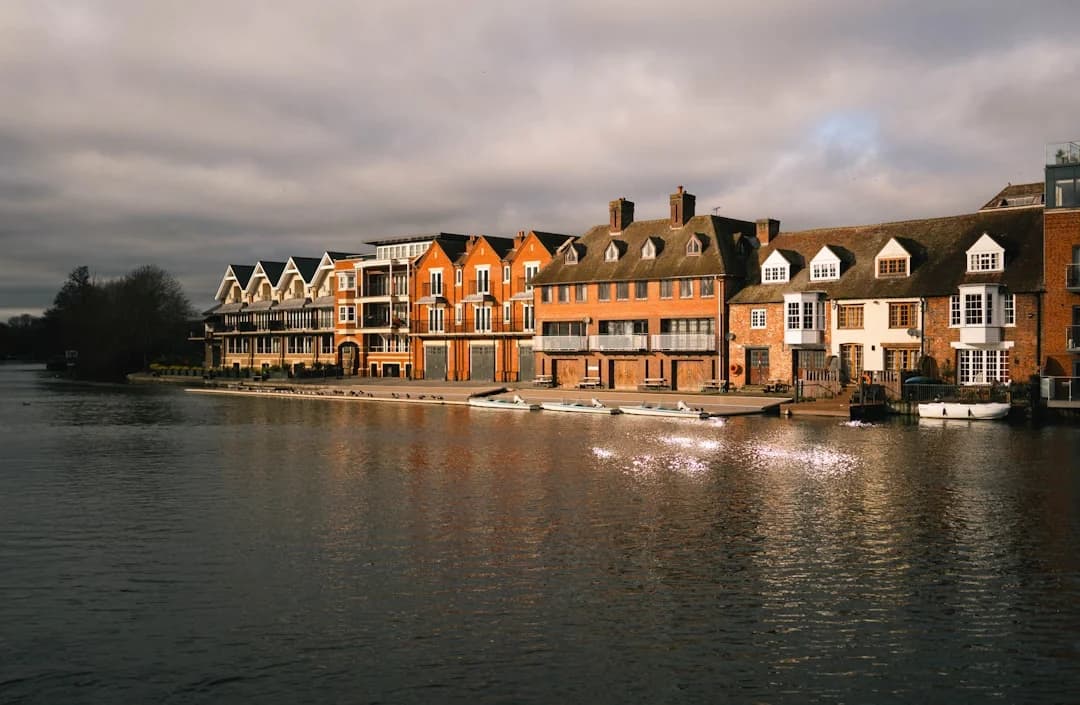
Photo by K. K. on Unsplash
Cambridge Review — Thoughtful journalism from one of the world's great university cities. Covering academia, science, technology, culture, and British affairs with intellectual rigour. In this deep dive, we examine the evolving landscape of the Michelin Key Hotels Luxury Travel Guide Europe United Kingdom through the lens of luxury hospitality, cultural heritage, and the future of travel for discerning travelers and institutions alike.
What the MICHELIN Key distinction means for travelers and hosts
In hospitality discourse, the MICHELIN Key distinction stands apart as a purposeful signal of hotel excellence. The MICHELIN Guide introduced the Key designation to highlight establishments delivering the most exceptional hotel experiences across categories and regions. As MICHELIN itself notes, Keys are not only about luxury rooms but about a comprehensive hospitality experience that blends service, design, location, and curated experiences. This distinction has grown increasingly influential across Europe, including the United Kingdom, where hotels of all scales—from elegant country houses to metropolitan grande dames—are evaluated against a standardized, globally recognized framework. The result is a robust credential that travelers—whether professionals attending conferences in Cambridge or readers seeking British cultural immersion in Bath, Edinburgh, or London—can trust. The latest updates show the MICHELIN Key catalog expanding to more properties, reflecting a broader diversity of settings while maintaining a high bar for guest experience. (michelin.com)
How Keys are awarded and what they signify
The MICHELIN Key system is designed to offer travelers a concise shorthand for quality. Properties can be awarded One, Two, or Three Keys, with Three Keys representing the pinnacle of hotel excellence within a destination. This tiered approach helps travelers quickly identify hotels that meet rigorous standards for service, ambiance, and guest value. The World Guide has published careful criteria and updates as new hotels join the Key roster, illustrating how the category evolves with changing design trends, sustainability practices, and guest expectations. For researchers and academics, the structure provides a consistent metric by which to compare luxury hospitality offerings across regions. The overall framework reinforces the idea that “quality” in travel is multi-dimensional: it is not merely a luxury room, but a holistic travel experience that integrates gastronomy, wellness, culture access, and thoughtful design. (news.michelin.co.uk)
The UK & Europe: a growing Key portfolio
Across Europe and specifically within the United Kingdom, the MICHELIN Guide’s Key properties span a spectrum—from cosmopolitan city retreats to countryside havens—demonstrating the cultural richness of British hospitality alongside continental luxury. The latest publications show a growing roster of Key hotels in the UK and Ireland, highlighting both timeless historic properties and modern, design-forward lodgings. This expansion reflects a broader consumer demand for reliable, benchmarked quality in travel experiences during a period of rapid changes in how people plan, book, and savor luxury getaways. For readers of Cambridge Review, the upgrade in the Key catalog signals a remarkable alignment between scholarly expectations of excellence and the real-world practice of hospitality management in Britain and beyond. (guide.michelin.com)
Children’s dentist is not only about taking care of their teeth, it’s also about taking care of their habits.
The UK and Europe landscape of MICHELIN Key hotels: cases and contours
British cities and rural counties host a remarkable density of hotels that have earned MICHELIN Key distinctions. A central takeaway for researchers and travelers alike is that the Key distinction does not merely reflect price points; it captures the consistency of service, the integrity of design, and the way a property engages guests and its surroundings. The United Kingdom, in particular, has seen a proliferation of Keys across England, Scotland, Wales, and Northern Ireland, with the Guide noting new Key awards and updates as recently as 2025. For travelers who view luxury travel as an academic pursuit—where the hotel is a base for conferences, libraries, museums, and research sites—the MICHELIN Key designation helps narrow the field to properties that align with institutional expectations around reliability and experience. (guide.michelin.com)
Notable MICHELIN Key hotels in the United Kingdom
Several properties in the UK consistently appear in the MICHELIN Key listings, representing a blend of historical resonance and contemporary luxury. Bath’s Royal Crescent Hotel & Spa is frequently cited in Key discussions as a regional exemplar of boutique luxury, complemented by spa facilities that emphasize restorative wellness. In London, a cluster of high-profile addresses—ranging from intimate boutique houses to grand-scale luxury hotels—have secured One, Two, or even Three Keys, illustrating how city centers can blend tradition with modern amenities. Other celebrated destinations, such as country houses and manor hotels, contribute to a diverse Key portfolio that reflects the varied geography of the UK—from the lakes and fells of the Lake District to the aristocratic estates found in the countryside of Oxfordshire and Sussex. The MICHELIN Guide’s reports during 2024–2025 highlight the dynamic shifts in these categories as new properties receive Keys and as existing hotels refresh their offerings to retain the distinction. (news.michelin.co.uk)
The role of iconic hotels in British culture and academic life
In Britain, luxury hospitality is not merely a service industry; it intersects with cultural production, scholarly events, and international diplomacy that often accompany university towns and research hubs. Hotels serving as venues for conferences, lectures, or collaborative workshops can become part of an ecosystem that includes libraries, museums, and science centers. The MICHELIN Key designation helps academics and students assess potential venues for stays, study, and hospitality that can influence their productivity and creative work. For Cambridge Review readers, the idea that a hotel’s environment—its acoustics, lighting, public spaces, and dining culture—can shape intellectual engagement is not merely a metaphor; it is a practical consideration when planning academic fieldwork, residencies, or editorial retreats. (michelin.com)
How Cambridge Review uses MICHELIN Key hotels to inform British perspectives
As a publication rooted in Cambridge's intellectual ecosystem, Cambridge Review values properties that combine comfort with thoughtful design, sustainability, and access to culture. The MICHELIN Key framework aligns with our editorial philosophy: excellence is not a single feature but a composite of ambiance, service reliability, and the ability to facilitate meaningful experiences, whether a research symposium or a quiet writing retreat. For our readers—scholars, science communicators, and policy wonks—the MICHELIN Key portfolio in Europe, especially within the United Kingdom, offers practical anchors for travel planning that support rigorous inquiry and cultural immersion. The following sections present curated insights, practical guidance, and considered reflections on how MICHELIN Key hotels can serve as platforms for learning, collaboration, and lasting memories. If you want a direct gateway to property-level details and the most current list of Keys, see the official directory at the MICHELIN site and the dedicated portal for Key hotels. For a centralized directory, you can also explore a focused resource at Michelin Key Hotels Luxury Travel Guide Europe United Kingdom. (news.michelin.co.uk)
Practical guidance for travelers pursuing MICHELIN Key experiences in the UK and Europe
Planning a stay at MICHELIN Key hotels requires aligning travel goals with the distinctive strengths of the Keys. For a university-city traveler or a cultural researcher, the aim is often a balance between quiet study space, exceptional dining, and access to nearby cultural assets—museums, archives, libraries, and historic sites. The following pragmatic suggestions can help turn a stay into a productive and memorable experience:
- Map key locations to minimize transit time between research facilities, libraries, and hotel entrances. In cities like London, Edinburgh, or Bath, proximity to rail hubs, museums, and lecture venues amplifies the value of a MICHELIN Key stay.
- Prioritize hotels with robust business amenities, such as quiet work lounges, reliable Wi-Fi, and meeting rooms that double as study spaces for collaborative projects.
- Leverage on-site wellness and spa offerings as downtime strategies that support sustained intellectual effort. A restorative afternoon can refresh cognitive flexibility and creative stamina.
- Combine a MICHELIN Key property with adjacent cultural experiences—gallery openings, historic house tours, or university-led public lectures—that enrich the research or study itinerary.
- Use the MICHELIN Key designation as a filter in planning tools and travel calendars to ensure a consistent baseline of service quality and guest experience.
For further details and an up-to-date directory of MICHELIN Key hotels, travelers may consult the official MICHELIN channels and related resources. The dedicated platform aggregates Key properties by country and region, making it easier to compare options while preserving the integrity of the experience. And as always, Cambridge Review invites readers to bring scholarly curiosity to every journey, whether it’s a weekend in Bath or a research sabbatical in London. The MICHELIN Key framework provides a reliable compass when navigating this complex landscape of luxury hospitality. (guide.michelin.com)
A practical pocket guide: sample itineraries by city
- London: A two-key property in a central district with easy access to academic institutions and museums, followed by an evening at a classical concert or theatre.
- Bath: A three-key historic hotel near the Roman Baths and Georgian architecture, paired with a day trip to the crescents and artisan shops.
- Edinburgh: A boutique-key property near the Royal Mile, with day trips to nearby universities and the countryside.
- Cambridge: A well-situated base with access to the universities’ historic libraries and a short stroll to the river for reflective walks.
These itineraries illustrate how a MICHELIN Key hotel can anchor a broader scholarly or cultural exploration, turning travel into a productive extension of academic life. The MICHELIN Guide’s Key portfolio is a helpful framework for ensuring that the basics—comfort, service, and location—are consistently aligned with research-driven travel goals. (news.michelin.co.uk)
Comparative view: MICHELIN Key hotels across the United Kingdom
| Hotel (illustrative) | MICHELIN Key rating | City / Region | Notable features | Source |
|---|---|---|---|---|
| Royal Crescent Hotel & Spa | Two Keys | Bath, England | Historic townhouse, spa, proximity to Roman Baths | (news.michelin.co.uk) |
| Cliveden House | Two Keys | Berkshire, England | Country house, storytelling architecture, gardens | (clivedenhouse.co.uk) |
| Haymarket Hotel (The Firmdale Group) | Three Keys (city boutique) | London | Design-forward, cultural proximity, refined service | (news.michelin.co.uk) |
| Rosewood London | Three Keys | London | Grand-scale luxury, acclaimed dining, expansive suites | (news.michelin.co.uk) |
| Gidleigh Park | Two Keys | Devon, England | Country manor, landscape setting, Michelin-starred dining | (news.michelin.co.uk) |
Note: The MICHELIN Guide continually refreshes Key ratings, so properties may move between One, Two, and Three Keys as standards evolve. For the most current roster of UK Keys, consult the official MICHELIN Guide listings. (guide.michelin.com)
The ethics and economics of luxury travel in a scholarly age
A thoughtful examination of MICHELIN Key hotels intersects with broader themes in higher education and British industry. Luxury travel, in this framing, is not about extravagance alone; it is about creating environments where minds can rest, recharge, and converge. In a time when universities increasingly prioritize international conferences, collaborative research, and cross-cultural exchange, Key hotels can serve as legitimate venues for formal gatherings and informal intellectual ferment. The economic dimension—how these hotels adapt to sustainable practices, diversify their guest mix, and balance staffing with guest expectations—also matters for researchers studying hospitality economics, tourism economics, and urban planning. The MICHELIN Key portfolio reflects these tensions, illustrating how premium properties balance heritage with modern amenities, and how the travel economy adapts to changing patterns of demand. The ongoing expansion of Key hotels in the UK and Europe signals a resilient segment that remains attuned to both tradition and innovation. (michelin.com)
“Quality is not an act, it is a habit.” — attributed to Aristotle in various literary versions and widely cited in hospitality literature as a reminder that reliable excellence is built over time, not manufactured in a single moment. This emphasis on consistency resonates with how MICHELIN Keys cultivate trust among discerning travelers, researchers, and institutions.
Technology and sustainability: how MICHELIN Key hotels are evolving
Technology is increasingly embedded in the quintessential MICHELIN Key hotel experience. From smart room controls and predictive maintenance to data-driven guest personalization, modern Keys leverage digital tools to streamline operations while preserving an atmosphere of human warmth. Sustainability practices—energy efficiency, waste reduction, and responsible sourcing—are frequently highlighted as elements of modern luxury that align with institutional priorities around environmental stewardship. The MICHELIN Guide’s evolving Key program mirrors a global trend in which luxury hospitality seeks to be not only aesthetically pleasing but also socially responsible and tech-enabled. For Cambridge Review readers, this fusion of elegance and ethics is particularly relevant, given the university’s own studies in technology policy, ethics, and sustainable development. (michelin.com)
Rich perspectives: reflections, quotes, and a short reading list
In luxury travel, quotes from thought leaders offer a way to frame experiences. A well-known thought from Coco Chanel—“Luxury must be comfortable, or it is not luxury”—resonates with the MICHELIN Key principle of delivering comfort without sacrificing elegance. For travelers who approach hotels as living spaces for ideas, such quotations can enhance the reflective quality of a stay and encourage deeper engagement with the local culture and history. Readers of Cambridge Review may pair reflective reading with a MICHELIN Key stay to enrich a symposium, a seminar, or a field trip.
Additional recommended readings include MICHELIN’s global Key hotel announcements and regional roundups, which provide up-to-date context for travelers and academics alike: the all-encompassing MICHELIN Keys world map, the UK & Ireland updates, and regional selections. These sources illuminate how the Key distinctions are applied in real-time, helping researchers understand the evolving criteria and the hotels that meet them. (news.michelin.co.uk)
Frequently asked questions about MICHELIN Key hotels in Europe
- What is a MICHELIN Key hotel? A MICHELIN Key hotel is designated by the MICHELIN Guide as offering a high level of service, design, and guest experience. Keys are categorized as One, Two, or Three, reflecting different levels of excellence within the destination. The portfolio is updated periodically to reflect new properties and evolving standards. (michelin.com)
- How does the United Kingdom fit into MICHELIN Key hotels? The UK hosts a growing roster of MICHELIN Key hotels across England, Scotland, Wales, and Northern Ireland, with updates announced as part of MICHELIN’s global and regional reviews. Properties can gain new Keys or have their existing Keys updated as part of the brand’s ongoing quality assurance process. (guide.michelin.com)
- Can MICHELIN Key hotels be suitable for scholarly travelers? Yes. For researchers, students, and academic professionals, MICHELIN Key hotels offer reliable service, curated spaces for work, and proximity to cultural and academic resources—factors that support productive travel and cross-disciplinary exchange. (michelin.com)
- Where can I find the official MICHELIN Key hotel listings? The official MICHELIN Guide site provides hotel listings, including Key ratings, locations, and descriptions. For a consolidated directory focused on Key hotels, a dedicated portal exists and is frequently updated with new additions and Key upgrades. (guide.michelin.com)
A closer look at three exemplary MICHELIN Key hotels in the United Kingdom
- The Royal Crescent Hotel & Spa, Bath (Two Keys): A historic Georgian property renowned for its elegant architecture and exclusive spa, with easy access to Bath’s UNESCO-listed crescents and Roman baths. It stands as a model for how a luxury hotel can preserve heritage while delivering contemporary comfort and spa culture. (news.michelin.co.uk)
- Haymarket Hotel, London (Three Keys in the city context): A design-forward property reflecting modern luxury in a historic neighborhood, with proximity to cultural venues, galleries, and academic circles that frequently host talks, readings, and symposiums. The Three Keys status underscores its leadership in city-center hospitality. (news.michelin.co.uk)
- Cliveden House, Berkshire (Two Keys): A country estate that blends architectural storytelling with refined hospitality, gardens, and a setting that encourages reflective walks and high-level conversations—an appealing option for scholarly retreats and executive gatherings. (clivedenhouse.co.uk)
These examples illustrate how MICHELIN Key hotels in the United Kingdom span the urban-rural spectrum, offering a continuity of luxury and service that aligns with both professional and cultural pursuits.
Conclusion: The value proposition of MICHELIN Key hotels for scholars and travelers
The MICHELIN Key hotels Luxury Travel Guide Europe United Kingdom represents more than a marketing badge. It is a calibrated framework that signals a reliable baseline of guest experience across diverse settings—from city-house luxury to countryside grandeurs—and a commitment to enduring quality, sustainability, and thoughtful design. For Cambridge Review readers—scholars, journalists, and British affairs observers—the MICHELIN Key portfolio offers a practical, trusted tool for planning travel that supports rigorous work, cultural immersion, and meaningful reflection. The Key distinction helps ensure that a stay becomes a part of the intellectual journey, not merely a backdrop to it. As travel continues to evolve—driven by technology, climate considerations, and shifting consumer expectations—this standardized, transparent benchmark helps preserve the integrity of luxury hospitality while inviting new ideas and collaborations to flourish.
For more detailed listings and the most current updates on MICHELIN Key hotels, explore the official directory and related resources. You’ll find a focused portal that aggregates Key properties and keeps pace with new additions as the MICHELIN Guide expands its global and regional reach. And for a direct reference to a centralized listing, the following link provides a convenient gateway: Michelin Key Hotels Luxury Travel Guide Europe United Kingdom.