Living Water: Poetry, Art and the Fight for Clean Rivers
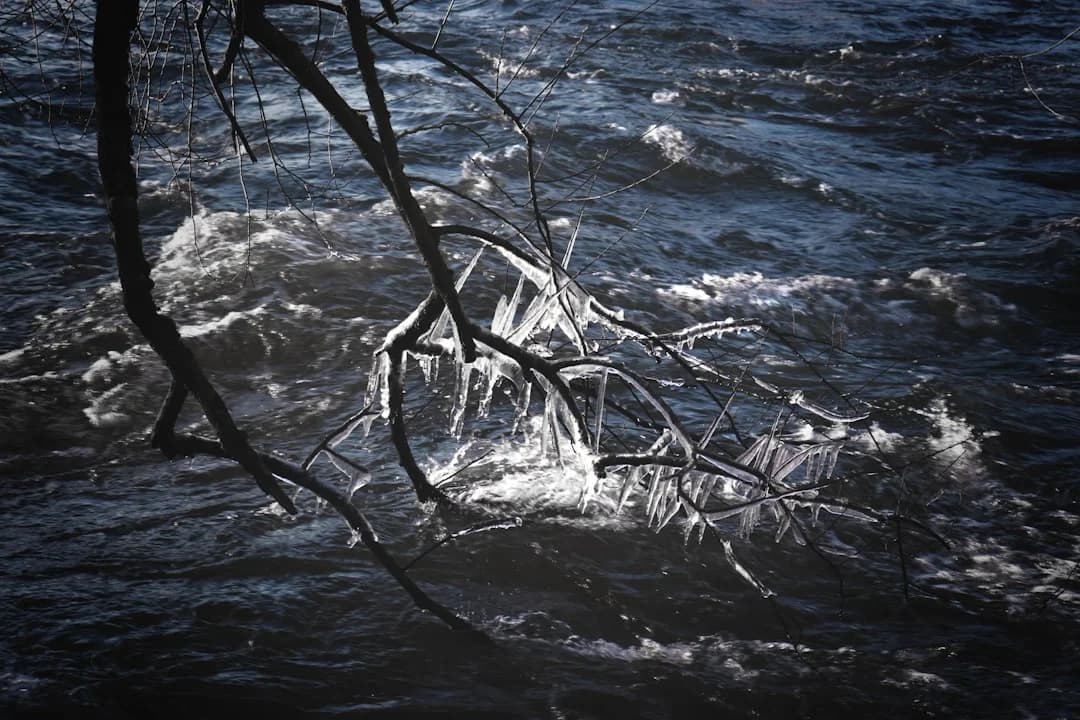
Photo by fotokomplizin on Unsplash
The Cambridge University Library is unveiling a landmark exhibition this spring that marries poetry, visual art, and environmental advocacy under the banner Living Water: Poetry, Art and the Fight for Clean Rivers. The show, scheduled to open in March 2026, positions river health as a cultural and scientific issue, inviting visitors to explore how writers and artists have chronicled pollution, water policy, and community action over several decades. The project is a collaborative effort with Pembroke College, Cambridge, and its programming is designed to engage diverse audiences—from researchers and policymakers to local communities and students—through a curated archive of letters, manuscripts, and contemporary artworks. This announcement follows a period of intensive preparatory work by Cambridge University Library’s curatorial team and partner institutions, with the goal of linking cultural practice to the urgent environmental health challenges facing rivers across the British Isles and beyond. (lib.cam.ac.uk)
As the opening approaches, Cambridge University Library has announced a robust events lineup intended to sustain public engagement beyond the gallery walls. The exhibition’s formal public opening is set for March 19, 2026, in a ceremony that underscores the Library’s role as a civic hub for discourse on water, art, and science. The event is free and open to all, with advance booking required, marking a rare opportunity for a city library to host a cross-disciplinary cultural intervention focused on living rivers and their health. In addition to the March opening, a calendar of talks, poetry workshops, and multi-media programs is planned through the festival season, with a blend of in-person and livestreamed formats to reach broader audiences. This marks a clear continuity with Cambridge Festival programming and signals the Library’s commitment to accessible, evidence-based cultural programming that speaks to contemporary policy and public health concerns. (lib.cam.ac.uk)
Opening paragraphs are just the start. This report provides a data-driven overview of what happened, why it matters, and what comes next, with a focus on concrete dates, named participants, and measurable program elements. The Living Water initiative invites readers to see how literature and visual art can illuminate environmental data and vice versa, a synergy that Cambridge University Library describes as essential to understanding river health as a living system rather than a mere statistic. The archival core includes connections between Barrie Cooke, Seamus Heaney, Ted Hughes, and John Montague—figures whose exchanges and collaborations illuminate the cultural lifeworld around rivers—while contemporary artists such as Susan Derges bring riverine imagery into the public space. The project’s scope extends from archival discovery to new commissions and public programs, reflecting a deliberate effort to contextualize pollution within historical and cultural narratives. (lib.cam.ac.uk)
What Happened
Announcement and framing of Living Water In December 2025, Cambridge University Library signaled a transformative year ahead with the announcement of Living Water: Poetry, Art and the Fight for Clean Rivers as its centerpiece exhibition for 2026. The Library described the show as a synthesis of art, poetry, and environmental stewardship, designed to explore the relationship between land, water, and culture across five decades. The announcement positioned the exhibition as a hinge point for ongoing discussions about river health, pollution, and public responsibility, linking literary and visual culture to the urgent scientific and policy questions surrounding freshwater ecosystems. The project is described as a collaboration between Cambridge University Library and Pembroke College, Cambridge, reflecting a shared commitment to interdisciplinary inquiry and public access to heritage material that bears on today’s environmental challenges. (lib.cam.ac.uk)
Exhibition scope, content, and archival core Living Water collects letters, manuscripts, and artworks that illuminate the dialogue among poets and artists who engaged with rivers as both source of inspiration and barometer of ecological decline. The curatorial narrative documents how rivers across Britain and Ireland became touchpoints for debates over water quality, industrial pollution, and policy responses. The show not only presents historical material but situates it within a contemporary frame: how modern audiences can interpret archival material through the lens of current river-health data and environmental journalism. Key figures associated with the show include Barrie Cooke, whose stark expressions and public statements about “living water” frame the ethical stakes of river degradation, and a roster of poets whose collaborations and correspondences reveal a culture of river-centered reading and looking. The inclusion of Susan Derges’ immersive, water-focused imagery offers a tactile counterpoint to the written word, inviting visitors to experience water as a material and sensory phenomenon. (lib.cam.ac.uk)
Public opening date and accessibility The public exhibition opening is scheduled for March 19, 2026, with a program designed to welcome a broad audience. The event is free to the public, but tickets must be booked in advance, aligning with Cambridge University Library’s broader commitment to accessible cultural programming. The March opening situates Living Water within Cambridge Festival activity, underscoring the city’s identity as a hub for literary and cultural exchange tied to environmental themes. In addition to the opening, the Library outlined a schedule of events across 2026 that include talks, writing workshops, and reading series—an approach that integrates scholarly investigation with public engagement and creative practice. (lib.cam.ac.uk)
Programming, partners, and next steps A substantial portion of the program is designed to extend well beyond the initial opening, with a range of sessions and performances that explore how poetry and art can translate river-health data into public understanding and civic action. The Living Water program includes collaborations with Pembroke College and involvement from notable literary figures and scholars, emphasizing a cross-institutional approach to cultural heritage and environmental science. The event lineup includes activities such as poetry writing introductions, public talks, and student-focused workshops intended to engage diverse audiences and foster a deeper public literacy around river health. The Library’s announcements also reference plans for digital and onsite experiences that allow visitors to engage with the conservation narrative in multiple formats. (lib.cam.ac.uk)
Section 1: What Happened — Subsections
Announcement and framing The Living Water project was announced in December 2025 as a flagship exhibition for 2026, signaling a renewed emphasis on the intersection of art, literature, and environmental health at Cambridge University Library. The announcement highlighted that the exhibition would explore the dialogues among poets and visual artists who have long used rivers as symbolic and literal subjects, and it positioned the Library as a platform for public discourse on water quality and policy. The framing emphasizes a historical archive coupled with contemporary practice, designed to demonstrate how cultural artifacts can inform present-day conversations about environmental stewardship. This framing is supported by the Library’s public-facing materials and the project’s collaboration with Pembroke College, signaling a cross-institutional approach aligned with Cambridge’s research ecosystem. (lib.cam.ac.uk)
Exhibition content and artists Living Water engages with a curated archive that includes correspondence and works related to Barrie Cooke and his connections with major poets like Seamus Heaney, Ted Hughes, and John Montague. The exhibition traces how their creative circles reflected and responded to pollution and environmental decline, turning river health into an artistic and moral question. In addition to the archival material, the show features visual works by Susan Derges, whose river- and water-inspired pieces invite visitors to contemplate the dynamics of water, light, and landscape in a tactile way. The combination of letters, manuscripts, and contemporary artworks aims to create a dynamic dialogue between past and present, literature and visual art, science and storytelling. (lib.cam.ac.uk)
Timeline and key dates The March 19, 2026, public opening establishes a clear timeline for Living Water, followed by a curated set of events throughout 2026. The Library has outlined an events program that includes sessions such as Introduction to Poetry Writing (June 6 and September 17, 2026), Library Late (June 18, 2026), Women, Water and Wellbeing (August 25, 2026), and a Poetry Open Mic Night (November 19, 2026). The presence of an in-depth program indicates the Library’s commitment to ongoing public engagement beyond the gallery walls and to integrating archival material with contemporary literary and artistic practice. The program’s dates demonstrate a plan for sustained attention across the calendar year, with multiple opportunities to engage in water-themed cultural activity. (lib.cam.ac.uk)
Partnerships and institutional context The Living Water exhibition is described as a collaboration between Cambridge University Library and Pembroke College, Cambridge, reflecting a broader strategy of cross-institutional collaboration to maximize impact. The partnership underscores the university’s approach to mobilizing the research ecosystem around cultural heritage and environmental topics, leveraging library resources, college networks, and public programming to build a holistic public-facing initiative. The Library emphasizes that the exhibition is part of a broader set of 2026 activities, including research and outreach initiatives connected to AI for Cultural Heritage (ArCH) and the PAMELA project, which signals a modern, technology-enabled approach to humanities research and public engagement. (lib.cam.ac.uk)
Section 2: Why It Matters — Subsections
Cultural significance and narrative power Living Water represents a deliberate attempt to fuse the humanities and environmental science in a way that makes river health tangible for diverse audiences. By pairing archival material—letters and manuscripts—with contemporary artworks, the exhibition creates a narrative that shows how culture can reflect and respond to ecological threat. The inclusion of Barrie Cooke’s quotes and the involvement of poets connected to Heaney, Hughes, and Montague highlight a long-running conversation about water as a living system, a concept that resonates with current ecological thinking and public health discourse. For a reader in Cambridge or visiting from elsewhere, the show offers a culturally informed lens on water quality that complements scientific reports and policy briefs with humanistic storytelling. (lib.cam.ac.uk)
River health data and policy context While the exhibition foregrounds poetry and art, its broader rationale rests on the recognition that river health is a data-rich, policy-relevant topic. The exhibition’s emphasis on “the Fight for Clean Rivers” aligns with ongoing public interest in monitoring water quality, understanding pollution sources, and evaluating the effectiveness of governance mechanisms. The Library’s programming appears designed to translate complex data into accessible, engaging formats through readings, discussions, and immersive art installations. By bridging archival history with contemporary environmental discourse, Living Water offers a platform for informed discussions about how river health data informs policy decisions, community action, and future research priorities. (lib.cam.ac.uk)
Public engagement, education, and community impact A central value proposition of Living Water is to broaden participation in conversations about rivers. By offering free entry to the exhibition and a calendar of outreach activities—workshops, talks, and online events—the Library aims to democratize access to cultural resources tied to environmental health. The involvement of Pembroke College and the Library’s Participation Team signals a deliberate strategy to reach students, local schools, and community groups, fostering a sense of stewardship and literacy around water issues. The program’s inclusion of poetry writing introductions, open-mic nights, and wellbeing-focused panels indicates an effort to connect emotional resonance with civic responsibility, potentially encouraging audiences to engage in river-cleanup campaigns or advocacy efforts in their own regions. (lib.cam.ac.uk)
Economic and tourism considerations Cambridge’s status as a cultural and scholarly destination implies potential spillover benefits from Living Water. The exhibition complements other festival programming, potentially attracting visitors, scholars, and media attention, thereby contributing to the local economy through extended museum and library visitation, hospitality, and related cultural activity. While precise visitor projections are not publicly posted in the sources reviewed, a multi-event program anchored by a high-profile opening and ongoing programming generally yields measurable benefits in terms of attendance, visitor spend, and media exposure. The Library’s approach—offering a free, accessible experience with ticketed events and livestreams—suggests an intentional balance between broad access and selective paid programming that can optimize both reach and revenue. (lib.cam.ac.uk)
Section 3: What’s Next — Subsections
Upcoming program highlights and booking timeline Following the March 19, 2026, opening, Living Water is expected to unfold across 2026 with a mix of live events and online offerings. The calendar includes Introduction to Poetry Writing sessions on June 6 and September 17, Library Late events on June 18, and Women, Water and Wellbeing on August 25, all of which deepen engagement with the exhibition’s themes. The Poetry Open Mic Night on November 19 offers a public platform for contemporary verse inspired by nature and water. For those following the exhibition closely, these events provide a structured timeline to plan visits, participate in hands-on activities, and contribute to ongoing dialogue about river health. Advanced booking is required for the March 19 opening and some events, reflecting the Library’s capacity management and its commitment to accessible programming. (lib.cam.ac.uk)
Longer-term research and digital initiatives Beyond the public programming, Living Water sits within a broader ecosystem of Cambridge initiatives in 2026, including the AI for Cultural Heritage Hub (ArCH) and the PAMELA project, both integrated into the University Library’s research and public outreach agenda. ArCH is described as a pilot project that aims to enhance data analysis for GLAM institutions, with a March 2026 completion timeline. PAMELA, a Greek papyri and manuscript study initiative, is launching in January 2026, signaling a forward-looking blend of technology, humanities scholarship, and public engagement. These projects position Living Water within a strategic framework that couples cultural heritage with advanced analytics and digital humanities, offering readers a view into how museums and libraries are leveraging technology to interpret and communicate river-health narratives. (lib.cam.ac.uk)
What to watch for and how to stay informed As Living Water unfolds, key indicators of success will include attendance at the March opening, participation rates in the workshops and talks, and the extent to which audiences engage with the archival material through new digital projects or public-facing research outputs. The Library has indicated ongoing updates through its What’s On pages and related channels, including livestreams for select events, which will be essential for readers who cannot attend in person. For researchers and policy professionals, the project’s archival and interpretive materials may yield new insights into the historical context of river health debates and the cultural drivers that shape environmental policy and public discourse. (lib.cam.ac.uk)
Closing and staying connected Living Water: Poetry, Art and the Fight for Clean Rivers stands as a bridge between humanities and environmental science, offering a data-informed, publicly accessible platform for exploring how rivers have shaped culture and policy—and how culture, in turn, can influence river health. Cambridge University Library’s commitment to a broad array of programming—ranging from archival exploration to contemporary visual art and live poetry—reflects a holistic approach to public scholarship. As March 19, 2026 approaches, readers across Cambridge and beyond can anticipate a compelling, data-driven conversation about living water, its artistic representations, and the ongoing fight to keep rivers clean. Updates and booking details will continue to be circulated through Cambridge University Library’s What’s On pages and event channels, ensuring that the public can participate in this timely, interdisciplinary exploration of water, art, and society. (lib.cam.ac.uk)
References and further reading (selected)
- Cambridge University Library: 2026 at Cambridge University Library — featuring Living Water. This resource outlines the exhibition’s framework, key figures, and collaborative structure, including the connection to Pembroke College and the emphasis on river health as a cultural concern. (lib.cam.ac.uk)
- Cambridge University Library: What’s On — Living Water public exhibition opening and related programming. This page confirms the March 19, 2026 opening and the broader events schedule, including the festival context and accessibility details. (lib.cam.ac.uk)
- Related context on river health and contemporary literature and environmental writing, including coverage of Robert Macfarlane and discussions of river conservation, helps frame the cultural landscape into which Living Water fits. (theguardian.com)