Living Water Cambridge University Library exhibition 2026
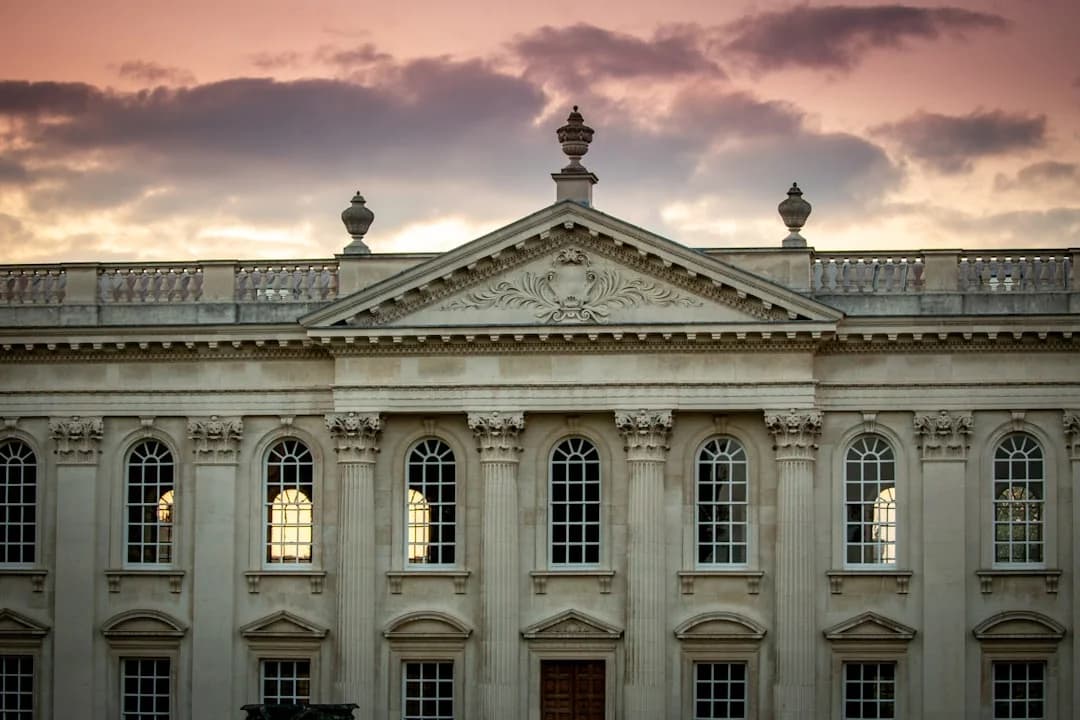
Photo by Ben Wicks on Unsplash
Cambridge University Library is teeing up a cornerstone cultural and environmental dialogue for 2026 with a major new exhibition. The Living Water Cambridge University Library exhibition 2026 brings together poetry, visual art, and an urgent climate narrative in a program designed to engage diverse audiences—from local readers to international scholars. The library has announced that the public-facing opening will take place on March 19, 2026, at the West Road site in Cambridge, with free admission and advance booking essential for the opening events. This aligns with the library’s broader strategy to pair heritage collections with contemporary conversations about environmental health and rivers, offering a data-informed look at how water, land, and culture intersect. (lib.cam.ac.uk)
The Living Water project is described as a collaborative exploration of the bonds between poets, artists, and the rivers that have shaped cultural imagination across decades. The exhibition opens in March 2026 as a centerpiece of Cambridge’s cultural calendar and is presented in partnership with Pembroke College, Cambridge. This collaboration signals a cross-institutional approach to public humanities, combining library spaces, gallery viewing, and academic programming to illuminate how water health and creative practice inform one another. The opening is also positioned within the broader Cambridge Festival ecosystem, underscoring the event’s resonance across the city’s festival circuit. (lib.cam.ac.uk)
The Living Water Cambridge University Library exhibition 2026 centers on the idea that art and poetry can illuminate environmental danger and resilience in ways that purely technical reporting cannot. A key text underlining the exhibition’s thematic charge is Barrie Cooke’s stark assertion that “Without living water, we die,” a line that anchors the show’s historical and ecological stakes. The project traces conversations among major 20th-century poets—such as Seamus Heaney and Ted Hughes—and the visual artists who worked with riverine landscapes, offering a multi-generational perspective on pollution, water rights, and cultural memory. This framing, articulated in Cambridge University Library’s announcements, signals a deliberate effort to blend aesthetic experience with environmental data and policy-relevant discourse. >Cooke’s quotation appears in the exhibition’s overview and related coverage from Cambridge University Library materials. (lib.cam.ac.uk)
What follows uses the latest publicly available details from Cambridge University Library’s official channels to present a clear, data-driven picture of the Living Water Cambridge University Library exhibition 2026, its timing, and its expected impact. The library’s What’s On pages confirm a March 19, 2026 public opening, with an emphasis on free admission and required advance booking for the opening events. The organizers describe the exhibition as a journey through a significant archive of letters, manuscripts, and artworks that illuminate the creative dialogue around rivers and water health. The sophomore-curriculum level of programming—ranging from artist commissions to public talks—is designed to appeal to visitors who value both cultural enrichment and civic reflection on environmental stewardship. (lib.cam.ac.uk)
Section 1: What Happened
Announcement and Formal Kickoff
Official confirmation and framing
Cambridge University Library publicly announced the Living Water exhibition as its flagship 2026 program, signaling a year of exhibitions, events, and research initiatives. The library’s editorial voice for 2026 frames Living Water as a central initiative that fuses poetry, art, and climate conversation into a cohesive visitor experience. This investment in an interdisciplinary exhibition aligns with the library’s stated mission to present free, accessible programs that invite broad participation while grounding interpretation in archival material and contemporary practice. The formal articulation of the Living Water project was published in December 2025, creating anticipation for a spring debut in 2026. (lib.cam.ac.uk)
Opening date and venue confirmation
A key milestone for the Living Water Cambridge University Library exhibition 2026 is the in-person public opening scheduled for Thursday, March 19, 2026, from 7:30 PM to 9:00 PM. The opening event is hosted at the Cambridge University Library, with advance booking required for tickets, which are free to the public (under 18s must be accompanied). The timing and venue specifics anchor the show within the library’s architectural cycle and its public-facing exhibitions program. This is cross-verified by Cambridge University Library’s What’s On page, which lists the opening as a marquee event in the Living Water lineup. (lib.cam.ac.uk)
Exhibition content and participating institutions
The Living Water exhibition travels beyond a single gallery frame by integrating art, poetry, and a climate narrative across two primary gallery spaces (North and South Galleries). Visitors will encounter works by Susan Derges, whose river and landscape-inspired imagery anchors the visual dimension of the show, while the accompanying literary and archival material foregrounds the dialogue between artists and poets who lived and worked near watercourses. The exhibition’s program emphasizes not only visualization but also experiential engagement—visitors may sit, read, reflect, and interpret in a setting designed to foster a contemplative exchange with water as a living system. Cambridge University Library’s announcements highlight Derges’ contributions and the invitation to immerse visitors in water’s flow and form. (lib.cam.ac.uk)
Timeline and Key Facts
Timeline overview

- December 17, 2025: Cambridge University Library publishes a preview post announcing the 2026 Living Water program, positioning it as a major new exhibition that combines art, poetry, and environmental narrative. The post also notes a collaboration with Pembroke College and outlines a broader 2026 events program. This official teaser establishes the project’s scope and institutional partnerships for the year ahead. (lib.cam.ac.uk)
- February 2026: Event bookings for Living Water programming will open, signaling a formal engagement window for the public to access talks, workshops, and related events tied to the exhibition. The prospect of a February 2026 booking window is stated by Cambridge University Library as part of its planning for the Living Water program. (lib.cam.ac.uk)
- March 19, 2026: Public exhibition opening for Living Water opens at Cambridge University Library, with public access and a curated program designed to initiate ongoing engagement with river health as a cultural and environmental issue. The opening event is scheduled for the evening, with formal ticketing and accessibility provisions noted in the What’s On listing. (lib.cam.ac.uk)
Key facts and display strategy
Living Water Cambridge University Library exhibition 2026 is designed as a multi-faceted presentation that blends archival materials with contemporary artistic practice. The exhibition’s core narrative centers on the tension between beauty and pollution in watercourses, a theme that resonates across the physical artifacts and the literary-creative outputs on display. The planning communiqués emphasize the exhibition’s archival emphasis—letters, manuscript material, and artworks—that illuminate long-running conversations about environmental change and cultural response. The public-facing materials also underscore accessibility and inclusivity, noting that the exhibition is free to the public and that tickets require advance booking for the opening. (lib.cam.ac.uk)
Section 2: Why It Matters
Cultural and Environmental Implications
Why the Living Water project matters for audiences
The Living Water Cambridge University Library exhibition 2026 is positioned at the intersection of culture and environmental stewardship. By presenting poetry and visual art in dialogue with archival records related to rivers and water health, the exhibition invites audiences to consider how cultural production responds to ecological pressure. The narrative frame—rivers as both artistic inspiration and ecological warning—encourages a broader audience to engage with climate and water quality issues in a manner that complements scientific reporting and policy analysis. The exhibition’s framing statement—“Without living water, we die”—serves as a powerful, accessible articulation of environmental stakes that can resonate beyond disciplinary boundaries. This is especially relevant in a university-town context where research, public engagement, and cultural programming are tightly interwoven. (lib.cam.ac.uk)
Art, poetry, and public discourse as climate tools
Living Water is not simply a retrospective display; it is designed as an active public forum. The program includes talks, workshops, and live events that bring writers, artists, and scientists into conversation with the public. The inclusion of conversations with notable figures, such as Robert Macfarlane in related programming, signals an intent to foster cross-disciplinary dialogue about water, landscape, and wellbeing. The Living Water exhibition thus operates as a conduit for climate discourse, translating technical concerns into accessible, emotionally resonant storytelling that can inform attitudes, inspire action, and shape civic engagement around river health. The program’s breadth—ranging from poetry writing introductions to after-hours Library Late events—illustrates how cultural institutions can broaden the reach of environmental issues beyond traditional academic audiences. (lib.cam.ac.uk)
Institutional partnerships and public engagement
The Living Water initiative reflects Cambridge University Library’s commitment to civic partnerships and community-facing programming. The collaboration with Pembroke College reinforces a cross-institutional model for public humanities, blending library resources with college-level artistic and scholarly initiatives. In addition, the program emphasizes partnerships with local libraries and community organizations, as noted in the broader 2026 context, which envisions poetry workshops across Cambridge public libraries and other co-branded educational activities connected to river health. This approach aligns with contemporary expectations that major cultural institutions should act as civic partners—extending access to expertise, archives, and artistic production to diverse communities. (lib.cam.ac.uk)
Market and Audience Impacts
Audience reach and accessibility

The Living Water Cambridge University Library exhibition 2026 is explicitly described as free and open to all, with booking requirements for the opening events. This accessibility stance broadens the potential audience to include students, researchers, families, and casual visitors who may not be regular museum or gallery-goers. By offering a program that includes talks, workshops, and live performances, the library is aiming to attract a wide cross-section of the public, from poetry enthusiasts to environmental advocates, thereby expanding the cultural footprint of Cambridge’s festival ecosystem. The emphasis on free access and a public programming calendar aligns with trends in cultural institutions prioritizing inclusive engagement and experiential learning. (lib.cam.ac.uk)
Media and public communication strategy
From a communications perspective, the Living Water initiative demonstrates a careful blend of archival storytelling and contemporary cultural relevance. The project leverages high-profile literary and visual artists (for example, Susan Derges) and pairs them with prominent poets and scholars in scheduled talks and readings. This strategy is consistent with a growing emphasis on cross-disciplinary programming that leverages university libraries as laboratories for public discourse. The Cambridge University Library’s own announcements emphasize both the artistic and scientific dimensions of the project, signaling a data-informed approach to curating and publicizing complex environmental narratives. (lib.cam.ac.uk)
Wider Context and Comparisons
Positioning within Cambridge and beyond
The Living Water exhibition sits within Cambridge’s tradition of integrating culture, science, and public policy. The 2026 program’s breadth—art exhibitions, readings, and a robust events calendar—parallels wider trends where libraries reposition themselves as active hubs for climate literacy and civic participation. By focusing on rivers and water health through a combined art-and-archival framework, the exhibition differentiates itself from typical museum presentations, offering a more interdisciplinary approach that can attract audiences who seek both aesthetic experience and data-driven context. The Cambridge Festival branding further situates the event within a city-wide celebration of arts and ideas, increasing its potential to draw visitors who are in town for multiple cultural offerings. (lib.cam.ac.uk)
Closing the loop with institutional context, the Living Water exhibition also sits alongside Cambridge University Library’s broader research initiatives visible in 2026 programming. The library’s 2026 events programme includes workshops, author conversations, and readings that engage with water, poetry, and the natural world. The long view includes potential synergies with research networks and conservation conversations—a reminder that cultural exhibitions often function as gateways to deeper scholarly exploration and community action. As the year unfolds, the Living Water exhibition is likely to influence public conversations about river health and climate resilience in ways that supplement scientific reporting with humanistic inquiry and creative reflection. (lib.cam.ac.uk)
Section 3: What’s Next
Next Steps for Audiences and Stakeholders
Booking windows and upcoming programming

Readers and potential attendees should mark February 2026 as a critical window for booking related Living Water programming. While the public opening is scheduled for March 19, 2026, many associated events—tours, workshops, and talks—are described as part of a broader program with advance booking requirements and limited capacity for some sessions. The What’s On pages indicate that event bookings will be released in the lead-up to spring 2026, creating a predictable cadence for audience engagement and planning. This signaling helps schools, civic groups, and cultural enthusiasts plan their visits and participate in the exhibition’s educational and creative programming. (lib.cam.ac.uk)
Key upcoming events to watch
Beyond the March 19 opening, Living Water programming includes a schedule of events that extend into the summer and fall, including Library Late evenings, poetry-oriented programs, and artist-and-writer conversations. The 2026 events programme details show planned activities featuring notable figures and collaborative formats designed to foster dialogue about water, text, and image. Notable entries include Library Late programs and collaborations with poets and writers, which will be scheduled throughout 2026. While the exact dates for all these events may evolve, the library’s communications provide a clear pathway for audiences to stay engaged through the What’s On channel and related mailing lists. (lib.cam.ac.uk)
What to watch for in the months ahead
- Announcement of a formal end date or wrap-up plan for the Living Water exhibition, including any touring or school-group outreach components. While the initial materials emphasize a March 2026 opening and a broad program, the duration and scope of the show’s run will likely be clarified as bookings progress.
- Additional talks, readings, and performance events anchored in the collaboration between Cambridge University Library and Pembroke College, possibly expanding to other campus venues or partners.
- Expanded educational programming, including workshops designed to connect river health with curricula in science, humanities, and the arts, as well as potential public libraries’ programming across Cambridge in spring/summer 2026. The public engagement emphasis in the official materials suggests a sustained outreach effort beyond the campus core. (lib.cam.ac.uk)
What this means for readers of the Cambridge Review and for observers of technology, culture, and market trends is that the Living Water Cambridge University Library exhibition 2026 represents more than a single show. It embodies a model for how cultural institutions can transport climate dialogue into everyday experiences—through a combination of archival discovery, contemporary art, and participatory programming. The exhibition’s integration with the Cambridge Festival and its cross-institutional partnership with Pembroke College underscore a trend toward collaborative, place-based humanities initiatives that leverage academic credibility to broaden public understanding of environmental issues. In a media landscape where data-driven reporting and accessible narrative often operate in separate spheres, Living Water offers a template for converging scientific concern with cultural storytelling, in a venue that invites visitors to encounter water as a living system and a shared responsibility. (lib.cam.ac.uk)
Closing As Cambridge prepares to welcome visitors to the Living Water Cambridge University Library exhibition 2026, the dialogue it fosters offers a timely intersection of art, poetry, and environmental awareness. The opening date of March 19, 2026, marks the kickoff of a year-long program that aims to entertain, inform, and mobilize audiences around river health and climate resilience. For those tracking how cultural institutions respond to environmental challenges, the Living Water project provides a compelling case study in public humanities—an example of how galleries, libraries, and colleges can collaborate to translate complex data into immersive, participatory experiences. To stay updated on the Living Water exhibition and related events, readers are encouraged to follow the Cambridge University Library’s What’s On page and to sign up for event alerts and the What’s On mailing list. (lib.cam.ac.uk)