Frontiers in Stem Cell Innovation Conference 2026

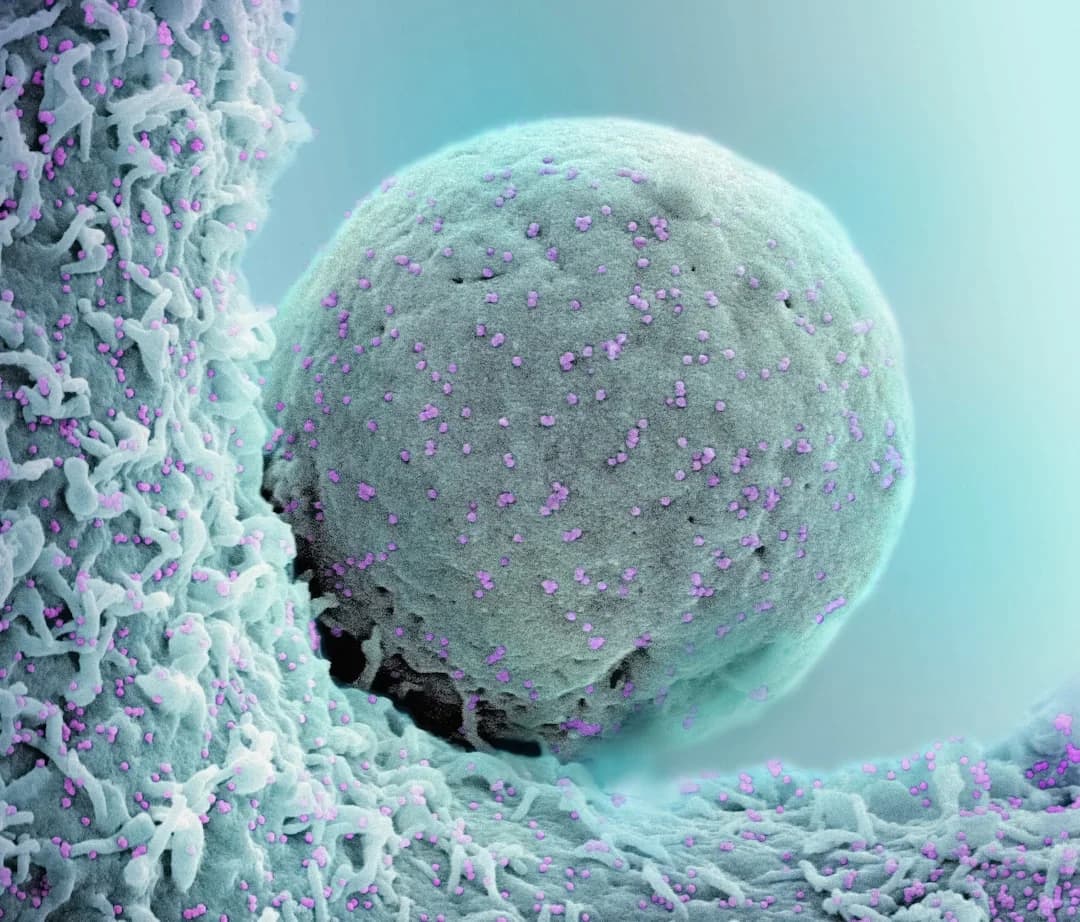
Photo by National Institute of Allergy and Infectious Diseases on Unsplash
The Cambridge Review presents a data-driven update on the Frontiers in Stem Cell Innovation Conference 2026, a two-day gathering that convened leading academics and industry practitioners to explore the latest breakthroughs in stem cell science and translational medicine. Held on February 5–6, 2026, the event linked Hinxton’s Wellcome Genome Campus with the Babraham Research Campus in Cambridge, United Kingdom, underscoring a sustained commitment in the region to accelerate regenerative therapies and organ-on-a-chip technologies. The conference, positioned as a platform for bridging discovery with practical applications, took shape against a broader industry backdrop that emphasizes collaboration between universities, biotech firms, and biopharma to shorten the pipeline from bench to bedside. The event’s scheduling and venue details — including a collaboration with WORD+ (World Organoid and Organ-on-a-Chip Research Day) — signal a deliberate effort to align cutting-edge stem cell science with translational industry needs. This news coverage will examine what happened, why it matters for science and markets, and what comes next for attendees and the wider ecosystem. (cambridgenetwork.co.uk)
Across two days, speakers and participants engaged in sessions that highlighted advances in stem cell production, differentiation, and disease modeling, with a focus on how these developments may accelerate drug discovery and therapeutic development. The program featured a mix of keynote talks and industry–academic panels designed to illustrate how organoid systems and advanced stem cell technologies can inform translational research across multiple therapeutic areas. The event’s emphasis on practical application — including neuroscience and oncology contexts — reflects a broader trend in stem cell research toward models that better predict human responses and reduce reliance on traditional animal testing in early-stage development. The program also underscored the importance of cross-sector collaboration as a driver of innovation in a field where regulatory science and manufacturing discipline increasingly intersect with biomedical research. (cambridgenetwork.co.uk)
Section 1: What Happened
Event scope and schedule
Dates and format
The Frontiers in Stem Cell Innovation Conference 2026 took place on February 5–6, 2026, in Cambridge, United Kingdom. Organizers staged the event as a face-to-face gathering with a schedule that combined afternoon programming at Hinxton Hall (Hinxton, Wellcome Genome Campus, Cambridge CB10 1RQ) on Day 1 with programming at the Cambridge Building, Babraham Research Campus (Cambridge CB22 3AT) on Day 2. The event’s official listing notes Day 1 sessions on Thursday, February 5, and Day 2 sessions on Friday, February 6, with designated time blocks for keynote talks, panels, and networking. The Cambridge Network page provides these specifics and confirms the joint partnership with WORD+ to connect organoid and organ-on-a-chip discussions to the broader program. (cambridgenetwork.co.uk)
Venue specifics and logistics
Hinxton Hall, part of the Wellcome Genome Campus, served as the Day 1 venue and hosted the opening keynote and industry–academia panel discussions focused on biotechnology applications of organoid and stem cell technologies. Day 2 shifted venues to the Cambridge Building at the Babraham Research Campus, emphasizing hands-on, application-oriented sessions in neuroscience and oncology research, with industry participants and academic leaders continuing the dialogue on translation of stem cell science into therapies. The event’s logistics were described in the conference summary and venue details published by Cambridge Network, including the connection to WORD+ for Day 1’s broader context. (cambridgenetwork.co.uk)
Key speakers and program highlights
On Day 1, the program spotlighted Majjlinda Lako (Professor of Stem Cell Science, Biosciences Institute, Newcastle University), Lyle Armstrong (Professor of Cellular Reprogramming, Newcastle University), and Rick Livesey (CEO, Talisman Therapeutics & Gen2 Neuroscience; Honorary Professor, UCL/GOSH). The afternoon session featured an industry–academia panel examining biotechnological applications of organoid and advanced stem cell technologies. On Day 2, the program included a range of senior researchers and industry leaders such as Fiona Ducotterd (Professor of Neuroscience, UCL; CSO of the Alzheimer’s Research UK UCL Drug Discovery Institute), Fiona Menzies (Associate Vice President, Eli Lilly), Davide Danovi (Co-founder, Migration Biotherapeutics; visiting lecturer at Cambridge and King’s College London), Marzena Kurzawa-Akanbi (Lecturer in Regenerative Medicine, Newcastle University), Bilada Bilican (Senior Director, AstraZeneca), Peter Rugg-Gunn (Babraham Institute), Maria Christophorou (Babraham Institute), Matteo Martufi (GSK UK Stem Cell group), Stefan Schoenfelder (Babraham Institute), and Mark Kotter (Founder of bit.bio and other ventures; Professor at Cambridge). The event information shows a robust cross-section of academic leaders and biopharma executives across both days. (cambridgenetwork.co.uk)
What happened on the ground
Program structure and outcomes

The conference opened with a keynote and an industry–academia panel session focused on organoid technology and organ-on-a-chip platforms, signaling a strong emphasis on translational potential from the outset. Attendees heard discussions about how stem cell production and differentiation advances can inform disease modeling and drug discovery pipelines, with an explicit aim of accelerating translational timelines. The program concluded Day 1 with networking opportunities designed to foster collaboration among startups, established companies, and academic labs. On Day 2, the emphasis broadened to practical applications in neuroscience and oncology, with presentations by industry stakeholders highlighting translational strategies and collaboration opportunities for accelerating clinical development. The closing panels on Day 2 framed a picture of a field increasingly oriented toward standardization, GMP-like manufacturing considerations, and regulatory readiness as prerequisites for broader clinical adoption. (cambridgenetwork.co.uk)
Participant and organizer statements
Public-facing materials for the event highlighted the partnership between Wellcome Genome Campus and Babraham Research Campus, with Cambridge Network positioning the conference within a broader ecosystem of life sciences innovation in Cambridge. The event’s organizers described Frontiers in Stem Cell Innovation Conference 2026 as an occasion to showcase cutting-edge advances in stem cell production, differentiation, and disease modeling across multiple therapeutic areas, with a clear objective to connect academic discovery with industry-scale translation. The program’s speaker roster underscores the involvement of leading researchers and industry leaders in shaping the direction of stem cell science and its clinical translation. (cambridgenetwork.co.uk)
Section 2: Why It Matters
Impact on science and translational medicine
Bridging discovery to therapy
The Frontiers in Stem Cell Innovation Conference 2026 reflects a broader movement in regenerative medicine toward integrating organoid and organ-on-a-chip models into drug discovery and preclinical testing. The opening session and subsequent programs highlighted organoid technology as a focal point for modeling disease and testing therapeutics in human-relevant contexts, a trend reinforced by related research discussions in the field. The Cambridge event’s structure—combining foundational stem cell science with translational panels—illustrates a deliberate push to shorten the path from laboratory insights to patient-ready therapies. In a scientific landscape where reproducibility and predictive accuracy matter for investment and regulatory readiness, events that foreground cross-sector collaboration can help align academic innovation with industry needs. (cambridgenetwork.co.uk)
Market signals and industry implications
Market research over the past few years indicates sustained growth in the stem cell sector, with the overall market for stem cell-related technologies and therapies expected to expand significantly through the end of the decade. Industry analyses project meaningful growth trajectories for stem cell products, therapies, and related manufacturing solutions, driven by ongoing clinical trials, increasing regulatory clarity in some jurisdictions, and rising investor interest in regenerative medicine platforms. While exact market figures vary by source and methodology, the consensus among major industry analysts is that the stem cell field remains a sizable and expanding frontier with substantial long-term potential for drug discovery, cell therapy, and diagnostic applications. This context underscores why a conference like Frontiers in Stem Cell Innovation Conference 2026 commands attention from researchers, funders, and corporate partners. (grandviewresearch.com)
Regulatory and policy context
As stem cell technologies progress toward clinical translation, policy and regulatory frameworks become increasingly central to decision-making in research and commercialization. The ISSCR, the leading professional society in this space, has emphasized guidelines for responsible stem cell research and clinical translation, along with ongoing efforts to liaise with regulators on topics such as manufacturing standards and regulatory pathways for novel cell therapies. The presence of these policy discussions alongside scientific talks at Frontiers in Stem Cell Innovation Conference 2026 aligns with a broader industry trend: stakeholders are seeking clarity on how best to balance innovation with patient safety and ethical considerations. (isscr.org)
Who is impacted and what it means for Cambridge and beyond
Academic and industry participants

For universities and research institutes, the conference provides a venue to showcase early-stage science, secure collaborations, and attract potential industry partners for translational projects. For biotechnology and pharmaceutical companies, the event offers access to emerging platforms such as organoid and organ-on-a-chip technologies, and it highlights opportunities to collaborate on preclinical models, assay development, and manufacturing scale-up. The speaker roster, which includes senior figures from Newcastle University, UCL, AstraZeneca, GSK, and the Babraham Institute, signals a mature ecosystem in which academia and industry co-create next-generation therapies. The Cambridge region’s life sciences ecosystem stands to gain from such interactions, given the proximity to research campuses and the presence of specialized facilities like the Wellcome Genome Campus and Babraham Research Campus. (cambridgenetwork.co.uk)
Investors and policy stakeholders
Investors watching the stem cell sector often prioritize evidence of translational momentum, scalable manufacturing pathways, and regulatory clarity. The Frontiers in Stem Cell Innovation Conference 2026, with its emphasis on disease modeling and translational pipelines, provides a transparent signal that Cambridge’s research community is actively engaging with industry needs. Policymakers and regulatory authorities, too, benefit from these gatherings by gaining insight into practical challenges and best practices in translating stem cell research into therapies, particularly as organoid and organ-on-a-chip technologies gain traction in preclinical evaluation. ISSCR’s ongoing policy work, including engagement with regulators around manufacturing and approval processes, reinforces the importance of aligning scientific progress with governance frameworks. (isscr.org)
Global context and local significance
While the event is anchored in Cambridge, its themes resonate globally as research centers, biotechs, and pharmaceutical firms increasingly adopt organoid-based disease models and chip-based platforms to de-risk early-stage development. The Cambridge region’s emphasis on such technologies is consistent with international trends toward more human-relevant preclinical models and standardized methods for evaluation. The Frontiers in Stem Cell Innovation Conference 2026 thus serves both as a local showcase and a node in a wider network of research-to-market activity that spans Europe, North America, and beyond. (cambridgenetwork.co.uk)
Section 3: What’s Next
Timeline and next steps for attendees and the field
Immediate actions for participants
For attendees, the immediate next steps include reviewing conference materials, following up with speakers and panelists, and exploring collaborative opportunities identified during the sessions. The event’s organizers and partners provided registration and program information, including links to Eventbrite listings and contact points for coordinators. While the live-organization page confirms the event dates and locations, attendees should verify any post-event materials or slide decks that summarize session outcomes and actionable takeaways. The official materials indicate that Day 1 sessions occurred at Hinxton, with Day 2 sessions at Babraham, and that the program included a mix of talks and panels designed to catalyze collaboration. (cambridgenetwork.co.uk)
Longer-term implications for research and market activity
In the longer term, the conference’s focus on organoid and organ-on-a-chip technologies, paired with translational sessions in neuroscience and oncology, suggests ongoing attention from funding bodies and industry players toward platforms that may streamline drug discovery and reduce reliance on traditional animal models. Market forecasters consistently point to growth in stem cell-related applications, and the Cambridge event sits at an intersection where scientific advances, manufacturing considerations, and policy development converge. If the momentum observed at Frontiers in Stem Cell Innovation Conference 2026 continues, we could expect increased cross-sector partnerships, more pilot projects bridging academia and industry, and a continued push toward standardized practices in cell manufacturing and regulatory readiness. (grandviewresearch.com)
What to watch for next in the Cambridge ecosystem
Watch for post-event announcements from the Wellcome Genome Campus and Babraham Research Campus about follow-on programs, funding partnerships, and potential joint initiatives with industry players. Industry newsletters and local life sciences networks may publish updates on new collaborations formed in the wake of the conference, and academic–industry consortia in the region could use the event’s results to design pilot studies and translational programs. The broader international community will be looking to ISSCR’s ongoing policy work and regulatory guidance for signals about how emerging organoid and organ-on-a-chip technologies may integrate into clinical development pipelines in the coming years. (isscr.org)
What’s Next (continued)
Timeline alignment with industry cycles
As the stem cell field matures, the industry’s annual conference calendar often serves as a synchronization point for researchers, funders, and corporate partners. The Frontiers in Stem Cell Innovation Conference 2026 can be seen as part of a cycle of events that feed into grant calls, collaboration agreements, and co-development initiatives. Observers will be comparing this year’s program with prior iterations to gauge how the themes have evolved, whether there is greater emphasis on translational platforms, and how regulatory conversations are advancing in tandem with scientific breakthroughs. The event’s positioning in Cambridge, a genomics and biotech hub, makes it a useful barometer for regional and global activity in stem cell research and regenerative medicine. (cambridgenetwork.co.uk)
Closing
In summary, Frontiers in Stem Cell Innovation Conference 2026 marked a pivotal moment for Cambridge’s life-sciences ecosystem, reinforcing the city’s role as a global center for stem cell research, organoid technology, and translational science. The two-day program demonstrated a sustained commitment to moving discoveries from the lab to real-world therapies, with an explicit focus on collaboration between universities, biotech firms, and pharmaceutical developers. As the field navigates regulatory frameworks and manufacturing challenges, events like this conference provide a critical platform for aligning scientific aims with practical pathways to clinical impact. Readers seeking updates should monitor the Wellcome Genome Campus and Babraham Research Campus announcements, as well as ISSCR’s ongoing policy and guidelines work, to stay informed about how this dynamic field evolves in the coming months and years. For ongoing coverage of Frontiers in Stem Cell Innovation Conference 2026 and related developments in regenerative medicine, stay tuned to Cambridge Review’s science and technology desk. (cambridgenetwork.co.uk)