Citizen Science on Campus UK Universities 2026


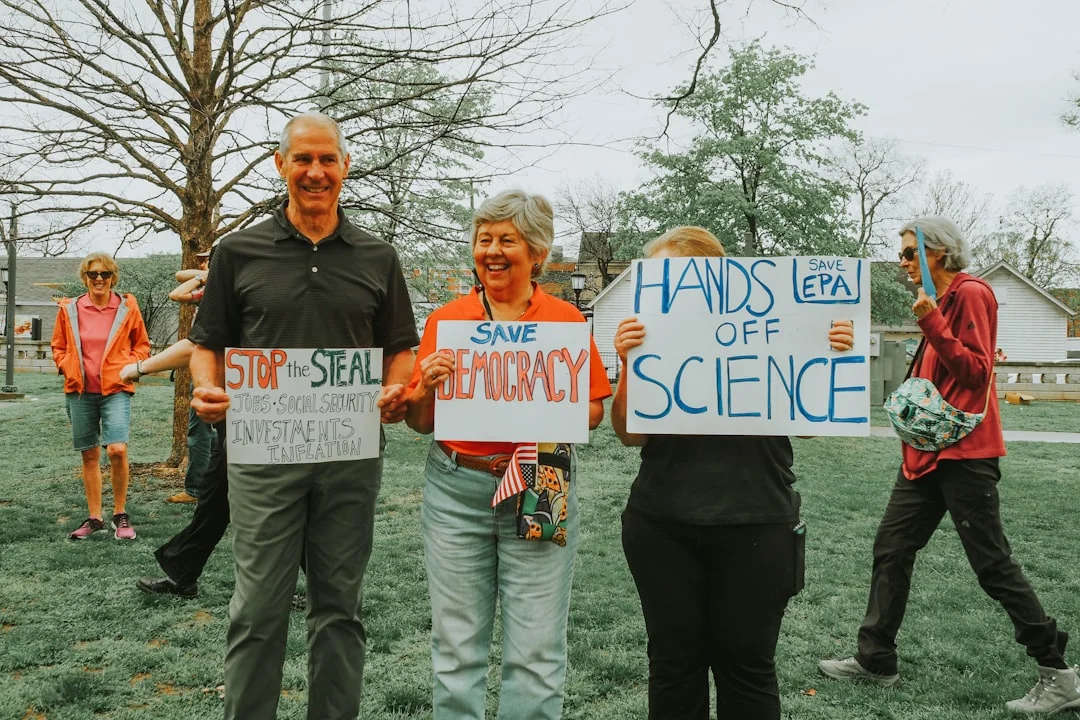
Photo by Trust "Tru" Katsande on Unsplash
Citizen science on campus UK universities 2026 is shaping a new era of student-led research and community engagement across the United Kingdom. In 2026, multiple universities have launched campus-wide citizen science initiatives designed to involve students, staff, and local residents in real-world data collection and analysis. The trend reflects a broader push to connect classroom learning with practical, observable outcomes while expanding scientific literacy beyond traditional lab settings. As universities publish events, pilot programs, and ongoing collaborations, the year is becoming a focal point for understanding how citizen science on campus UK universities 2026 is accelerating research access, enhancing biodiversity monitoring, and creating new pathways for community participation in science. (uel.ac.uk)
In April 2026, campuses across the country hosted hands-on events that exemplify this shift. The University of East London’s Royal Docks Centre for Sustainability (RDCS) hosted the Newham Citizen Science Fair on April 14, 2026, transforming the space into an open, participatory laboratory where residents, students, researchers, and community organizations could explore questions together. The event emphasized curiosity, collaboration, and shared learning, illustrating how universities are positioning themselves as civic anchors in their urban regions. This kind of campus-facing citizen science event is part of a broader wave of engagement that aims to democratize data collection and make science more accessible to non-specialists. (uel.ac.uk)
A few days later, Bournemouth University announced the Campus Nature Challenge 2026, highlighting a campuswide initiative to monitor biodiversity and engage students in field data collection. The project leverages citizen science platforms (including iNaturalist) to collect observations as part of BU’s Nature Positive University commitments, reinforcing how student-led data collection feeds into institutional sustainability goals. The program is designed to be inclusive for staff, students, and members of the surrounding community, underscoring a trend toward open science practices on campus. (bournemouth.ac.uk)
Across the country, other universities joined the momentum during spring 2026. For example, the University of Kent highlighted its 2026 BioBlitz as a core campus activity designed to map biodiversity on site, with bookings for the 2026 BioBlitz now open. The event ecosystem at Kent mirrors a wider movement in which student committees organize hands-on surveys and on-campus habitat assessments as part of the university’s sustainability framework. This example, along with similar initiatives at other institutions, demonstrates how campuses are turning biodiversity monitoring into student-led, action-oriented learning experiences. (kent.ac.uk)
Liverpool John Moores University also promoted a Campus Nature Challenge BioBlitz for 2026, inviting students and staff to participate in biodiversity recording on campus. The event fosters cross-department collaboration and provides a practical platform for students to contribute to local ecological knowledge while developing skills in data collection, species identification, and dataset sharing. The LJMU program is presented as part of a broader set of sustainability and community engagement activities on campus. (ljmu.ac.uk)
In parallel, other UK institutions advanced citizen science initiatives on campus during 2026. The Open University and the University of York feature ongoing citizen science engagement through research seminars and community-facing activities, underscoring a national pattern of universities embedding citizen science into research practice and public outreach. The Open University hosted events in March 2026 featuring experts and practitioners sharing approaches to collaboration and impact, while the York-based Stockholm Environment Institute unit has documented the emergence of UK-wide resources and networks to support campus-based citizen science. These activities illustrate the growing ecosystem that supports citizen science on campus UK universities 2026. (research.open.ac.uk)
Beyond campus-specific events, broader research policy and practice themes are shaping how universities frame citizen science in 2026. Internationally oriented syntheses emphasize embedding citizen science into research policy and public engagement strategies, with organizations like the OECD publishing guidance on enabling collaboration, innovation, and impact in citizen science. In the UK context, guidance from national research funders and policy bodies continues to promote public involvement in research and the integration of citizen-generated data into institutional decision-making. These policy-oriented developments provide a backdrop against which campus initiatives unfold, helping universities align local activities with national and international expectations for openness, reproducibility, and impact. (oecd.org)
Opening the aperture a bit further, several universities are using campus citizen science as a way to connect science with daily life. For example, the University of York’s Sustainability and Citizen Science work in 2026 reflects an established center of expertise in the field, with the Stockholm Environment Institute at York highlighting a UK-focused resource hub for researchers and practitioners. These efforts illustrate how campus-based citizen science is becoming a recognized component of broader academic ecosystems, supporting both education and public engagement objectives. (york.ac.uk)
Section 1: What Happened
Major initiatives across campuses
Newham Citizen Science Fair at UEL

The Royal Docks Centre for Sustainability (RDCS) at the University of East London organized the Newham Citizen Science Fair on April 14, 2026. The event was designed as a free, volunteer-led experience that invited participants to explore science through hands-on activities, discussion, and direct interaction with researchers. The fair emphasized openness and accessibility, inviting residents and students to engage with topics ranging from environmental monitoring to digital inclusion and AI’s role in everyday life. The event illustrated how universities are widening access to science while strengthening ties with local communities. (uel.ac.uk)
Campus Nature Challenge and biodiversity data collection at BU
Bournemouth University announced the Campus Nature Challenge 2026 on April 17, 2026, encouraging students, staff, and community members to participate in biodiversity observation projects on campus grounds. The BU initiative reflects a deliberate link between student activity and the university’s Nature Positive commitment, using citizen science data to inform campus biodiversity management and green infrastructure planning. The project demonstrates how campus-native data can contribute to environmental stewardship goals while delivering experiential learning opportunities for students. (bournemouth.ac.uk)
BioBlitz activities at Kent and beyond
The University of Kent highlighted a 2026 BioBlitz as a centerpiece of campus biodiversity monitoring. The institution’s communications note that the BioBlitz is a student-led, on-campus data collection event with bookings open for 2026, underscoring the role of students in driving ecological surveys and habitat assessments. This approach signals a growing trend of universities using BioBlitzes as a practical teaching tool that yields usable data for campus sustainability programs. (kent.ac.uk)
LJMU Campus Nature Challenge BioBlitz
Liverpool John Moores University promoted a Campus Nature Challenge BioBlitz for 2026, inviting participation from students and staff to help document campus biodiversity. The event aligns with LJMU’s broader sustainability agenda and demonstrates how campuses can convert classroom knowledge into field-based citizen science activities. Observers and participants are encouraged to contribute observations, learn identification skills, and connect scientific inquiry with campus life. (ljmu.ac.uk)
Open University and York-based citizen science activities
The Open University hosted a March 2026 event exploring citizen science as a framework for collaboration, innovation, and impact, featuring perspectives from practitioners who have embedded citizen science into research programs. Separately, the University of York’s SEI page points to a robust UK citizen science landscape, including a 2026 initiative to launch a national resource hub for researchers and practitioners working in citizen science. Together, these activities illustrate how major universities are integrating citizen science into research policy and education. (research.open.ac.uk)
Related campus science and planetary health initiatives
In 2026, campuses also highlighted broader science engagement efforts with a focus on planetary health and environmental science. Notable documents and program pages reference campus-level activities that engage students in ecological monitoring, biodiversity surveys, and environmental education. While these pieces are part of a larger ecosystem, they underscore the way campuses frame citizen science as an integral component of science education and community partnerships. (phreportcard.org)
Key events and timelines
April 2026 accelerators and open opportunities
- April 14, 2026 — Newham Citizen Science Fair (UEL). This event showcased a model for open, participatory science on campus and in the local community. (uel.ac.uk)
- April 17, 2026 — Campus Nature Challenge 2026 (BU). The project emphasizes biodiversity data collection on campus and ties to institutional sustainability goals. (bournemouth.ac.uk)
- April 27, 2026 — Campus Nature Challenge BioBlitz (LJMU). A hands-on day of data collection and student participation on campus grounds. (ljmu.ac.uk)
Ongoing 2026 initiatives and programs
- 2026 — University of Kent BioBlitz with 2026 booking availability. This indicates sustained planning for campus biodiversity events and student-led data collection. (kent.ac.uk)
- 2026 — Open University and York-related citizen science activities, including policy guidance and knowledge-sharing events. (research.open.ac.uk)
Student leadership and institutional support
Student-driven programs and clubs
Across the cited campuses, student committees and sustainability teams are organizing BioBlitzes, nature challenges, and fair-style events. These programs empower students to take leadership roles in designing surveys, coordinating volunteers, and communicating findings to campus and local audiences. The Kent and LJMU initiatives, in particular, reflect a growing pattern where student leadership is paired with formal university backing to scale up citizen science activities. (kent.ac.uk)
Institutional infrastructure and partnerships
Universities are not just hosting isolated events; they are integrating citizen science into ongoing sustainability and research programs. The UEL Newham fair, BU Nature Challenge, and Kent BioBlitz each demonstrate formal channels—campus spaces, project platforms, and teaching or research collaborations—that support continuous citizen science activity. These arrangements are part of broader institutional strategies to make science more accessible, while simultaneously generating usable data for environmental management and policy discussions. (uel.ac.uk)
Section 2: Why It Matters
Impact on research, education, and data quality
Expanding data collection and real-world learning

Campus-based citizen science initiatives significantly expand data collection opportunities, enabling researchers to access large, diverse datasets while giving students practical, hands-on experience with fieldwork, data collection, and analysis. The BU Campus Nature Challenge, for example, positions student observations as a core input for biodiversity monitoring aligned with the university’s sustainability objectives, illustrating how classrooms can translate into real-world datasets. (bournemouth.ac.uk)
Enhancing scientific literacy and public engagement
These programs also strengthen scientific literacy by providing accessible entry points for community members to participate in scientific inquiry. The Newham Citizen Science Fair at UEL demonstrates how universities can frame science as an inclusive, collaborative enterprise that welcomes participation from a broad audience beyond traditional researchers. This approach can help demystify scientific methods and foster trust between universities and local communities. (uel.ac.uk)
Data platforms and methodological transparency
Many campus initiatives leverage established citizen science platforms to share observations and ensure data quality. By integrating platforms that emphasize transparency, reproducibility, and community verification (for example, iNaturalist-based projects used in BU’s program), campuses can improve the reliability and usefulness of campus-collected data for biodiversity assessments and ecological education. This aligns with broader global movements toward open science and participatory research. (bournemouth.ac.uk)
Broader context and policy implications
Policy frameworks and national guidance
The growth of citizen science on campus UK universities 2026 sits within a wider policy and guidance landscape that encourages public involvement in research and the use of citizen-generated data. The OECD’s 2025 guidance on embedding citizen science into research policy highlights how collaboration and impact can be supported at the policy level, providing a frame for how universities structure, fund, and evaluate campus citizen science programs. National funders and policy bodies in the UK have also published guidance on engaging the public with research, reinforcing the idea that citizen science is a legitimate component of modern research ecosystems. (oecd.org)
Academic networks and resource hubs
The emergence of resource hubs and networks for citizen science in the UK—such as sector-specific initiatives led by groups like the Stockholm Environment Institute at York—helps standardize approaches, share best practices, and connect campus activity with national and international citizen science communities. These networks provide both practical tools for researchers and validation for students who participate in campus projects. (york.ac.uk)
Impacts on campus culture and community relations
Community trust and engagement
Campus citizen science initiatives foster stronger ties between universities and their surrounding communities. Events like the Newham Citizen Science Fair demonstrate how universities can serve as open civic spaces, inviting residents to co-create knowledge and learn from scientists in an informal setting. Such engagement can improve community trust in scientific work and create opportunities for co-designed research questions. (uel.ac.uk)
Curriculum integration and learning outcomes
For many students, campus citizen science projects provide complementary experiences to formal coursework, enabling experiential learning in biology, ecology, data science, statistics, and environmental policy. When tied to course credits or research-led teaching, these programs can enhance learning outcomes by embedding real-world data collection into curricula. The presence of these programs in multiple UK universities suggests a growing pattern of experiential learning tied to citizen science across campuses. (bournemouth.ac.uk)
Practical considerations and challenges
Data quality and coordination
While citizen science offers numerous benefits, it also raises questions about data quality, standardization, and long-term sustainability. Institutions pursuing campus citizen science must invest in training, data governance, and quality control to ensure collected data are reliable and useful for research and decision-making. Policy guidance and best-practice resources can help universities address these challenges as they scale their programs. (oecd.org)
Inclusivity and access
A key aim of campus initiatives is to broaden participation across diverse student groups and community members. Universities are increasingly mindful of barriers to participation (time, awareness, access) and are designing programs to be more flexible, inclusive, and accessible. The Newham Fair model illustrates how events can invite broad participation, while platform choices and outreach strategies influence who gets involved. (uel.ac.uk)
Section 3: What’s Next
Upcoming initiatives and timelines
Continued expansion across campuses
Early 2026 signals a pattern of ongoing campus-wide citizen science activities that are likely to continue into the 2026–27 academic year. If the current momentum holds, more universities are likely to announce campus biodiversity challenges, bioBlitzes, and data-sharing initiatives that connect classroom learning with living laboratories on campus and in nearby communities. The open-book nature of booking windows for BioBlitz events (as seen at Kent) suggests a continued institutional commitment to integrating citizen science into campus life. (kent.ac.uk)
National networks and knowledge-sharing
As more universities formalize their citizen science programs, expect greater participation in cross-institution networks, conferences, and knowledge-sharing events. The Open University and York exemplify how universities are contributing to a national and international conversation about the models, governance, and impact assessment of campus-based citizen science. These developments will likely shape best practices and evaluation metrics in the near term. (research.open.ac.uk)
Timeline watch for 2026–2027
- Spring 2026 (ongoing via announcements and event pages): Additional campus biodiversity challenges and BioBlitz-style days are anticipated as universities build on the 2026 momentum. (bournemouth.ac.uk)
- 2026–2027 academic year: Expect scaling of citizen science into degree programs, research modules, and community engagement plans, guided by national policy frameworks that encourage public involvement in research. OECD guidance and UK policy resources provide a roadmap for how campuses can integrate citizen science into core activities while ensuring data quality and impact. (oecd.org)
What to watch for in the near term
- Program diversification: In addition to biodiversity monitoring, campus citizen science programs may broaden to include digital inclusion, air quality monitoring, and AI-enabled citizen science demonstrations, reflecting the diverse interests of campuses and their local communities. Early 2026 examples show a mix of environmental, climate, and technology topics that can be scaled and replicated. (uel.ac.uk)
- Data-sharing policies: Universities may publish or refine data-sharing guidelines to balance openness with privacy and ethical considerations. Policy guidance from international and national bodies can help shape these frameworks as programs mature. (oecd.org)
- Student leadership pipelines: As students take on leadership roles in organizing events and projects, universities may formalize pathways for student researchers to contribute to ongoing faculty-led studies, internships, and capstone projects that leverage campus citizen science data. (kent.ac.uk)
Closing
The trajectory of citizen science on campus UK universities 2026 points to a durable shift in how universities engage students, staff, and communities in concrete, measurable science. From the Newham Citizen Science Fair at UEL to campus biodiversity challenges at BU and Kent, the year is shaping a new norm where citizen-generated data informs research, learning, and campus planning. While challenges around data quality, inclusivity, and governance persist, policy and practice developments at national and institutional levels offer a supportive framework for continued growth. For students and community members alike, this is an invitation to participate in science as an everyday activity—one that blends classroom learning, on-campus observation, and real-world impact.
To stay updated on ongoing campus citizen science initiatives, readers can follow university newsrooms, sustainability pages, and official project dashboards that track events, datasets, and outcomes. Key organizers and hubs across the sector—ranging from campus biodiversity projects to national citizen science networks—provide regular briefings, event calendars, and opportunities to participate in data collection and analysis. As universities continue to experiment with formats, platforms, and partnerships, the landscape of citizen science on campus UK universities 2026 will likely grow more interconnected, more inclusive, and more impactful for researchers, students, and local communities alike.