Cancer Research UK Cambridge Institute investment £173m

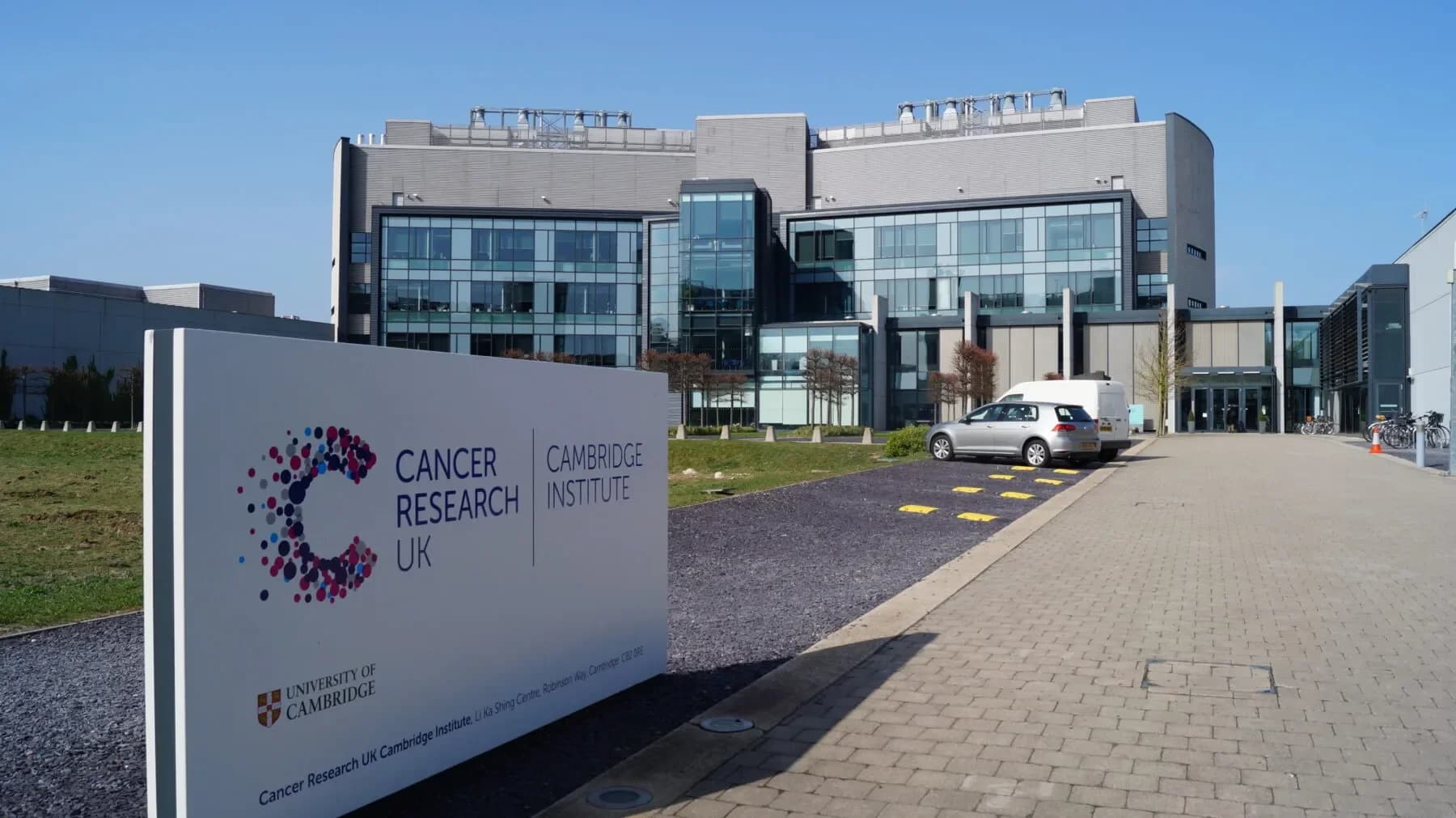
The Cancer Research UK Cambridge Institute investment amounting to £173 million marks a watershed moment for cancer research in Cambridge and beyond. Announced on October 15, 2024, this unprecedented grant from Cancer Research UK (CRUK) stands as the charity’s largest single investment outside London to date, underscoring Cambridge’s status as a leading hub for discovery science and translational research. The award will sustain the CRUK Cambridge Institute over the next seven years, enabling a broad portfolio of programs aimed at understanding every stage of the cancer life cycle—from tumor initiation to spread—and exploring how the immune system can be harnessed to combat disease. The announcement also signals a strategic emphasis on technology-enabled discovery, including machine learning and artificial intelligence, to accelerate insights and translation into patient care. This development matters not only for Cambridge researchers and patients but for the wider ecosystem of UK cancer research and international collaborations. (cam.ac.uk)
The news arrived amid a broader context of sustained investment in Cambridge’s cancer research infrastructure. The CRUK Cambridge Institute, established in 2007 and home to more than 300 scientists across 17 research groups, has long served as a foundation for a continuous pipeline from bench to bedside. The £173m CRUK Cambridge Institute investment is described by University of Cambridge leadership as a statement of confidence in the region’s capacity to deliver high-impact, patient-centered science and to attract top-tier talent from around the world. The grant is framed as a catalyst for expanding clinical collaborations, upgrading imaging and analytical capabilities, and embedding clinicians within research programs to accelerate translation. The announcement also notes that CRUK’s commitment aligns with the charity’s broader five-year investment strategy, including long-term commitments that total more than £1.5 billion across the period 2021/22 to 2025/26. (cam.ac.uk)
Opening with the news: the largest single CRUK investment outside London, a seven-year program, £173 million, and a clear push toward integrating clinical work with discovery science. The plan is to unlock new insights into how cancers develop, grow, and spread, while probing how the immune system can be leveraged for therapy. Deborah Prentice, Vice-Chancellor of the University of Cambridge, described the moment as a turning point that will help Cambridge researchers advance understanding, detection, and treatment of cancer, including the ambition to contribute to a regional cancer research hospital project. The CRUK Cambridge Institute investment is not a one-off grant; it represents a long-term, multi-faceted commitment designed to strengthen the foundation for future breakthroughs through sustained funding, strategic partnerships, and an emphasis on cutting-edge technologies. The institute’s leadership emphasizes that success will hinge on integrating clinical perspectives with laboratory discovery and on leveraging AI and imaging tools to reveal cancer biology with greater precision. The Institute’s director, Greg Hannon, highlighted that the funding will accelerate patient impact by expanding the research portfolio and recruiting world-class talent. This is a pivotal moment for Cambridge’s research ecosystem and for national efforts to translate laboratory findings into real-world therapies. (cam.ac.uk)
What Happened
The Announcement and the Scale of the Investment
-
The CRUK Cambridge Institute received £173 million in funding, described as the charity’s largest single grant outside London. This landmark investment will support the Institute over the next seven years, marking a new ceiling for philanthropy-driven cancer research support in the region. The grant is framed as a validation of Cambridge’s leadership in discovery science and its potential to drive clinical translation at scale. The university and CRUK leadership emphasized the strategic importance of aligning science with patient outcomes, and noted that the funding would underpin long-term programs in discovery research, with explicit emphasis on early detection, diagnostics, and the integration of clinicians into research workflows. The announcement circulated with messages of gratitude to CRUK supporters and the broader network of collaborators who enable translational progress. (cam.ac.uk)
-
The timing and framing of the investment reflect CRUK’s ongoing commitment to cancer research infrastructure and talent development across the UK. The CRUK Cambridge Institute investment is positioned within a broader portfolio of CRUK investments and Cambridge-based initiatives that collectively aim to accelerate translation from bench to bedside. University communications highlighted that the funding aligns with CRUK’s mission to beat cancer by supporting both foundational discovery and the development of practical clinical applications. The announcement also referenced the Charity’s broader five-year funding trajectory, including more than £1.5 billion invested in research during the period 2021/22 to 2025/26, underscoring a sustained national expansion of cancer research capacity. (cam.ac.uk)
The Recipients and Immediate Programs Affected
-
The CRUK Cambridge Institute, established as part of Cambridge’s biomedical ecosystem, is home to more than 300 scientists and 17 research groups, all dedicated to understanding cancer biology at multiple levels and to pairing basic science with translational pathways. The new investment is expected to enable a broader portfolio of programs—ranging from fundamental studies of tumor biology to translational efforts that bring new diagnostics and treatments closer to patients. The institute’s leadership described the initiative as a chance to accelerate advancements in areas such as tumor microenvironment, imaging, and the discovery of vulnerabilities in cancer cells that can be exploited therapeutically. (cam.ac.uk)
-
The announcement underscores Cambridge’s role as a major research hub on Europe’s biomedical campus. In the official materials, Greg Hannon emphasized that the Institute serves as a foundation for the entire Cambridge cancer research community, providing access to cutting-edge equipment and expertise. The funding framework aims to expand the interface between laboratory science and clinical practice, with plans to integrate clinicians more deeply into research activities and to explore the promise of machine learning and AI to enhance discovery portfolios. This emphasis on advanced technologies is presented as essential to sustaining momentum in a highly competitive international landscape. (cam.ac.uk)
The Rationale and Strategic Focus
- According to CRUK and Cambridge officials, the investment will enhance both discovery science and translational research, enabling researchers to map the entire cancer life cycle—from initiation and growth to dissemination and immune interactions. The focus on immune-based strategies reflects a broader shift in oncology toward harnessing the immune system, with the aim of developing more effective and personalized interventions. The institute’s leadership highlighted existing strengths in imaging and data-rich approaches, which are expected to scale with the new resources. The combination of sequencing, imaging, computational analysis, and clinical collaboration is framed as a path to more precise diagnostics and targeted therapies. (cam.ac.uk)
The Broader Context Within Cambridge and the UK
-
Cambridge’s cancer research ecosystem has been evolving for more than a decade, with partnerships spanning academia, hospitals, and industry. The CRUK Cambridge Institute investment sits within a larger ecosystem that includes core funding for Cambridge’s CRUK Institute network, ongoing translational efforts, and cross-institution collaborations. The university has historically benefited from CRUK and other funders supporting long-term infrastructure and talent development, enabling a continuum from basic discovery to patient-facing outcomes. The Cambridge page documenting CRUK’s support notes ongoing core funding and a broad base of active grants, reflecting a diversified funding model that underpins both core operations and targeted projects. (cruk.cam.ac.uk)
-
In parallel, Cambridge leadership has highlighted the role of donors and philanthropic partnerships in sustaining ambitious research programs. The official communications emphasize that sustained philanthropy, complemented by institutional and national funding, is critical to maintaining Cambridge’s research tempo and ensuring that discoveries have a tangible clinical impact. The narrative around the £173m CRUK Cambridge Institute investment reflects this blended funding approach and the importance of public-private partnerships in advancing cancer research infrastructure. (cam.ac.uk)
What This Means for Patients and Clinical Translation
- The CRUK Cambridge Institute investment is framed as a strategic move to accelerate the translation of research findings into patient benefits. The institute’s work encompasses the development of diagnostic tools, imaging modalities, and personalized medicine approaches tailored to the genetic and microenvironmental features of individual tumors. By embedding clinicians into research teams and leveraging advanced analytics, the program aims to shorten the time from laboratory discovery to clinical application, potentially improving early detection, treatment selection, and patient outcomes. The press materials cite concrete examples of translational progress at Cambridge, including previously developed diagnostics and imaging capabilities that have begun to inform patient care. (cam.ac.uk)
The Moment in the Global Cancer Research Landscape
- The £173 million CRUK Cambridge Institute investment is positioned within a global context of intensifying competition to attract talent, build infrastructure, and deploy data-driven cancer research. Cambridge’s ability to recruit top researchers and to integrate cross-disciplinary expertise—from imaging science to computational biology—is foregrounded as a key driver of international competitiveness. The investment is described as a signal to the research community that Cambridge remains a premier destination for ambitious, high-impact cancer science, reinforcing collaborations with other leading centers and enabling shared access to cutting-edge equipment and methodologies. The Institute’s leadership stressed that this momentum would help Cambridge remain at the forefront of big-data approaches and AI-enabled discovery in oncology. (cam.ac.uk)
What About the Funding Mechanisms and Core Support?
-
The foundation of this investment is complemented by Cancer Research UK’s core funding to Cambridge research facilities and the broader funding ecosystem that sustains long-running programs. CRUK Cambridge Institute’s annual funding comprises a core grant that supports facilities, personnel, and essential operations, totaling roughly £21 million per year, with additional funds from a diversified portfolio of grants and partnerships. This structure allows the Institute to balance stable, ongoing research capacity with targeted, mission-driven initiatives enabled by the £173m grant. The core funding framework and grant mix, as described on CRUK Cambridge Institute’s funding page, illustrate how large one-time investments can be integrated into a sustainable funding strategy. (cruk.cam.ac.uk)
-
In some Cambridge-based initiatives, CRUK investments have previously supported major programmatic centers and translational hubs, such as the Cambridge Centre and targeted imaging capabilities. A notable example is a prior £22.5 million boost over five years to accelerate translational research and advanced imaging as part of a broader UK network of cancer research hubs. These precedents help readers understand how the new £173m award fits into a continuum of strategic investments designed to accelerate patient impact. The Cambridge news release on the £22.5 million boost provides a concrete reference point for the programmatic scale and the intended outcomes of such investments. (cam.ac.uk)
-
The wider funding environment for UK cancer research also includes major research centers and collaborations that indicate a national commitment to sustaining momentum in discovery and translation. The 2014–2015 era and subsequent years saw significant CRUK-related investments in Cambridge infrastructure and in partnership programs, illustrating how the Cambridge ecosystem has repeatedly leveraged charitable funding to build critical research capacity. While those earlier efforts differ in scale and focus from the 2024 award, they help readers appreciate the strategic value of such investments for long-term research agendas. (cam.ac.uk)
What Are Critics Saying? Balanced Perspectives
- As with any large-scale funding decision, there are nuanced views about the best allocation of philanthropic and public funds in a competitive research environment. Some observers emphasize the importance of strategic alignment with clinical needs and patient outcomes, noting that large grants should be paired with robust evaluation frameworks to measure translational progress and impact on care pathways. Others highlight the risks of concentrating resources in a single institution, arguing that distributed funding across multiple centers can spur broader innovation while mitigating risk. In the Cambridge context, the emphasis on integrating clinicians into research and on deploying cutting-edge analytics suggests an intent to maximize translational yield, but ongoing monitoring will be essential to demonstrate tangible patient benefits over time. The public communications from CRUK and Cambridge officials focus on accountability, collaboration, and measurable milestones, which can help address concerns about impact and return on investment. (cam.ac.uk)
Why It Matters
Impact on Discovery and Patient Outcomes

-
The CRUK Cambridge Institute investment is intentionally designed to broaden the scope and speed of discovery across the cancer research life cycle. By enabling deeper mechanistic studies of tumor initiation, growth, and spread, researchers can identify new vulnerabilities and test targeted interventions earlier in the development pipeline. The institutional emphasis on advanced imaging and data analytics is expected to yield richer datasets, enabling researchers to characterize tumor heterogeneity and microenvironmental interactions with unprecedented granularity. The integration of clinical perspectives into research programs is framed as essential to ensuring that discoveries address real-world needs and reduce time to patient benefit. The institute’s leadership has consistently argued that investments like this expand the translational pipeline and create a blueprint for how discovery science can be translated into better diagnostics and treatments. (cam.ac.uk)
-
Translational potential is a central thread in Cambridge communications, with a track record of turning research insights into tangible clinical tools. The press materials emphasize earlier successes related to diagnostics, imaging tools, and personalized medicine strategies that have influenced patient care pathways. The new funding aims to extend these achievements by enabling more rapid development cycles, broader clinical partnerships, and the scaling of technologies such as AI-assisted image analysis and data-driven decision support in oncology. As a result, patients could benefit from faster detection, more precise treatment selection, and improved monitoring of disease progression or recurrence. (cam.ac.uk)
Regional and National Significance
-
From a regional perspective, the seven-year CRUK Cambridge Institute investment consolidates Cambridge’s role as a premier cancer research hub within the UK and Europe. The investment is expected to attract international talent and foster collaborations that cross disciplines, institutions, and industry partners. This is particularly relevant as the global cancer research community increasingly prioritizes cross-institutional, data-intensive approaches that accelerate discovery and translation. The Institute’s leadership highlights that such growth can yield a virtuous cycle: stronger research programs attract more funding, attract top scientists, and enable more ambitious projects with higher translational potential. The result could be not only local health benefits but also broader collaborations that advance cancer research worldwide. (cam.ac.uk)
-
The funding context within the UK’s research landscape also matters. CRUK’s commitment, when paired with core Cambridge Institute funding and associated programs, contributes to a national narrative around cancer research capacity, workforce development, and infrastructure. This is relevant for policymakers, funders, and hospital partners who seek to maximize the return on public and philanthropic investment in cancer science. The Cambridge Institute’s funding history and current scale illustrate how a city-based ecosystem can sustain high-impact science over multiple years, offering a model for other regions seeking to grow translational cancer research. (cruk.cam.ac.uk)
The Technology Frontier: AI, Imaging, and Data Science
- A salient feature of the CRUK Cambridge Institute investment is its explicit emphasis on adopting and integrating new technologies, including machine learning and artificial intelligence. This signals a strategic move to enhance data interpretation, imaging workflows, and predictive markers that can guide clinical decision-making. The integration of clinicians into research teams is also intended to ensure that AI-enabled insights translate into practical tools for patient care. In practice, this could translate into more accurate early detection, better stratification of patients for targeted therapies, and more efficient clinical trials. The Cambridge Institute article frames these opportunities as central to accelerating discoveries and improving patient outcomes, aligning with global trends toward AI-enabled biomedicine. (cam.ac.uk)
What’s Next
Timeline, Milestones, and Immediate Next Steps
-
The seven-year funding horizon sets a clear timeline for milestones across discovery, translational program development, and clinical integration. In the immediate term, the Institute will likely commence program expansions, recruit leading scientists and clinicians, and invest in high-impact infrastructure upgrades (imaging, data infrastructure, and computational platforms) to support advanced analytics and AI-driven research. While the university and CRUK have not published a granular, year-by-year milestone spreadsheet in the public materials, the emphasis on integrating clinicians into research and embracing AI suggests a phased approach: year one to year three would build out core capabilities and pilot translational projects; years four to seven would scale successful programs and advance them toward broader clinical deployment. The seven-year frame is explicitly stated in the announcement and underscores a long-term plan to realize patient benefits through sustained effort. (cam.ac.uk)
-
The funding magnitude also implies a multi-faceted programmatic strategy. Expect expansion of Advanced Imaging capabilities, continued development of diagnostic platforms, and the establishment of new collaborative networks linking Cambridge researchers with national and international partners. The Institute’s leadership has highlighted the importance of cross-disciplinary collaboration, clinician engagement, and the adoption of emerging technologies to accelerate progress. These elements point to a staged program that builds infrastructure, talent, and partnerships in parallel, with iterative assessments of impact and translational yield. (cam.ac.uk)
What to Watch For: Indicators of Progress
-
Key indicators of progress will likely include the number and quality of translational studies moving from Cambridge into clinical pipelines, strategic hires of senior researchers and clinician-scientists, and the establishment of new partnerships with industry and healthcare organizations. Given the emphasis on AI and imaging, milestones could include the deployment of AI-assisted diagnostic tools in pilot clinical settings, demonstrated improvements in imaging resolution or speed, and the identification of novel biomarkers or therapeutic targets with clear translational potential. The Institute’s communications anticipate such outcomes, framing them as essential steps toward improved cancer detection and treatment, more personalized care, and better patient outcomes. Public updates and research summaries from the CRUK Cambridge Institute and the University of Cambridge will be the primary channels to monitor progress. (cam.ac.uk)
-
Broader national and international signals will also be important. The investment can influence recruitment patterns, collaboration opportunities, and the formation of new multicenter consortia focused on early detection, precision oncology, and immune-based strategies. Stakeholders across academia, philanthropy, and industry will be watching for early indicators of translational momentum, such as validated diagnostic tools or pilot trials that demonstrate improved patient pathways. The Cambridge communications frame suggests that the institute’s work is designed to deliver tangible patient benefits, and the seven-year horizon invites ongoing assessment of whether the program meets its ambitious translational milestones. (cam.ac.uk)
What to Expect in the Near Term
- In the near term, readers can expect updated project briefs and progress reports from the CRUK Cambridge Institute and the University of Cambridge, detailing program expansions, new collaborations, and early translational outputs. Given the emphasis on clinician integration, there may be new joint appointments and clinical trials that reflect the synergy between laboratory science and patient care. News releases and scientific communications from Cambridge will be the primary sources for these developments, and for stakeholders seeking to understand how this investment translates into improved detection, diagnosis, and treatment options for patients. (cam.ac.uk)
What’s Next: A Look Ahead for Stakeholders
Timeline and Next Steps

- The immediate next steps center on scaling the Institute’s capabilities, expanding the research workforce, and strengthening translational pathways. Over the next year, expect formal onboarding of new research leaders and clinician-scientists, investments in imaging hardware and computational platforms, and the initiation of collaborative projects that pair Cambridge researchers with national and international partners. The seven-year commitment indicates a steady cadence of milestones, with periodic reviews to ensure alignment with patient-impact goals and to adapt to evolving scientific opportunities. The official communications underscore a long-term commitment to patient benefit, which will guide progress monitoring and reporting. (cam.ac.uk)
Partnerships, Talent, and Global Standing
- The investment is also a signal to the global cancer research community about Cambridge’s capacity to attract and retain top talent. The director’s remarks emphasize Cambridge’s role as a global hub for cancer research, suggesting that the initiative will bolster recruitment and retention of leading scientists from around the world. The seven-year horizon provides stability for long-term hiring plans and the development of cross-disciplinary programs that integrate computational biology, imaging, immunology, and clinical science. In tandem with CRUK’s core funding and other Cambridge-based initiatives, this investment could help sustain Cambridge’s position at the forefront of international cancer research. (cam.ac.uk)
Closing
This milestone—CRUK’s £173 million investment in the University of Cambridge’s Cancer Research UK Cambridge Institute—signals a bold, data-driven effort to accelerate cancer science and translate discoveries into tangible patient benefits. The seven-year program is designed not merely as a financial windfall but as a strategic framework for expanding discovery, enhancing translational pipelines, and bringing advanced technologies like AI and next-generation imaging to bear on the most challenging cancers. As Cambridge officials and CRUK executives have underscored, the real measure of success will be improvements in early detection, treatment personalization, and patient outcomes. Readers looking to stay informed can expect ongoing updates from the CRUK Cambridge Institute and the University of Cambridge, including milestones, new collaborations, and visible progress toward patient-centered goals. (cam.ac.uk)
If you want deeper context on how this investment sits within Cancer Research UK’s broader funding pattern and Cambridge’s funding history, CRUK’s own funding page for the Institute provides a detailed snapshot of core support, grants, and the overall funding mix that underpins such large strategic investments. The Cambridge Centre’s prior £22.5 million boost over five years also offers a useful reference point for how targeted funding supports translational imaging and early-detection work in the Cambridge ecosystem. These background pieces help readers understand the multi-layered nature of such investments and their potential to reshape the cancer research landscape over the next decade. (cruk.cam.ac.uk)