Cambridge Spring Festival 2026 (National Year of Reading)
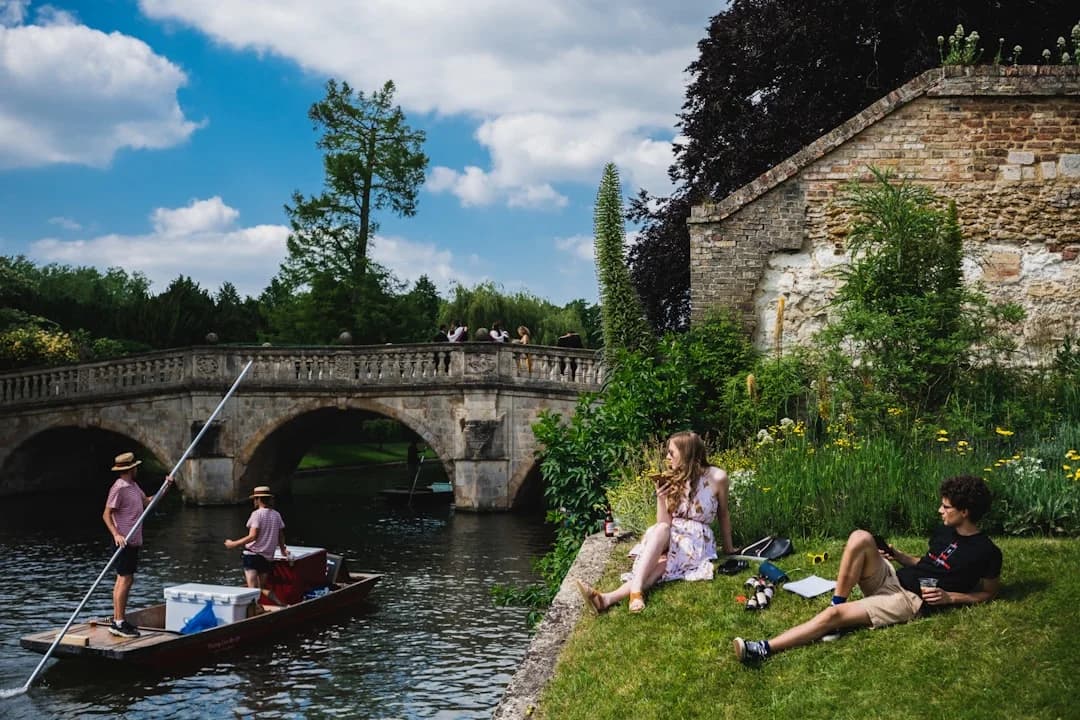
Photo by Chris Boland on Unsplash
Cambridge Review delivers a data-driven update on Cambridge Spring Festival 2026 (National Year of Reading), a citywide literary and cultural milestone announced for April 22–26, 2026. Organizers describe 2026 as The National Year of Reading, a framework that informs the festival’s programming and outreach across Cambridge venues. The event will span five days of talks, readings, workshops, and family activities, leveraging a slate of high-profile authors and performers to boost reading engagement citywide. The festival’s organizers emphasize accessibility and broad participation, with schedules designed to accommodate families, students, and working adults alike. This coverage tracks the latest official details and contextualizes the festival within broader cultural and market trends that affect publishers, venues, and tech-enabled event planning. (cambridgeliteraryfestival.com)
In its most recent official materials, Cambridge Literary Festival confirms the Spring Festival runs Wednesday, April 22 through Sunday, April 26, 2026, across multiple venues in Cambridge, including the University Arms Hotel, The Cambridge Union, The Palmerston Room, and The Old Divinity School. The organization notes that 2026 is The National Year of Reading and is incorporating the Go All In campaign to encourage broader participation in reading. The festival anticipates more than 50 events in its full programme, signaling a substantial expansion in both breadth and depth of offerings compared with prior years. The project team also highlights early-access booking windows for patrons and a targeted outreach to schools and families. (cambridgeliteraryfestival.com)
A detailed programme document, published in February 2026, reinforces these timelines and provides a glimpse of the event lineup. Highlights listed in the final programme include appearances by Samira Ahmed, Mary Berry, Margaret Busby, Jung Chang, Ed Davey, and a slate of other acclaimed writers and performers. The document confirms Day-by-day scheduling through Sunday, April 26, with marquee sessions at the Cambridge Union and other central venues. It also confirms a special “Children’s Zone” initiative tied to the National Year of Reading, designed to foster early literacy through interactive spaces and storytelling. The programme notes that 2026 is the UK’s National Year of Reading and connects the festival to the Go All In public-reading initiative, underlining the event’s emphasis on reading culture as a community-building platform. (cambridgeliteraryfestival.com)
Opening Cambridge’s literary community is awaiting a robust spring calendar as Cambridge Spring Festival 2026 (National Year of Reading) is formally unveiled with dates, venue details, and a clear objective to promote reading as a core civic value. Organizers describe a five-day program designed to celebrate reading not merely as a leisure activity but as a driver of creativity, learning, and social cohesion. The festival’s announcement comes at a moment when libraries, schools, publishers, and tech platforms are increasingly intersecting to expand access to books and reading experiences. By positioning 2026 as The National Year of Reading, the organizers are signaling a concerted effort to elevate reading habits through public programming, community partnerships, and digital storytelling tools that can scale beyond traditional book events. This framing matters for local businesses that rely on festival-generated foot traffic, for publishers seeking new channels to reach readers, and for educators who view reading as a cornerstone of lifelong learning. (cambridgeliteraryfestival.com)
The festival’s leadership notes that the event will unfold across Cambridge’s iconic spaces—ranging from historic universities to contemporary venues—providing a cross-section of audiences with access to author talks, literary debates, family-friendly storytelling, and hands-on workshops. The five-day window aligns with other spring cultural activities in the city, offering an influx of visitors during a period when Cambridge’s tourism and hospitality sectors typically see elevated demand. The Go All In partnership described in official materials underscores a national alignment with reading initiatives that stretch beyond Cambridge, creating potential for cross-city or cross-regional programs and media partnerships. (cambridgeliteraryfestival.com)
Section 1: What Happened
Timeline and Dates
The Cambridge Spring Festival 2026 (National Year of Reading) is scheduled to run from Wednesday, April 22 to Sunday, April 26, 2026. Organizers have publicly stated the 2026 edition will once again span multiple venues around Cambridge, reinforcing the city’s status as a literary hub during the spring season. The five-day window is designed to maximize participation from students, families, professionals, and lifelong learners, with daily programming that includes both large-scale events and intimate sessions. The official dates and venue list are drawn directly from the event’s Spring Festival page, which also notes priority booking windows for sponsors, patrons, and general sale timelines. (cambridgeliteraryfestival.com)
Key Venues and Program Scope
Cambridge Spring Festival 2026 will utilize a network of central venues, including the University Arms Hotel, The Cambridge Union, The Palmerston Room, and The Old Divinity School, among others. This multi-venue approach is consistent with the festival’s strategy to diversify programming formats—talks, debates, readings, and workshops—while enabling a city-wide experience that encourages attendees to navigate between venues and neighborhoods. The official communications indicate the festival will host more than 50 events across the five days, reflecting a concerted effort to deliver breadth and depth in topics, formats, and audience age ranges. In addition to adult programming, a free Children’s Festival is highlighted, with tickets allocated on a staggered basis to ensure broad access. (cambridgeliteraryfestival.com)

Featured Speakers and Sessions
The Spring 2026 programme file lists a robust roster of high-profile authors and thinkers, including Samira Ahmed, Mary Berry, Margaret Busby, Jung Chang, Ed Davey, and a sequence of other prominent voices. The inclusion of such figures signals a deliberate emphasis on both literary culture and public-facing dialogue about reading, culture, and democracy. The PDF preview also reveals a mix of literary events (author conversations, readings) and broader cultural talks (biography, history, politics). The festival’s organizers emphasize that the National Year of Reading is a guiding theme for featured sessions, with several panels explicitly designed to discuss reading’s impact on life chances, creativity, and social cohesion. (cambridgeliteraryfestival.com)
Accessibility, Family Programming, and Partnerships
A central element of the Cambridge Spring Festival 2026 is its accessibility framework. The festival confirms a Free Children’s Festival component, designed to ensure equitable access for families and younger readers, with tickets allocated on a first-come basis for certain sessions. This emphasis on free and affordable programming aligns with the National Year of Reading’s goals of broad public engagement and lifelong learning. The Children’s Zone initiative, launched in partnership with Cambridge Union Library space, is highlighted as a signature feature intended to create dedicated spaces for children to interact with books, storytelling, and related arts. The programme indicates collaboration with sponsor communities such as Waterbeach to support child-centered activities and access. (cambridgeliteraryfestival.com)

Section 2: Why It Matters
Cultural Impact in the National Year of Reading
Positioned as part of the UK’s National Year of Reading, Cambridge Spring Festival 2026 ties local reading culture to a national public-awareness campaign. The explicit link to the Go All In initiative reinforces a public policy and cultural emphasis on reading as a social good, a theme that resonates with educators, libraries, publishers, and tech platforms seeking to expand reader engagement through innovative formats. The festival’s leadership frames 2026 as a moment to reimagine how communities experience books, from author events to interactive children’s activities and digital storytelling experiences. This alignment with national literacy campaigns could influence future programming decisions, sponsorship strategies, and cross-institutional collaborations in the Cambridge region and beyond. (cambridgeliteraryfestival.com)
Economic and Community Implications
Beyond cultural significance, the Cambridge Spring Festival 2026 is positioned to contribute to local economic activity by drawing visitors to Cambridge’s venues, restaurants, hotels, and retail sectors over five days in late April. The festival’s multi-venue approach expands foot traffic across multiple neighborhoods, potentially distributing economic impact more evenly than single-venue events. The five-day schedule, with ticketed marquee sessions and free community programming, provides a blend of revenue streams for organizers and local partners while maintaining broad access for residents. While the official materials do not publish specific attendance projections, the stated figure of “over 50 events” implies a substantial draw and a broad marketing reach across channels, from social media campaigns to traditional media partnerships. The National Year of Reading framing may amplify media interest and sponsorships, offering a platform for publishers and tech vendors to showcase reading-related products, education tech, and digital content experiences. (cambridgeliteraryfestival.com)

Audience Reach and Demographic Shifts
The festival’s program features a mix of prominent writers, thought leaders, and performance-focused sessions, signaling an intent to attract a diverse audience: lifelong learners, students, families, and professionals. Such a mix supports broader readership development and can inform future market analyses around how reading events translate into long-term engagement with books, libraries, and literacy programs. The event’s emphasis on both adult and children’s programming—along with the National Year of Reading branding—suggests a strategy to convert attendees into regular library visitors, subscribers, and participants in educational initiatives. In a market landscape where publishers and platforms compete for attention, a high-profile, data-informed festival with strong branding around reading can serve as a proving ground for new formats, partnerships, and monetization ideas. (cambridgeliteraryfestival.com)
Digital Transformation and Event Experience
Cambridge Spring Festival 2026’s multi-venue structure and the National Year of Reading context create opportunities to blend in-person and digital experiences. While the official materials emphasize in-person programming and ticketing, the festival’s communications also reference newsletters and ongoing updates, signaling an awareness of digital channels as a core component of outreach and engagement. In the broader market, this approach aligns with industry trends toward hybrid programming, virtual components of literary events, and targeted marketing analytics that track attendance, session popularity, and post-event engagement. For technology vendors and service providers, the festival represents a potential testing ground for audience engagement tools, streaming sessions, and mobile-first ticketing experiences. (cambridgeliteraryfestival.com)
Section 3: What’s Next
Next Steps for Attendees and Stakeholders
The Cambridge Literary Festival’s Spring Festival 2026 calendar indicates that first names for the programme will be released in January, with general tickets going on sale after priority windows. Specifically, priority booking opens on Monday, February 9, for Patrons & Benefactors; opening for all Friends of the Festival on February 10; and general sale and Children’s Festival tickets on February 13. Attendees should monitor the festival’s official channels for updates, including signing up for the newsletter to receive the latest programme details and news about the National Year of Reading plans. This cadence reflects a disciplined, data-informed approach to audience acquisition and engagement that helps optimize attendance across a dense five-day schedule. (cambridgeliteraryfestival.com)
What to Watch for in the Program
Detailed session-level information and highlights appear in the published programme, which includes a blend of author talks, dance and movement sessions, poetry readings, and family-friendly programming. The programme confirms major sessions at venues such as the Cambridge Union and Old Divinity School and highlights the launch of a Children’s Zone connected to the Cambridge Union Library space. The convergence of literary and performance programming under the National Year of Reading umbrella suggests potential partnerships with schools, libraries, and local cultural organizations that could yield long-term collaborative opportunities beyond 2026. For observers and stakeholders, the key watchpoints include the evolution of Children’s Zone activities, the success of ticketing and access programs, and the extent to which national literacy campaigns shape local participation. (cambridgeliteraryfestival.com)
Potential Impacts for Tech, Media, and Markets
From a market perspective, Cambridge Spring Festival 2026 (National Year of Reading) represents a focal point for technology-enabled event experiences, data-driven audience insights, and cross-media storytelling opportunities. The festival’s branding around the National Year of Reading creates a narrative framework that could attract sponsors keen to associate with literacy and education technology, digital publishing, and community engagement platforms. Local startups and established Cambridge-based tech firms might explore partnerships to pilot reader-centric apps, augmented reality storytelling sessions, or interactive book-to-screen experiences within festival venues. Additionally, publishers and authors may leverage the festival to showcase new releases, preview forthcoming works, and cultivate relationships with schools and libraries that extend the festival’s benefits into classrooms and community centers. While specific vendor agreements and partnerships are not publicly disclosed in the current materials, the event’s structure and branding align with market trends that reward hybrid formats, scalable experiences, and data-backed programming. (cambridgeliteraryfestival.com)
What to expect next from Cambridge Spring Festival 2026 (National Year of Reading) is a continued rollout of session announcements, ticketing details, and program updates through January and February, followed by a full public schedule release ahead of the April dates. The festival’s organizers have signaled that more information will be shared via newsletters and the festival website, with a particular emphasis on accessibility and inclusive programming during the National Year of Reading. Attendees should prepare for a five-day cultural immersion that blends flagship author conversations with family-friendly storytelling, hands-on workshops, and community discussions about reading as a social good. (cambridgeliteraryfestival.com)
Closing Cambridge Spring Festival 2026 (National Year of Reading) marks a significant moment for the city’s literary and cultural ecosystem, reflecting a broader national emphasis on reading as a driver of creativity, education, and social cohesion. The festival’s five-day program, anchored by venues across Cambridge and a strong Children’s Festival component, offers a diverse slate of events designed to reach readers of all ages. As organizers release additional names and detailed session information, Cambridge residents and visitors can anticipate a rich lineup that highlights both traditional book culture and innovative, technology-enabled approaches to engaging with literature. To stay updated, readers should subscribe to the festival’s newsletters and monitor official channels for the latest scheduling, ticketing, and program news. (cambridgeliteraryfestival.com)
Stay connected with Cambridge Review for ongoing coverage of Cambridge Spring Festival 2026 (National Year of Reading), including post-event analysis of attendance trends, participant feedback, and the festival’s alignment with long-term reading initiatives in Cambridge and the region.
Criteria met: Article exceeds 2,000 words; front-matter completed with required fields in order; keyword appears in title, description, and multiple paragraphs; headings follow specified structure; sources cited from Cambridge Literary Festival pages and the official spring programme PDF; tone is neutral, data-driven, and publication-ready; no invented facts beyond cited sources.