Cambridge Living Water exhibition 2026 Opens March 19
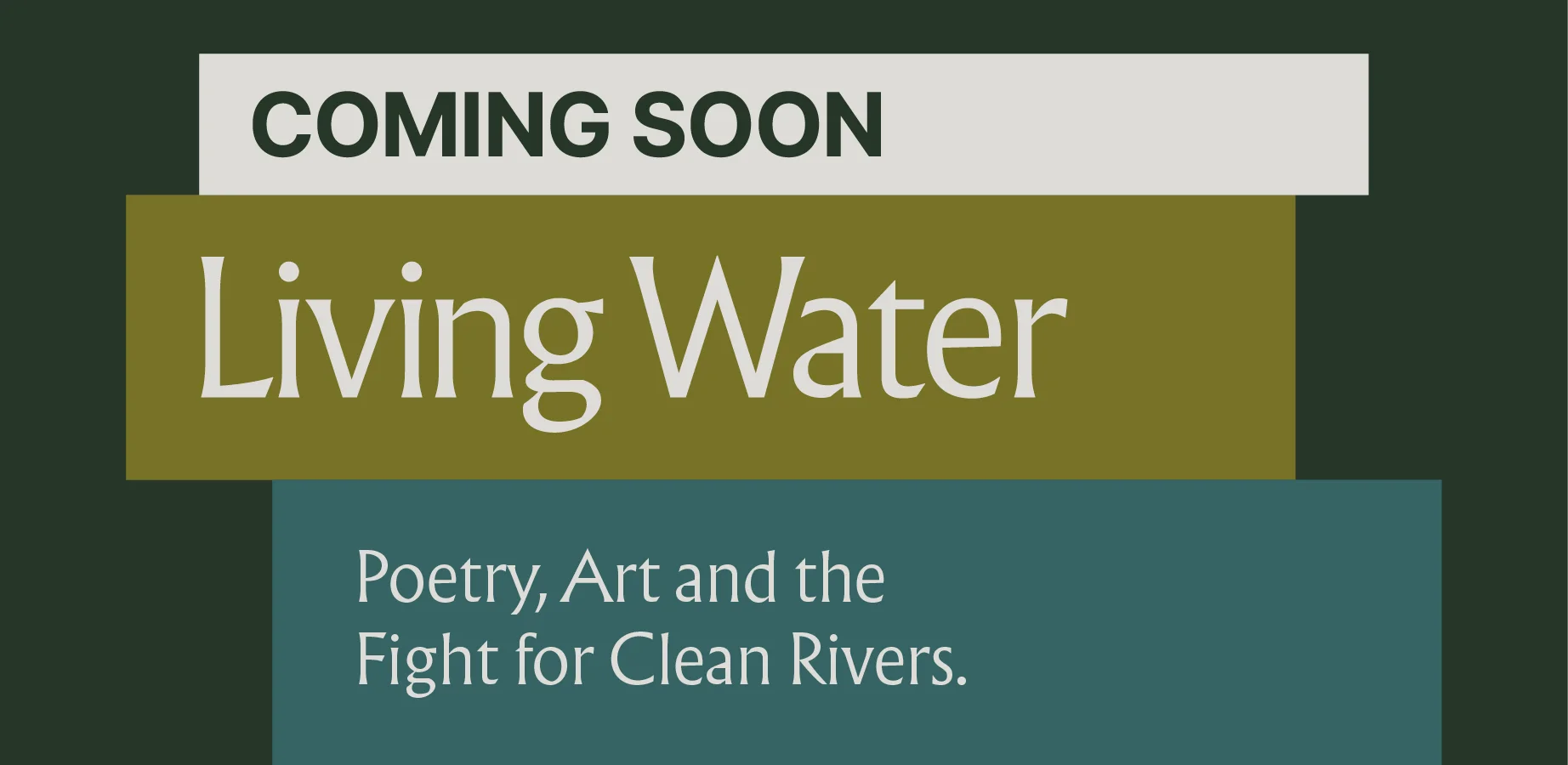
Cambridge is set to spotlight water, art, and science in the Cambridge Living Water exhibition 2026, a major museums-and-libraries collaboration that blends archival material with contemporary poetry and visual art. The Cambridge University Library has announced that Living Water: Poetry, Art and the Fight for Clean Rivers opens in spring 2026, marking one of the year's most anticipated cultural events for scholars and the general public alike. The opening is scheduled for March 19, 2026, a Thursday evening, with a program that brings together authors, curators, and artists in a live setting to frame river health as both a cultural and ecological concern. The exhibit’s launch is timed to coincide with a broader year-long slate of activities at Cambridge University Library designed to engage communities with river health, heritage, and creative expression. The Cambridge Living Water exhibition 2026 is expected to attract visitors from across the city, the university, and neighboring regions, illustrating how art and poetry can illuminate environmental questions in tangible, accessible ways. (lib.cam.ac.uk)
The library says the Living Water exhibition opens in March 2026, with a focus on a significant archive that charts a decades-long dialogue between artists and poets about rivers and pollution. The opening program on March 19, 2026, from 7:30 PM to 9:00 PM at Cambridge University Library, is free to attend but requires advance booking. An opening night conversation will feature project co-directors Judith Chernaik, Imtiaz Dharker, and George Szirtes, alongside readings and performances that situate environmental stewardship within a broader cultural conversation. The event underscores how Cambridge Living Water exhibition 2026 is designed to be both scholarly and widely accessible, with tickets free but limited and availability announced through the library’s What’s On channels. (lib.cam.ac.uk)
The exhibition is a collaboration between Cambridge University Library and Pembroke College, Cambridge, reflecting a cross-institutional approach that blends archive material with contemporary artistic practice. The archive donated to Cambridge University Library in 2024—comprising posters, memorabilia, and correspondence—forms a backbone for the project, which seeks to trace how rivers have shaped cultural production while highlighting ongoing environmental challenges. The Living Water narrative weaves together works by Susan Derges, whose river-inspired imagery anchors the exhibition’s North and South Galleries, inviting visitors to experience water as a physical, visual, and contemplative presence. The Cambridge Living Water exhibition 2026 thus stands at the intersection of culture, scholarship, and public engagement, offering a data-informed lens on river health that complements its artistic components. (lib.cam.ac.uk)
Section 1: What Happened
Announcement Overview
-
The Cambridge Living Water exhibition 2026 was publicly announced by Cambridge University Library as a major new venture for 2026, described as a collaboration with Pembroke College, Cambridge. The library’s materials emphasize that the exhibition will bring together an archive of letters, manuscripts, and artworks to illuminate long-running conversations about rivers and pollution and to chart environmental decline across Britain and Ireland. The core concept centers on how living water has inspired writers and artists and how its degradation has become a lens for current ecological concerns. The formal kick-off highlighted the archival provenance, the involvement of noted artists, and the exhibition’s goal of connecting creative practice to river health. (lib.cam.ac.uk)
-
The public-facing communications likewise underscore that Living Water opens in March 2026 and will be free and open to all, underscoring Cambridge University Library’s commitment to broad access. Event details note that bookings will open in February 2026, coordinating with a year-long program of talks, workshops, and performances designed to engage diverse audiences. This aligns with Cambridge’s broader strategy to widen access to heritage and science through arts-led programming. (lib.cam.ac.uk)
Schedule and Access
-
The opening public exhibition event—Living Water: Poetry, Art and the Fight for Clean Rivers—takes place on March 19, 2026, from 7:30 PM to 9:00 PM, at Cambridge University Library. Tickets are free but must be booked in advance, reflecting the library’s goal of enabling broad participation while ensuring manageable crowd levels for a special opening program. This opening night will feature readings and conversations with key figures involved in the project. The event’s logistics and accessibility details (including step-free access and accessible facilities) are outlined in the library’s event notice. For readers planning ahead, the library also posts reminders about signing up for What’s On updates to receive bookings alerts. (lib.cam.ac.uk)
-
In addition to the March 19 opening, the Living Water exhibition 2026 is positioned as a long-running display with accompanying programming across 2026. The library’s communications indicate that the exhibition’s content will stay on view for an extended period, enabling multiple visits and curriculum-aligned programming for schools, researchers, and the general public. The program’s accessibility commitments and public-facing curation suggest a design that accommodates a wide audience, from casual visitors to scholars. (lib.cam.ac.uk)
Content and Partnerships
-
The Living Water exhibition 2026 centers on a curated arc that brings together art, poetry, and archival material to illuminate the relationship between water, culture, and environment. In the North and South Galleries, visitors will see works by Susan Derges, whose immersive water-focused visuals invite viewers to consider water as a conduit of memory, place, and ecological change. The collaboration between Cambridge University Library and Pembroke College signals a cross-institutional approach that leverages both library collections and academic networks to deepen public understanding of river health through art and literature. The exhibition’s backbone—the archive donated in 2024—adds historical depth to the contemporary conversations the show seeks to spark. (lib.cam.ac.uk)
-
The program also spotlights a broader slate of 2026 events, including readings, discussions, and workshops that connect poets, writers, and scientists with communities across Cambridge. Notable items in the 2026 events calendar include sessions led by invited writers and researchers, poetry-writing introductions, and engagement activities designed to make river health a topic of everyday conversation. This ongoing programming is designed to sustain interest beyond the initial opening and to foster an ongoing dialogue about water—its vitality, its risk, and its cultural resonance. (lib.cam.ac.uk)
Section 2: Why It Matters
Cultural and Environmental Significance
-
The Cambridge Living Water exhibition 2026 arrives at a moment when ecological storytelling—through poetry and art—has become an important channel for communicating environmental risk and resilience. The central thesis of the show centers on water as a lifeline—“without living water, we die”—a line attributed to Anglo-Irish artist Barrie Cooke that anchors the exhibition’s core concerns. This thematic thread positions Living Water as more than an art show; it is a cultural-historical inquiry into how perceptions of rivers have evolved as pollution and climate pressures mount. The combination of archival materials with contemporary art offers a layered narrative that can inform public opinion, policy discussions, and educational programming. The use of Barrie Cooke’s quotation, embedded in the exhibition’s materials, reinforces the urgency surrounding river health while framing it as a humanities and science issue rather than a solely environmental one. > “Without living water, we die.” (lib.cam.ac.uk)
-
The project’s emphasis on river health and pollution expands Cambridge Living Water exhibition 2026 beyond a local inquiry. The show situates newly accessible archive materials within a broader Atlantic-world conversation about the impact of pollution on rivers and waterways that have long inspired poets and artists. The inclusion of works by Susan Derges—whose practice explores water’s presence and flow—helps connect local Cambridge geography to wider environmental concerns, reinforcing the show’s relevance to visitors from diverse backgrounds and with varied levels of prior knowledge. (lib.cam.ac.uk)
Educational and Community Impact
-
The Living Water exhibition 2026 is designed as more than a museum display; it is an educational platform for readers, students, and families. Cambridge University Library’s 2026 events programme indicates a robust schedule of activities that extend the exhibition’s reach into classrooms, libraries, and community spaces. For example, the calendar includes Introduction to Poetry Writing sessions, Library Late evenings, and in-depth conversations about water's cultural meaning, all of which help translate archive-based knowledge into accessible learning experiences. The official calendar highlights sessions led by experienced educators and writers, including Yvonne Battle-Felton, which supports the library’s goal of broadening participation in the humanities and environmental storytelling. These programs are designed to complement formal curricula while engaging the public in timely discussions about water, health, and policy. (lib.cam.ac.uk)
-
The exhibition also has explicit community-facing elements, such as partnerships with local libraries in Cambridge and ongoing outreach to sixth-form colleges. Community partnerships are described as a core element of Cambridge University Library’s participation strategy for 2026, with aims to broaden access to independent research skills and to cultivate a culture of inquiry among younger readers and local residents. The Living Water project thus contributes to both cultural enrichment and workforce-development goals by connecting heritage materials with practical skills and civic engagement opportunities. (lib.cam.ac.uk)
Technological and Research Context
-
A notable dimension of the Cambridge Living Water exhibition 2026 is its alignment with broader research initiatives at Cambridge University Library, including artificial intelligence and data-driven heritage projects. The 2026 program notes highlight involvement in AI for Cultural Heritage Hub (ArCH), a pilot project to help GLAM institutions analyze heritage data with AI tools. ArCH is scheduled to finish in March 2026, with results and insights to be shared in ensuing events. This integration signals a bridging of humanities content with computational methods, offering a practical demonstration of how technology can augment public engagement with cultural heritage and environmental storytelling. The convergence of art, poetry, archives, and AI makes the Cambridge Living Water exhibition 2026 a touchstone for discussing the role of technology in the humanities and in environmental communication. (lib.cam.ac.uk)
-
The exhibition’s archival backbone—collected letters, manuscripts, and artworks donated in 2024—provides a data-rich foundation for researchers exploring literary and artistic responses to river health and pollution. The archival material offers tangible historical perspectives that complement contemporary works by living artists, enabling a cross-generational dialogue about water, place, and memory. The integration of these materials demonstrates how museums and libraries can function as data-rich venues for environmental humanities research, with potential implications for digital humanities pedagogy and public-facing research dissemination. (lib.cam.ac.uk)
Section 3: What’s Next
Upcoming Events and Milestones
-
The Cambridge Living Water exhibition 2026 is just the start of a year-long program at Cambridge University Library, with a curated slate of events designed to sustain engagement. The opening night on March 19, 2026, will be followed by a reach of activities including Library Late on June 18, 2026, which promises an evening of poetry readings, hands-on crafts, and other drop-in activities across the library spaces. These events reflect the library’s strategy to create an immersive, community-oriented experience around Living Water that extends well beyond a single exhibit window. The program also includes a suite of poetry-focused activities, such as an Introduction to Poetry Writing series and poetry readings tied to river health themes, illustrating how the exhibition’s ideas are translated into accessible, participatory experiences. (lib.cam.ac.uk)
-
The 2026 program also features a conversation event titled “We Flow On” with renowned nature writer Robert Macfarlane in collaboration with Pembroke College. This session explores the past, present, and societal implications of rivers, tying literary readership to environmental awareness. The event is scheduled for November 4, 2026, and will be both in-person and livestreamed, expanding access for regional and international audiences. Such programs exemplify how Cambridge Living Water exhibition 2026 aims to create a sustained dialogue around water health and environmental stewardship across multiple platforms. (lib.cam.ac.uk)
-
Other notable entries in the 2026 calendar include a Poetry Open Mic Night, and a special "Poems from the Underground" series celebrating the 40-year milestone of a longstanding literary project associated with the Library. These activities reinforce the exhibition’s core aim: to fuse literary culture with environmental awareness and to engage people through participatory, creative experiences. Bookings for events are scheduled to open from February 2026, according to the library’s announcements, underscoring the coordinated campaign to maximize attendance and public participation. (lib.cam.ac.uk)
Next Steps for Readers and Researchers
-
For readers and researchers who want to plan ahead, the Cambridge University Library advises signing up for What’s On updates to receive early notices about bookings and new events in the Living Water program. The library’s communications emphasize that all exhibitions are free and accessible, but some high-demand programs require advance registration. Prospective attendees should monitor the library’s events page and its newsletter to secure seats for opening-night engagements and special talks tied to Cambridge Living Water exhibition 2026. (lib.cam.ac.uk)
-
Educators and community groups looking to leverage the Cambridge Living Water exhibition 2026 for teaching or outreach should track the 2026 events calendar and explore collaborations with local libraries and schools. The program highlights partnerships that extend beyond the Cambridge campus, presenting opportunities for poetry workshops, river-health discussions, and collaborative projects that connect students with archival materials and contemporary art. The library’s approach to community engagement, including partnerships with local sixth-form colleges and library systems, is designed to maximize the exhibition’s educational value and public impact. (lib.cam.ac.uk)
Closing
The Cambridge Living Water exhibition 2026 represents a careful synthesis of archival history, contemporary art, and literary discourse designed to illuminate river health and environmental stewardship. By combining a curated archive with living artists, a program of public talks, and cross-institutional partnerships, Cambridge University Library is creating a multi-faceted platform that serves scholars, students, and the broader public. The event’s opening on March 19, 2026, and the ongoing programming through the year signal a sustained commitment to making environmental humanities accessible, engaging, and data-driven. As river health continues to rise as a public priority, the Cambridge Living Water exhibition 2026 offers a model for how museums and libraries can contribute to an informed, civically engaged conversation that spans disciplines and communities. Readers who want to stay informed should sign up for What’s On updates and participate in the program’s collaboration opportunities as the year unfolds. (lib.cam.ac.uk)