Cambridge Literary Festival 2026 National Year of Reading
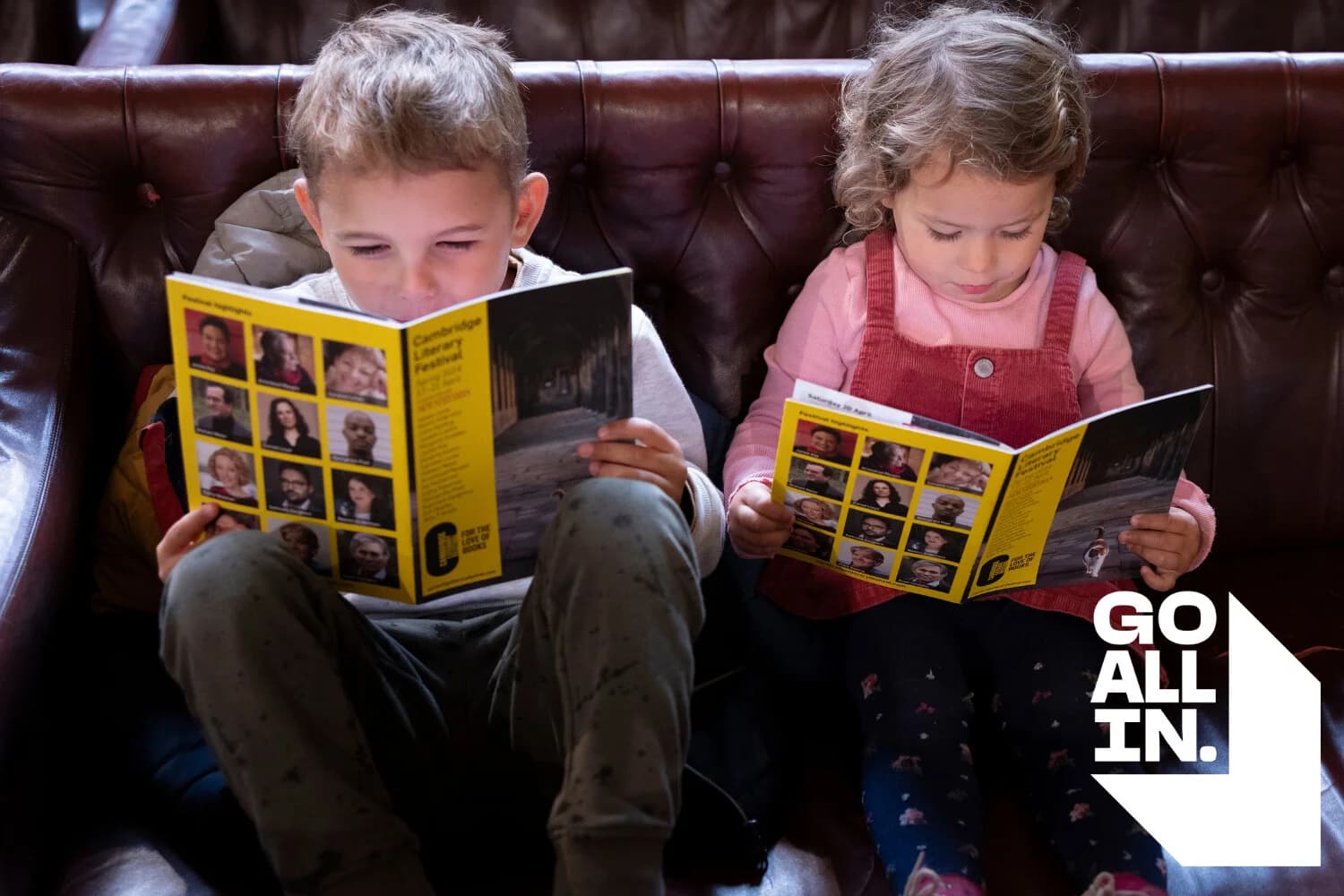
The Cambridge Review reports on a landmark alignment between a beloved regional festival and a national cultural initiative. The Cambridge Literary Festival 2026 National Year of Reading is set to anchor Cambridge’s spring calendar, translating a nationwide push to reimagine reading into a locally charged, data-informed event series. The Spring Festival is scheduled to run from April 22 to April 26, 2026, with venues scattered across the city—the University Arms Hotel, The Cambridge Union, The Palmerston Room, and the Old Divinity School serving as core hubs. This year’s festival is explicitly tied to 2026’s designation as The National Year of Reading, a government-backed campaign aimed at reigniting reading as a daily, integrated activity rather than a discrete hobby. The official Cambridge Literary Festival site states that the year will unfold across Cambridge and beyond, with the festival acting as a cultural touchstone for audiences who care about books, ideas, and the role of reading in everyday life. (cambridgeliteraryfestival.com)
From a planning perspective, the festival’s leadership has emphasized a data-driven approach to programming and audience outreach. The event schedule anticipates more than 50 activities across five days, underscoring a robust, multi-venue strategy designed to maximize reach within the Cambridge area while also exploring digital channels to complement in-person attendance. Priority booking opens Monday, February 9 at 10:00 a.m., with general sale following on Friday, February 13 at 10:00 a.m., and early-year notices promising first wave of speakers in January. The Cambridge Literary Festival’s public notices position the National Year of Reading as a central narrative for 2026, signaling both a thematic throughline and a concrete timeline for ticketing, programming, and partner engagement. (cambridgeliteraryfestival.com)
The national backdrop for this local growth is reinforced by the Go All In campaign, the official vehicle for the National Year of Reading 2026. The campaign frames reading as a flexible, culturally embedded activity—one that can accompany music, films, sports, food, and family life—rather than something confined to a classroom or library. The campaign is presented as a UK-wide initiative, led by a consortium of literacy charities and supported by more than 60 partners, including government-backed education bodies. Event calendars and partner networks are designed to translate policy into practice, with thousands of micro-moments across the year intended to normalize reading as part of everyday culture. The National Year of Reading campaign explicitly highlights its “Go All In” branding and social-media templates to encourage broad, cross-sector participation. (nationalyearofreading.org.uk)
Opening: The news, in brief
- The Cambridge Literary Festival 2026 National Year of Reading will run April 22–26, 2026, at multiple Cambridge venues (University Arms Hotel, Cambridge Union, Palmerston Room, Old Divinity School). (cambridgeliteraryfestival.com)
- The festival is billed as the local embodiment of the UK’s National Year of Reading 2026, a government-backed, culture-sector initiative designed to reframe reading as an everyday habit. (cambridgeliteraryfestival.com)
- Tickets go on sale in two waves: priority booking opens February 9, 2026, and general sale begins February 13, 2026; first speaker announcements are expected in January 2026. More than 50 events are planned, including a Free Children’s Festival supported by Waterbeach. (cambridgeliteraryfestival.com)
- The festival also leans into digital programming through the CLF Player and a dedicated National Year of Reading collection that curates past events for online viewing, aligning with the year-long campaign’s aim to broaden access and deepen engagement. (cambridgeliteraryfestival.com)
- National Year of Reading is supported by a broad coalition, including the Department for Education, and is positioned as a nationwide effort to make reading more accessible, enjoyable, and relevant to diverse audiences. (nationalyearofreading.org.uk)
Section 1: What Happened
Official framing of the year and festival dates
- The Spring Festival 2026 schedule confirms the Cambridge Literary Festival’s central role in marking the National Year of Reading within Cambridge’s cultural calendar. The event will span April 22–26, 2026, across venues that have historically hosted high-profile literary conversations, including the University Arms Hotel, The Cambridge Union, The Palmerston Room, and the Old Divinity School. The organizers explicitly frame 2026 as The National Year of Reading, signaling a year-long, city-scale, cross-venue approach to reading advocacy. First wave speaker announcements were anticipated in January, with tickets going on sale across a staged process beginning February 9. Over 50 events are expected in the full program. (cambridgeliteraryfestival.com)
Timeline, ticketing, and access
- The festival’s ticketing timeline is structured to accommodate early access for patrons, with priority booking opening on February 9 and general sale on February 13, 2026. The organizers also emphasize equal access via a Free Children’s Festival, which is designed to ensure broad participation of families and younger readers. Waterbeach is noted as a sponsor supporting the Children’s Festival, highlighting the event’s commitment to community partnerships and local philanthropy. These operational details illustrate a careful balance between crowd management, accessibility, and monetization; a practical reflection of how modern festivals operate at the intersection of culture and commerce. (cambridgeliteraryfestival.com)

Program breadth and digital expansion
- The Spring Festival will feature more than 50 events, signaling a dense program that blends in-person talks, readings, workshops, and family programming. The breadth of events also suggests a deliberate strategy to attract a wide cross-section of readers, including children, students, families, academics, and casual readers. In addition to live events, the festival has integrated a digital layer through the CLF Player and the National Year of Reading collection. The CLF Player has already showcased a track record of digital content, including the Winter Festival 2025 collection, with a path for future online access through a subscription model. This approach aligns with broader trends in the literary festival world, where hybrid formats extend reach beyond the physical city. (cambridgeliteraryfestival.com)
- The National Year of Reading collection is a central piece of this digital strategy. It will rotate content over the year, offering audiences ongoing access to curated talks and performances relevant to the National Year of Reading’s mission. The CLF emphasizes that the collection will evolve throughout 2026 to present new authors, topics, and conversations as part of the UK-wide campaign. This digital strategy complements Cambridge’s live festival program and demonstrates how local cultural institutions are integrating national campaigns into their content plans. (cambridgeliteraryfestival.com)
National Year of Reading in Cambridge: context and partnerships
- Cambridge’s festival aligns with Go All In’s national narrative, a Department for Education initiative supported by more than 60 partners. The campaign is designed to “bring reading closer to culture” by embedding reading into everyday activities—from playlists to family routines—across multiple sectors. The partnership model, public-facing campaign calendar, and emphasis on “thousands of moments” of reading highlight a macro-level strategy to shift cultural norms around reading. This alignment is particularly relevant in Cambridge, a city with a strong academic and literary heritage, where festival programming can serve as a catalyst for broader literacy initiatives and market opportunities in publishing, education, and media. (nationalyearofreading.org.uk)

Notable cross-channel coverage and national context
- National Year of Reading has attracted high-profile support, including statements from ministers and prominent authors. The Guardian reported on Malorie Blackman’s endorsement of the campaign, framing it within government literacy programs and library investments. The article also notes the national launch that included a high-profile event at the Emirates Stadium in London and underscores concerns about reading engagement among young people, based on National Literacy Trust data. These national-level developments provide context for Cambridge’s local programming and underscore the market dynamics around reading campaigns in the UK. (theguardian.com)
Section 2: Why It Matters
Cultural and educational significance
- The Cambridge Literary Festival’s integration with the National Year of Reading is more than a ceremonial alignment; it positions reading as a cultural habit with cross-sector appeal. The Go All In campaign frames reading as an everyday, joyful activity that can accompany diverse interests. This reframing matters for libraries, schools, publishers, and cultural venues because it invites partnerships that extend the reach of reading programs beyond traditional literacy campaigns. The UK-wide emphasis on embedding reading in daily life—and not just within library walls—has implications for how communities allocate resources, design programming, and measure impact. The National Year of Reading’s emphasis on accessibility, inclusion, and varied formats is particularly relevant for a city like Cambridge, where a dense academic ecosystem intersects with a broad public audience. (nationalyearofreading.org.uk)
Market, economics, and audience dynamics
-
From a market perspective, the Cambridge Spring Festival’s 2026 edition—anchored by the National Year of Reading—poses opportunities across several dimensions. First, a 50+-event program creates a sizable footprint in the local economy, driving foot traffic to partner venues, bookstores, cafes, and lodging providers during the festival window. The festival’s multi-venue approach expands the city’s cultural infrastructure, reinforcing Cambridge as a center for literary discourse and experiential events. This, in turn, can influence local hospitality, nightlife, and retail activity, aligning with typical economic spillovers seen when major arts events take place in university towns. The festival’s explicit schedule and ticketing cadence suggest a data-informed approach to audience demand, a trend increasingly common in cultural markets that rely on pre-registration, tiered access, and digital ticketing analytics to optimize capacity and revenue. (cambridgeliteraryfestival.com)
-
On the digital front, the CLF Player and the National Year of Reading collection reflect a broader shift in how festival content is consumed and monetized. The Winter Festival 2025 content already demonstrates the viability of paid on-demand access to high-profile talks, a model that local festivals are expanding to meet reader and viewer preferences for flexible consumption. By layering online access with live attendance, Cambridge’s festival is aligning with market expectations around hybrid experiences, long-tail content, and subscription-based revenue streams that complement traditional ticket sales. This convergence of live and digital formats is a key trend shaping the economics of literary festivals in 2026 and beyond. (cambridgeliteraryfestival.com)
Public sentiment, accessibility, and inclusion
- The National Year of Reading campaign emphasizes accessibility and inclusion as core tenets. The Guardian coverage highlights concerns about reading enjoyment among youth and emphasizes the campaign’s aim to balance “appeal, not duty” with practical steps—such as parental engagement and shared reading in early years settings—to foster a sustainable reading habit. Cambridge’s own festival design—featuring a Free Children’s Festival, sponsor-supported family programming, and a digital collection designed to reach remote audiences—reflects these broader objectives. In a climate where digital access and equitable participation are increasingly prioritized, Cambridge’s approach offers a blueprint for how a regional festival can contribute to national literacy goals while delivering measurable community value. (theguardian.com)
Strategic alignment with national priorities
- The National Year of Reading’s government backing and its emphasis on “Go All In” branding create a strategic ecosystem in which local festivals can play a catalytic role. By positioning Cambridge as a micro-ecosystem that mirrors national priorities—reading as an everyday, shared cultural practice—the festival can attract diverse stakeholders, including local businesses, schools, libraries, and media partners. The partnership model and the reliance on a coordinated calendar (What’s On, calendar of events, and digital collections) help ensure that Cambridge’s programming remains aligned with national messaging while adapting to local needs and interests. This alignment is especially important for publishers, tech providers, and cultural intermediaries who are exploring new revenue streams and audience-building strategies in a post-pandemic cultural market. (nationalyearofreading.org.uk)
Implications for technology and audience engagement
- The Cambridge Literary Festival’s embrace of digital channels—especially the CLF Player and the National Year of Reading collection—places it at the intersection of technology and culture. In an era where streaming, on-demand access, and social sharing shape how people discover and engage with literary content, Cambridge’s approach offers several takeaways:
- Hybrid experiences can expand audience reach beyond geographic constraints, enabling younger demographics and remote readers to participate in conversations they value.
- Curated digital collections anchored to a national initiative help sustain momentum across months, turning a week-long festival into a year-long conversation about reading, learning, and personal growth.
- Partnerships with government-backed literacy campaigns can unlock co-funding and policy support, creating a more resilient foundation for long-term program development.
- Data-informed programming—tracking attendance, engagement, and digital viewership—can support more precise forecasting and targeted outreach in future editions. In short, Cambridge’s 2026 program embodies a broader industry shift toward hybrid, data-driven, and mission-aligned festival models that balance social value with financial sustainability. (cambridgeliteraryfestival.com)
Section 3: What’s Next
Immediate milestones and calendar watchpoints
-
January 2026 is expected to bring the first wave of speaker announcements for the Cambridge Literary Festival 2026 National Year of Reading, signaling the opening of the festival’s public narrative for the year. This aligns with the organizers’ plan to release first names in January and to begin ticket sales in February. Stakeholders should monitor CLF’s communications and newsletters for updates about guest selections, program highlights, and any late-breaking changes to venue assignments or scheduling. (cambridgeliteraryfestival.com)
-
February 9, 2026, marks the start of priority booking at 10:00 a.m., followed by general sale on February 13 at 10:00 a.m. These dates are critical for readers and organizations planning collaborations, school trips, and community group bookings. The festival’s multi-venue format requires effective planning to optimize seat availability, especially for popular events that tie into the National Year of Reading’s broader themes. (cambridgeliteraryfestival.com)
-
April 22–26, 2026: The Spring Festival unfolds across Cambridge’s venues, with a schedule designed to maximize participation and cross-pollination of ideas. Attendees should expect a packed five-day program that builds on the National Year of Reading’s objectives—promoting reading as a living, social activity, and not merely a formal or academic pursuit. The presence of a Free Children’s Festival and sponsor involvement signals ongoing opportunities for schools, families, and community groups to engage with authors, illustrators, and literacy advocates. (cambridgeliteraryfestival.com)
What to watch for in the months ahead
-
Digital expansion and access trends: The CLF Player and National Year of Reading collection will likely be central to the festival’s strategy, offering curated talks from past events and new, exclusive digital content. The model provides a way to measure audience engagement beyond attendance and ticket sales, offering data points on view counts, watch times, and subscriber activity. Observers should watch for changes in CLF’s digital catalog, new episodes in the National Year of Reading collection, and potential partnerships offering streaming or on-demand rights to select festival talks. (cambridgeliteraryfestival.com)
-
Partnerships and sponsorships: The National Year of Reading campaign’s expansive partner network suggests that Cambridge’s festival could see new collaborations with libraries, schools, and literacy-focused organizations. As Go All In continues to publish updates on partners and events, Cambridge may announce renewed or expanded partnerships that amplify both the festival’s reach and its impact on local literacy activity. (nationalyearofreading.org.uk)
-
Economic and social impact measurements: With a 50-event schedule and a significant digital component, the festival provides a natural case study for the economic impact of literary festivals in university towns. Cambridge’s local businesses may monitor attendance trends, hotel occupancy, and ancillary spending during the festival period, while researchers could explore the social value of reading-centered events—how communities engage with authors, workshops, and youth programs during an era of growing digital consumption. (cambridgeliteraryfestival.com)
Next-step actions for readers and stakeholders
-
Subscribing to festival updates: The Cambridge Literary Festival’s newsletters and the CLF Player offer practical channels to stay informed about first-name announcements, program highlights, and ticketing changes. Attendees and civically engaged groups should consider subscribing to ensure timely information and priority access. (cambridgeliteraryfestival.com)
-
Engaging with the National Year of Reading calendar: The official Go All In calendar provides a nationwide beacon for reading-related events and campaigns. For local stakeholders, aligning with national dates and themes can help maximize attendance and cross-promotional opportunities, particularly for schools and youth organizations. (nationalyearofreading.org.uk)
-
Leveraging CLF’s digital collection: The National Year of Reading collection’s ongoing evolution means that residents can access past talks and performances, enabling year-round engagement with Cambridge’s literary community. This approach also offers a template for other regional festivals seeking to sustain momentum between live events. (cambridgeliteraryfestival.com)
Closing
- The Cambridge Literary Festival 2026 National Year of Reading represents a meaningful convergence of local cultural leadership and national literacy policy. By weaving a multi-venue live festival with a city-wide digital strategy and a national go-to narrative, Cambridge is positioning itself at the forefront of a more accessible, inclusive, and technologically integrated festival ecosystem. The festival’s dates, venues, and ticketing timeline establish a clear path for audiences, schools, and partners to participate in a year-long conversation about reading’s role in daily life. As Go All In advances its cross-sector messaging and the CLF expands its digital offerings, Cambridge’s spring event is likely to offer not only a compelling slate of literary programming but also a practical blueprint for how regional festivals can harness national campaigns to maximize reach and impact. Readers, scholars, and cultural professionals alike should monitor CLF’s official channels, Go All In updates, and national press coverage to track how this pivotal year unfolds in Cambridge and beyond. (cambridgeliteraryfestival.com)