Cambridge Folk Festival 2026 revamp: City-wide plan unveiled

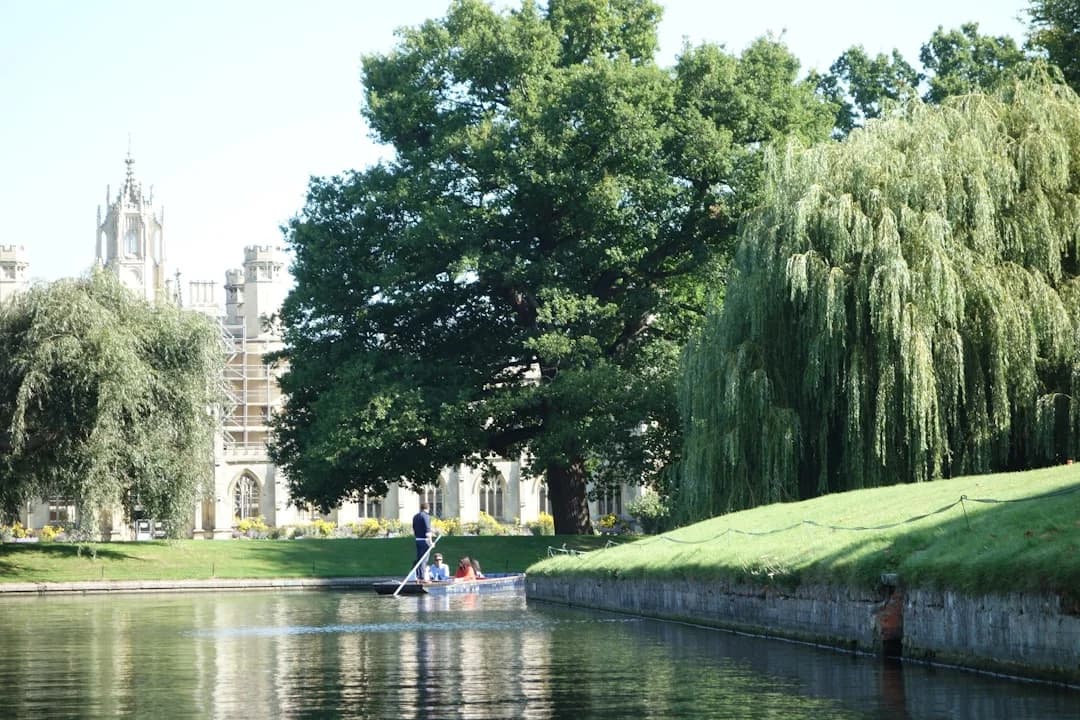
Photo by Arthur Tseng on Unsplash
The Cambridge Folk Festival 2026 revamp signals a major pivot for one of the UK’s most enduring folk traditions. Cambridge City Council announced a refreshed approach aimed at preserving the festival’s independent, grassroots roots while expanding access and financial resilience. The plan is set to bring the festival back in 2026 with a city-wide, multi-venue format that extends beyond Cherry Hinton Hall, the festival’s historic home, to include venues across Cambridge. The move comes after 2025’s disruption and a formal decision to relaunch in 2026, underscoring both the cultural importance and the economic realities facing large-scale folk events today. This development matters not only for attendees and artists, but for local venues, sponsors, and the broader cultural economy of Cambridge. The Cambridge Folk Festival 2026 revamp is designed to balance heritage with innovation, ensuring the festival remains financially sustainable while widening its audience reach and reducing environmental impact. (cambridge.gov.uk)
In a broader sense, the plan reflects a growing trend among legacy festivals to adopt hybrid, city-wide formats that leverage multiple venues and extended calendars. Cambridge’s approach mirrors successful multi-venue models used by Celtic Connections in Glasgow and similar formats in other cities, which allow organizers to scale capacity in response to demand while distributing economic benefits across a wider network of partners. The objective is to protect what makes Cambridge Folk Festival special—its community ethos and high-caliber programming—while building a more inclusive and financially resilient platform for artists and fans alike. The city’s leadership emphasizes that the revamp is as much about environmental sustainability as it is about access and affordability, aiming to create a sustainable blueprint for the festival’s next 60 years. (cambridge.gov.uk)
Opening The Cambridge Folk Festival 2026 revamp is set to transform how Cambridge experiences its iconic summer event. In a formal announcement, Cambridge City Council outlined a new, city-wide, multi-venue format designed to reach broader audiences and support local venues and promoters. The plan includes keeping Cherry Hinton Hall as the festival’s anchor while introducing a scaled-back, two-day outdoor weekend, complemented by concerts and events across Cambridge during the week leading up to and around the Cherry Hinton weekend. The revamp aims to deliver an affordable, inclusive festival experience that can adapt to changing market conditions while preserving the essence of Cambridge’s folk heritage. This news is especially consequential for attendees who previously planned trips around Cherry Hinton Hall, for local businesses that benefit from festival tourism, and for emerging artists who rely on Cambridge as a platform for exposure. The Cambridge Folk Festival 2026 revamp, as announced by the council, marks a watershed moment in the event’s long history, balancing tradition with growth in a challenging funding and attendance environment. (cambridge.gov.uk)
Section 1: What Happened
Announcement and format shift
In July 2025, Cambridge City Council disclosed a plan to relaunch Cambridge Folk Festival in 2026 with a refreshed, citywide, multi-venue format. The announcement described a move away from the festival’s prior model toward a more inclusive, affordable structure that spreads activity across multiple venues while preserving the core Cherry Hinton Hall weekend as its heart. This shift was framed as a response to rising infrastructure costs, broader economic pressures, and a desire to broaden access to folk and roots music across the city. The council’s messaging emphasized remaining faithful to the festival’s independent, grassroots roots even as it expanded its footprint. The formal wording and framing were presented in mid-2025 as a foundational step toward the 2026 return. (cambridge.gov.uk)
“The Cambridge Folk Festival is about to enter a new and important chapter in its long history,” the council stated, highlighting a broader city reach while aiming to protect what makes the festival special. The plan seeks to balance accessibility with sustainability and cultural impact as it scales to meet contemporary festival demand. (cambridge.gov.uk)
Timeline milestones and decision points
The pathway to the Cambridge Folk Festival 2026 revamp unfolded over several months, with decisive moments that shaped planning and outreach. A cabinet meeting on July 15, 2025, formally approved the refreshed format and signaled the council’s commitment to a phased rollout that would culminate in a first wave of announcements before the 2026 season. The timeline reflects a deliberate, consultative approach, incorporating feedback from core audiences, regional folk clubs, industry professionals, and external consultants. The council’s commitment to a staged process aimed to ensure a robust program across venues while maintaining a festival heartbeat at Cherry Hinton Hall. The official plan also notes a fallow year in 2025 designed to sustain the festival’s infrastructure and community, with ongoing activities to support emerging artists and local folk initiatives during that interim period. (cambridge.gov.uk)

Core components of the revamp
Several structural elements define the Cambridge Folk Festival 2026 revamp. First, Cherry Hinton Hall remains central as the anchor venue for the festival weekend, but with a reformatted, two-day outdoor focus and a more basic camping offering to reduce costs and environmental impact. Second, the festival’s footprint expands across Cambridge through a city-wide schedule featuring concerts at the Cambridge Corn Exchange and additional city venues throughout the week surrounding the Cherry Hinton Hall weekend. Third, the plan anticipates scalable capacity, allowing the festival to grow or contract in response to demand and market conditions. Fourth, the initiative emphasizes inclusivity and affordability to broaden access for families, young people, and first-time attendees. Finally, the program includes a commitment to supporting emerging talent, including opportunities through the Christian Raphael Prize, and a continued emphasis on showcasing local folk artists alongside international names. These elements were articulated as part of the city’s broader aim to deliver a financially resilient, environmentally sustainable, and culturally expansive Cambridge Folk Festival 2026 revamp. (cambridge.gov.uk)
Headliners and core scheduling information
As part of the public-facing rollout, headliners and major dates for 2026 were announced in late November 2025. The plan confirms a central Cherry Hinton Hall weekend on August 1–2, 2026, described as the festival’s core event with two full days of live performances and an optional camping experience. In addition, concerts are slated for the Cambridge Corn Exchange on July 25–26, with additional city venues hosting events during the week beginning July 27. The Cambridge Music Summer School is scheduled for July 27–30, culminating in a finale performance on August 1 during the Cherry Hinton Hall weekend. The organizers highlighted a diverse lineup with three international headliners and a program that includes a dedicated Club Corner and a roving street performance area. Pricing for the first release tickets includes adults at £60 for day tickets and £120 for weekend tickets, with concessions and free provisions for children (0–13) as part of the packages. The price structure is designed to promote accessibility while sustaining program quality. These details reflect the council’s objective to balance opportunity with financial viability and reflect a broader city-wide approach to festival delivery. (cambridge.gov.uk)

Context and background to the revamp
The Cambridge Folk Festival has a storied history dating back to 1965, renowned for its contributions to the UK folk scene and for launching and supporting emerging artists. The 2020s presented a set of challenges common to many large-scale festivals, including rising costs and shifts in attendance, which the council publicly acknowledged in the lead-up to the 2026 relaunch. The decision to pursue a multi-venue, city-wide strategy follows a broader trend in which festivals seek greater financial resilience while maintaining artistic integrity and audience engagement. By integrating multiple venues, the plan aims to deliver more frequent opportunities to experience folk music across Cambridge and to share economic benefits with a broader community of venues and promoters. The strategy is consistent with aims to protect the festival’s independence and community ethos even as it expands to meet changing market dynamics. (cambridge.gov.uk)
Section 2: Why It Matters
Access, affordability, and audience growth
A central rationale for the Cambridge Folk Festival 2026 revamp is to make the event more accessible and affordable while broadening its audience base. The multi-venue approach allows for varied pricing, expanded scheduling, and a weekend core that remains within Cherry Hinton Hall, while simultaneously offering week-long programming at venues across the city. By distributing events across multiple sites, the festival can tap into different neighborhoods, demographics, and transportation patterns, reducing barriers for families and younger audiences while preserving the festival’s family-friendly ethos. The pricing structure announced for the Cherry Hinton Hall weekend—alongside city-wide events with lower or flexible price points—illustrates a deliberate attempt to diversify the attendee mix and broaden the festival’s cultural reach. Such a model can help stabilize attendance in a year-to-year market that has shown volatility for live events. (cambridge.gov.uk)

Economic impact and city-wide benefits
The plan explicitly references a broader distribution of economic benefits across Cambridge, not only concentrating activity in a single venue. By engaging multiple venues—including the Cambridge Corn Exchange and other city spaces—the festival aspires to drive tourism, hospitality, and local business revenue across a wider geographic footprint. This aligns with the city’s broader strategy of using cultural events to stimulate local economies while diversifying the cultural portfolio across the year. The multi-venue format is designed to be scalable, enabling the festival to expand or contract in response to demand and financial conditions, a feature that could help Cambridge weather broader economic uncertainties affecting the live events sector. The emphasis on sustainability and affordable access reinforces the idea that the festival’s economic benefits should be felt by a broad cross-section of the community. (cambridge.gov.uk)
“The past few years have been particularly challenging across the whole industry, and sadly, our Festival has felt this too,” one council statement noted, underscoring the necessity of a more resilient structure. This sentiment frames the revamp as not only a cultural investment but a careful financial recalibration aimed at protecting Cambridge’s festival heritage for future generations. (cambridge.gov.uk)
Cultural vitality, talent development, and community engagement
A feature of the Cambridge Folk Festival 2026 revamp is a renewed focus on talent development and community engagement. The Christian Raphael Prize, which provides financial support and industry exposure to emerging artists, remains a prominent part of the program. By promoting local talent alongside international headliners, the festival continues its tradition of nurturing new voices within a high-profile platform. The city’s approach also includes engagement with local folk clubs, promoters, and schools, seeking to embed the festival into Cambridge’s broader cultural ecosystem rather than confining it to a single weekend. In this sense, the revamp aligns with a broader movement in the arts to create continuous, year-round cultural activity that sustains momentum between flagship events. (cambridge.gov.uk)
Environmental and sustainability considerations
Environmental sustainability figures prominently in the new plan. By distributing programming across multiple venues and adopting a more compact camping option, organizers aim to reduce the festival’s overall environmental footprint. This is consistent with a growing expectation among festival-goers and local authorities that large-scale cultural events should demonstrate responsible resource use, waste management, and transportation planning. The city’s statements emphasize an environmentally sustainable framework as part of the revamp, signaling an acknowledgment that cultural events now face heightened scrutiny regarding sustainability metrics and community impact. While precise metrics for emissions reductions or waste targets are not detailed in the public announcements, the stated goals position Cambridge Folk Festival 2026 revamp within a broader sustainability trend among major festivals. (cambridge.gov.uk)
Historical context and continuity
The Cambridge Folk Festival has long stood as a symbol of independence and grassroots energy in the folk scene. The revamp is framed as a continuation of that ethos, not a departure from it. Councillors describe the plan as a careful evolution designed to sustain the festival’s core values while addressing evolving economic realities. The decision to maintain the Cherry Hinton Hall anchor—along with a renewed emphasis on inclusive access and city-wide partnerships—reflects a balance between heritage and modernization. Community members, artists, and local organizations have voiced strong attachment to the festival’s legacy, and the new format is positioned as a way to preserve that legacy by expanding the festival’s reach and longevity. This balancing act—preserving roots while enabling growth—sits at the heart of the Cambridge Folk Festival 2026 revamp. (cambridge.gov.uk)
Public reaction and media coverage
Media coverage of the revamp has framed it as a significant, forward-looking reimagining of a longstanding cultural institution. The city council’s communications emphasize inclusivity, affordability, and resilience as pillars of the new model, while coverage from national outlets has highlighted the festival’s historical importance and the challenges that led to the 2025 cancellation of the standalone event. This combination of local policy framing and broader media attention helps set expectations for a phased, community-informed rollout in 2026. Readers should anticipate ongoing updates as venues finalize contracts, artists are confirmed, and ticketing details are refined for the new format. (cambridge.gov.uk)
What this means for attendees, artists, and partners
For attendees, the revamp promises greater opportunities to experience folk music across Cambridge, with a core weekend at Cherry Hinton Hall and flexible options for week-long engagement. For artists, the expanded network of venues offers increased performance opportunities and potential for broader exposure, particularly for local and emerging acts who have historically benefited from Cambridge’s vibrant folk scene. For partners—venues, promoters, and sponsors—the city-wide model presents a larger ecosystem in which to collaborate, share resources, and align marketing and community outreach efforts. The plan also opens avenues for cross-promotional activities with local businesses and educational initiatives, such as the Summer School, which complements the weekend performances with workshop-based programming. The overall effect, if realized as envisioned, would be a more robust, inclusive, and sustainable festival that preserves its distinctive voice while aligning with contemporary expectations for accessibility and environmental responsibility. (cambridge.gov.uk)
Section 3: What’s Next
Immediate steps and next milestones
Looking ahead, the Cambridge Folk Festival 2026 revamp will proceed through a series of planned steps designed to build momentum and finalize program details. The council has signaled that more details will be announced over the coming months, with further ticketing information, artist confirmations, and venue contracts to be released as they are secured. The plan to present updates in the months following the July 2025 cabinet decision implies a multi-stage rollout, including additional community engagement, stakeholder briefings, and potential opportunities for input from audience groups and local arts organizations. In practical terms, readers should expect current-year announcements to evolve into a full festival schedule with concrete timings, stages, and capacity planning as organizers balance demand with affordability and sustainability goals. (cambridge.gov.uk)
Ticketing, pricing, and access details
The headlining announcement for 2026 highlighted a tiered pricing structure intended to balance affordability with the financial realities of running a major festival. First-release tickets for the Cherry Hinton Hall weekend went on sale with specific price points: adults £60 for day tickets and £120 for weekend passes; concessions and children’s tickets were structured to support family access and broader participation. While prices may be adjusted during subsequent sales windows, the initial pricing signals a deliberate attempt to keep the festival accessible to a broad cross-section of residents and visitors, while maintaining the financial viability necessary to sustain high-caliber programming. Prospective attendees should monitor official channels for updated pricing, payment plans, camping options, and transport and parking guidance as the event’s logistics firm up. (cambridge.gov.uk)
The broader calendar and how it fits into Cambridge’s cultural calendar
The Cambridge Folk Festival 2026 revamp sits within a broader calendar of city events that the council has been cultivating to sustain year-round cultural activity. The city’s plan to stage additional folk and roots events in venues across Cambridge during the week surrounding the Cherry Hinton Hall weekend is designed not only to broaden the festival’s reach but to maintain cultural momentum throughout the year. By partnering with local clubs, promoters, and educational programs, the festival’s extended schedule aligns with Cambridge’s broader cultural strategy to maximize community engagement and economic impact through the arts. This approach reflects a growing recognition that the vitality of a city’s cultural scene depends on a continuous pipeline of events that connect residents with artists, spaces, and opportunities to participate. (cambridge.gov.uk)
Risks, challenges, and contingencies
No major cultural event is without risk, and the Cambridge Folk Festival 2026 revamp faces a set of plausible challenges. Key uncertainties include the pace of venue contracts, the ability to attract a broad slate of performers across multiple venues, and the integration of a week-long program with a two-day Cherry Hinton Hall weekend in a way that remains both financially viable and logistically manageable. Additionally, pricing and accessibility must remain aligned with the target audiences to avoid inadvertently narrowing participation. The council’s emphasis on consultation and scalable formats is intended to mitigate these risks by allowing adjustments to be made as the rollout proceeds. Observers should expect updates on attendance projections, sponsorship strategies, and environmental performance metrics as the festival enters its final planning stages. (cambridge.gov.uk)
Closing
The Cambridge Folk Festival 2026 revamp represents more than a simple format refresh; it embodies a deliberate attempt to protect a cherished cultural institution while adapting to contemporary economic and logistical realities. By extending the festival across multiple venues, preserving the Cherry Hinton Hall core, and grounding decisions in community input and sustainability, Cambridge is aiming to create a more resilient, inclusive, and future-facing event. As organizers continue refining the program, fans and local stakeholders should stay tuned for further announcements, including artist lineups, exact scheduling, and ticketing windows. For ongoing updates, the Cambridge City Council’s official channels and the festival’s own communications remain the best sources for timely, authoritative information. (cambridge.gov.uk)
References and background
- Cambridge Folk Festival to return in 2026. Cambridge City Council, January 17, 2025. This page provides the official confirmation of the 2026 return and context about prior years and ongoing community initiatives. It frames the revamp as a crucial evolution of the festival’s legacy. (cambridge.gov.uk)
- A revitalised and evolved Cambridge Folk Festival to return in July 2026. Cambridge City Council, July 16, 2025. This is the core announcement detailing the multi-venue format, city-wide reach, and sustainability goals, with direct quotes from council representatives. (cambridge.gov.uk)
- Plans to relaunch a more inclusive and financially resilient Cambridge Folk Festival unveiled. Cambridge City Council, July 8, 2025. Additional details about inclusivity, affordability, and environmental considerations accompany the plan’s rollout. (cambridge.gov.uk)
- Cambridge Folk Festival returns: headliners announced. Cambridge City Council, November 27, 2025. This release provides concrete scheduling for 2026, venue details, and initial pricing, including the Cherry Hinton Hall weekend and related events. (cambridge.gov.uk)
- BBC News coverage: Cambridge Folk Festival cancelled on 60th year and plans for 2026. BBC News, January 17, 2025. Context for the 2025 cancellation and the commitment to relaunch the festival in 2026. (feeds.bbci.co.uk)