Cambridge Folk Festival 2026 Returns in Bold New Format

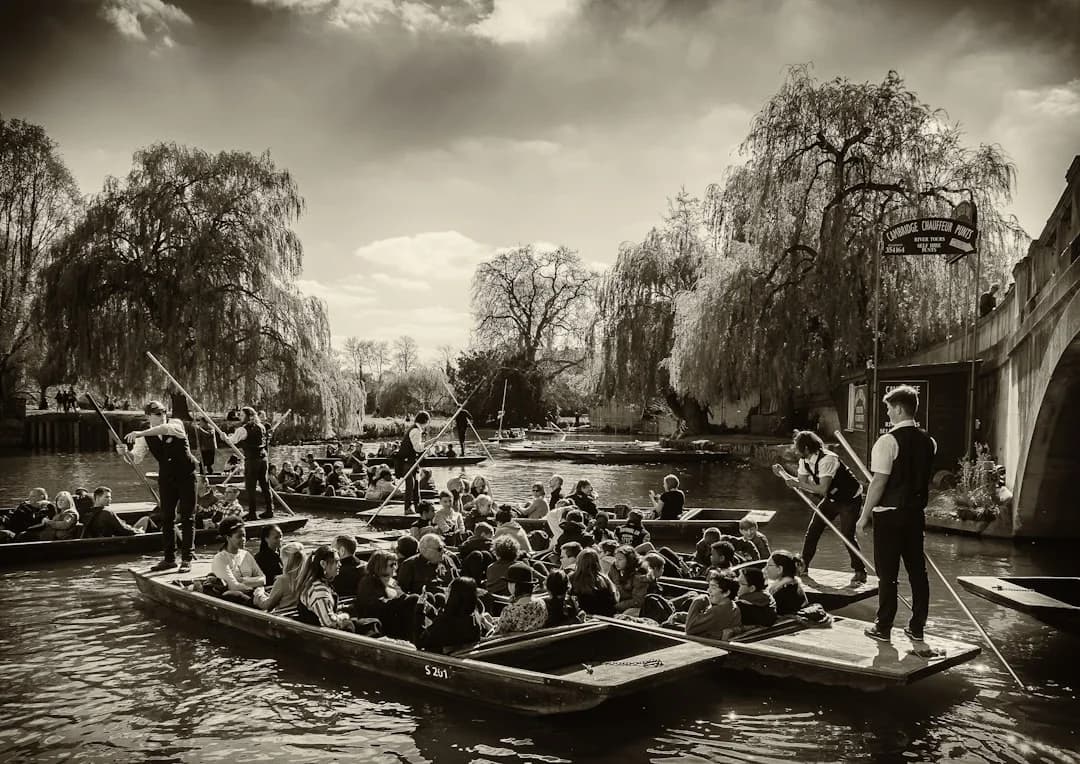
Photo by James Armes on Unsplash
The Cambridge Folk Festival 2026 is set to mark a pivotal turn in the event’s history. Cambridge City Council announced a revitalised, city-wide, multi-venue approach that culminates in a two-day Cherry Hinton Hall weekend on August 1–2, 2026, while expanding activity across the city in the days surrounding the festival. This redevelopment responds to escalating costs, evolving audience habits, and the need to protect the festival’s independent, grassroots roots. For readers tracking technology-enabled event formats, economic projections, and audience access, the plan represents a data-driven attempt to stabilize a marquee cultural asset in a changing festival market. The council notes that the August weekend will sit at the heart of a broader program that includes pre-festival performances at multiple venues and a summer-school component, all designed to broaden reach and deepen community engagement. The shift reflects a broader trend in the festival sector toward multi-venue, city-wide programming as a strategy to manage costs and maximize audience touchpoints. (cambridge.gov.uk)
From a purely logistical standpoint, Cambridge Folk Festival 2026 builds on a carefully staged sequence of events. The headlining weekend at Cherry Hinton Hall on August 1–2 is framed by earlier offerings in Cambridge’s venues, including two nights at the Cambridge Corn Exchange on July 25–26 and a run of related events during the week of July 27. The City Council’s plan also reprises Cambridgeshire Music’s Summer School, scheduled for July 27–30, with a finale performance on August 1 during the Cherry Hinton Hall weekend. This arrangement is designed to distribute programming across locations, reduce congestion at a single site, and attract different slices of the audience while maintaining the festival’s core identity. The council emphasizes affordability and accessibility as central design goals, with early-release ticketing and tiered pricing intended to broaden participation across age and income groups. (cambridge.gov.uk)
Section 1: What Happened
New format and refreshed objectives
The Cambridge Folk Festival 2026 will be staged in a refreshed format that expands beyond the traditional single-site model. The City Council describes a multi-venue approach that extends the festival’s reach into the city’s numerous venues and performance spaces, while Chestnut Hinton Hall remains the essential heart of the weekend. The aim is to preserve the festival’s “heart, friendship, and music” while delivering a more inclusive and sustainable model that can withstand ongoing cost pressures and environmental considerations. This represents a deliberate shift from the festival’s long-standing pattern to a more distributed, city-wide experience, a move that mirrors successful models in other UK festivals and urban cultural events. The plan also foregrounds the local arts ecosystem, offering additional platforms for folk clubs, buskers, and small venues to participate. (cambridge.gov.uk)
Timeline and key milestones
The official timetable released by Cambridge City Council lays out the sequence of events leading into the Cherry Hinton Hall weekend. Highlights include:
- July 25–26, 2026: Cambridge Corn Exchange concerts, signaling the start of expanded city-wide activity.
- Week of July 27, 2026: City venues host folk and roots events, extending the festival footprint across Cambridge.
- July 27–30, 2026: Cambridgeshire Music Summer School runs with a finale performance on August 1.
- August 1–2, 2026: The central Cherry Hinton Hall weekend, featuring two full days of live music and activities, including the return to the site regarded as the festival’s spiritual home.
- The plan notes the possibility of additional events and collaborations in the run-up to the main weekend, reinforcing a “festival community” approach rather than a single-event model. (cambridge.gov.uk)
Headliners and lineup clarity
The festival’s 2026 program places three high-profile acts on the Main Stage across the two-day cherry-hinton centerpiece: Frank Turner headlines Saturday, with Suzanne Vega co-headlining Sunday, and Richard Thompson performing in a collaboration that underscores the event’s historical ties to the folk-rock canon. The official festival page emphasizes the two-day core program, while noting that more names will be announced as planning progresses. The lineup signal is designed to balance broad appeal with the festival’s roots in presenting both international stars and rising local talent. The public-facing schedule also highlights a robust on-site experience, including a dedicated Club Corner and a street performance area to showcase buskers and roving acts. (cambridgefolkfestival.co.uk)
Financial and operational context
In a candid examination of the festival’s finances, Cambridge City Council documented the broader economic pressures affecting the sector, including rising infrastructure costs and a recent provisional loss of £320,000 in the prior year. The papers further reveal a deliberate pause in 2025—the so-called fallow year—intended to reboot the festival’s financial and organizational model for 2026 and beyond. The council’s analysis frames the relaunch as a necessary evolution, designed to stabilize finances while preserving the event’s cultural value. It also highlights the indirect economic contribution of roughly £2.3 million per annum to the Cambridge economy, underscoring why the council seeks a more resilient structure rather than a simple annual return to a high-cost, high-stakes format. The 2025 pause was accompanied by a commitment to an alternative program of folk-related events to maintain momentum within the local folk ecosystem. (cambridge.gov.uk)
Ticketing, pricing, and accessibility measures
Ticketing details released alongside the November 2025 headliner announcement show a careful approach to pricing and access. Early-release tickets for the Cherry Hinton Hall weekend are priced to be accessible, with day tickets and weekend passes clearly itemized to accommodate different budgets. The published figures include day tickets for adults at £60 and weekend passes at £120, with concessions and young-people rates also specified. The pricing strategy is framed as part of a broader effort to keep the festival financially viable while expanding the audience base. The ticketing window opened on December 3, 2025, at 10 a.m. local time, providing a defined timeline for prospective attendees to plan purchases. The pricing and sale details are designed to reflect the festival’s new multi-venue, city-wide approach and the intention to maintain affordability alongside high-quality programming. (cambridge.gov.uk)
Why it matters
Economic and community impact

The Cambridge Folk Festival has long been a driver of local cultural vitality and economic activity. The current relaunch plan explicitly positions the festival as a city-wide event that can attract visitors from across the region while supporting Cambridge’s own cultural network. The council’s numbers indicate an annual indirect economic impact of approximately £2.3 million, underscoring why public authorities view the festival as a strategic asset for the city’s creative economy. The multi-venue format is also framed as a means to distribute economic benefits more broadly across Cambridge’s venues, pubs, clubs, and cultural spaces, potentially smoothing demand fluctuations and encouraging longer visitor stays in the city. In this context, Cambridge Folk Festival 2026 is not merely a weekend performance schedule but a coordinated cultural-economic initiative designed to sustain a flagship event while embedding it more deeply in the urban fabric. (cambridge.gov.uk)
Accessibility, inclusivity, and audience growth
A central theme of the relaunch is accessibility. City leaders emphasize affordable access, broad venue coverage, and a diverse slate of performances that can attract families, students, and first-time festival-goers. The August weekend’s two-day structure is complemented by a broader slate of events before and after the core dates, offering multiple entry points for audiences who might previously have found festival logistics prohibitive. The expansion to multiple venues—paired with targeted concessions and a tiered pricing model—aims to widen participation while maintaining the festival’s character and identity. The City Council notes that this approach echoes successful multi-venue festival models and anticipates benefits in terms of audience growth and long-term sustainability. (cambridge.gov.uk)
Environmental and sustainability considerations
The refreshed Cambridge Folk Festival format explicitly includes environmental sustainability as a design principle. By distributing programming across various city venues, the festival seeks to minimize congestion and reduce environmental impact associated with a single-site, multi-day outdoor event. The organizers also highlight the regional ecosystem, including partnerships with local clubs and promoters, as a way to optimize logistics and reduce waste. While the long-term environmental footprint remains a complex equation, the strategy aligns with broader festival-sector trends toward more efficient, climate-conscious event delivery. (cambridge.gov.uk)
Community memory and artist development
Beyond immediate economic and logistical considerations, the festival’s relaunch emphasizes long-term cultural capital. The Christian Raphael Prize, which supports emerging artists, remains a fixture of the festival ecosystem, ensuring opportunities for local and national talent. The broader program architecture—encompassing street performances, Club Corner programming, and collaborations with Folk Club networks—serves as a platform for artist development and community building. The aim is to preserve the festival’s heritage while expanding its capacity to nurture new voices within Cambridge’s folk scene. This aligns with the festival’s historical identity as a community-driven event rooted in grassroots, independent origins. (cambridge.gov.uk)
What's Next
Ticketing window, sales cadence, and early reveals
With tickets going on sale on December 3, 2025, the festival’s organizers are signaling a phased, strategic approach to access. The first release focuses on the Cherry Hinton Hall weekend, with a clear pricing ladder and a commitment to offer affordable options for families and young attendees. The phased release approach helps the festival manage demand, optimize site logistics, and balance revenue generation against audience experience. Journalistic coverage and local reporting emphasize that the early headliners—Frank Turner, Suzanne Vega, and Richard Thompson with Zara Phillips—form a strong anchor for the opening phase of ticket sales, while additional lineup announcements are expected as planning advances. For readers, the window provides a concrete timeline to plan travel, accommodations, and budget, especially for those coming from outside the Cambridge area. (cambridge.gov.uk)
Future programming and expansion plans
The council’s 2025–2026 relaunch plan notes that the festival’s footprint will continue to evolve beyond the 2026 edition. The expectation is that the multi-venue approach will be refined over the next two to three years, with opportunities to scale up or down depending on demand, sponsorship, and public funding dynamics. The plan also includes ongoing collaboration with local venues, folk clubs, and community partners to sustain programming during the development phase and after the main Cherry Hinton Hall weekend. Readers should anticipate additional announcements about partner venues, new community programs, and potential digital/television or streaming components designed to extend the festival’s reach. (cambridge.gov.uk)
Talent development and inclusive outreach
As part of the “what’s next” storyline, Cambridge Folk Festival 2026 is positioned as a platform for both established international performers and emerging local talent. The Christian Raphael Prize continues to play a central role in identifying and supporting new artists, a signal that the festival remains committed to its roots in nurturing homegrown talent. The broadened venue network is expected to yield more opportunities for artists at various career stages, aligning with broader industry goals around talent pipelines and community engagement. This combination of high-profile headliners and grassroots growth is designed to enhance the festival’s appeal to diverse audiences while preserving its cultural distinctiveness. (cambridge.gov.uk)
What attendees should watch for
For readers planning to attend or cover the event, several practical items warrant close attention in the coming weeks and months:
- Ticketing cadence and payment options: The first wave of tickets is already scheduled, with potential subsequent phases as the lineup expands. Monitoring the festival’s official ticketing channels will be essential for up-to-date information on availability, payment plans, and restrictions. (cambridgefolkfestival.co.uk)
- Finalizing the lineup: While Frank Turner, Suzanne Vega, and Richard Thompson with Zara Phillips are set as anchor acts, additional names are expected to be announced to fill both main stages and the Club Corner. Fans should watch for gradual announcements through official channels and partner venues. (cambridge.gov.uk)
- Venue programming details: The city-wide plan includes a range of venues with differing capacities, atmospheres, and logistical considerations. Attendees should become familiar with schedules for Cambridge Corn Exchange, Cherry Hinton Hall, and the other participating spaces to optimize travel and viewing experiences. (cambridge.gov.uk)
- Accessibility and family-friendly options: The festival is emphasizing affordability and family access, including concessions and free entry for younger children in certain scenarios. Prospective attendees should verify current policies as the event approaches to maximize value and ensure compliance with any capacity or safety requirements. (cambridge.gov.uk)
Section 2: Why It Matters (Expanded Analysis)
Structural resilience in a volatile festival market
The Cambridge Folk Festival’s shift to a multi-venue, city-wide model is a noteworthy case study in resilience within the contemporary festival landscape. The decision to pause the traditional format in 2025—a year marked by broader cost pressures and shifting consumer behaviors—followed by a staged relaunch in 2026 demonstrates a willingness to adapt in ways that preserve core identity while leveraging new distribution models. This approach is consistent with industry best practices observed in other large-scale events that faced similar financial headwinds and market fragmentation. The Cambridge City Council’s documentation emphasizes that the goal is not merely to survive but to evolve sustainably, ensuring that the festival remains accessible to existing fans and attractive to new audiences over the long term. (cambridge.gov.uk)
The role of public support and governance in cultural continuity
The Cambridge Folk Festival’s trajectory over the last few years highlights how municipal leadership can play a decisive role in cultural continuity. The 2025 cabinet decisions and subsequent updates show a government-led initiative to balance public investment with private partnerships, a model that prioritizes social and cultural outcomes alongside financial viability. This governance approach—coupled with independent reviews and stakeholder input—helps align the festival with broader city goals such as tourism, cultural equity, and local employment. For readers and stakeholders, the Cambridge Folk Festival 2026 case offers a lens into how cities can steward cherished traditions through structured planning, transparent communication, and data-informed adjustments. (democracy.cambridge.gov.uk)
Audience-centric design and market adaptation
The two-day Cherry Hinton Hall centerpiece is presented as the emotional anchor of the festival, while the broader, weeklong city-wide program serves as a vehicle for audience growth and inclusion. This design aligns with market demands for more flexible attendance options, lower entry barriers, and a varied musical palette that extends beyond conventional folk to Americana, blues, and world styles. The approach also aligns with the festival’s history of balancing international headliners with emerging artists through prize programs and local collaborations. For technology and market trend watchers, the model offers a blueprint for how cultural events can adapt to evolving streaming preferences, ticketing models, and incremental monetization opportunities without sacrificing the intimate, community-driven experience that defines folk culture. (cambridgefolkfestival.co.uk)
Closing
The Cambridge Folk Festival 2026 represents more than a schedule of performances; it is a deliberate reconfiguration aimed at preserving a storied local tradition while embracing city-wide engagement, financial prudence, and sustainable growth. With a primary weekend at Cherry Hinton Hall on August 1–2, 2026, supported by pre-festival programming across Cambridge’s venues and a robust Summer School, the festival is positioning itself as a modern, accessible, and economically viable cultural engine. Attendees, sponsors, and partners should monitor official channels for continued lineup announcements, ticketing phases, and venue-specific details as the festival’s multi-venue architecture unfolds. If history is a guide, the Cambridge Folk Festival 2026 could set a benchmark for how urban festivals can evolve without losing sight of their grassroots origins. Stay connected through the Cambridge City Council announcements, the Cambridge Folk Festival site, and local cultural press to catch every update as this ambitious transformation progresses. (cambridge.gov.uk)
Readers and stakeholders are encouraged to follow official channels for the latest information on dates, tickets, and program specifics. The festival’s organizers have signaled a strong commitment to transparency and community input as planning continues, which bodes well for a cohesive, data-informed rollout that can adapt to changing conditions in the festival market. In the meantime, Cambridge residents and visitors can begin planning around the August weekend while exploring the broader week-long program that aims to weave the festival into the city’s cultural life beyond Cherry Hinton Hall. (cambridge.gov.uk)