Cambridge Chinese New Year Gala 2026 Recap
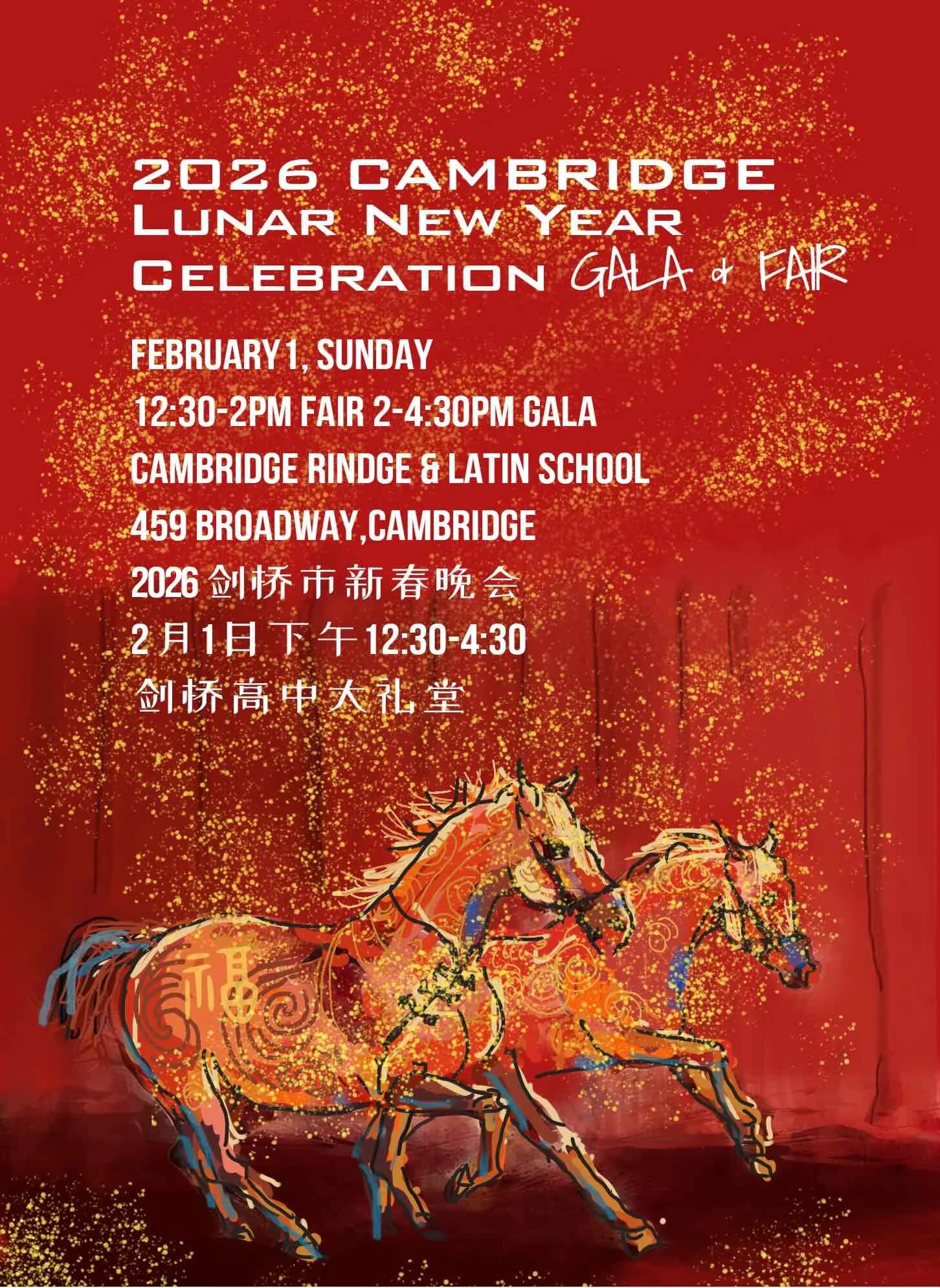
The Cambridge Chinese New Year Gala 2026 arrived in Cambridge with the crisp, ceremonial energy that accompanies the Year of the Horse. Held at the Cambridge Corn Exchange on February 10, 2026, the event gathered students, scholars, and community members from across the city and beyond to celebrate a cultural milestone that blends tradition with modern performance arts. The program, described by organizers as a milestone for Cambridge’s cultural calendar, offered a curated mix of dance, music, traditional Chinese crosstalk, and orchestral pieces, signaling both continuity with heritage and a willingness to experiment within a live-event format. The Cambridge Corn Exchange page explicitly invites attendees to “celebrate the Year of the Horse” and frames the gala as part of a broader tradition that has become “one of the UK’s most anticipated cultural events.” This context matters for readers who missed the night but want a data-driven sense of scale, tone, and opportunities for future events. It also anchors the evening in a broader ecosystem of Cambridge’s cultural offerings, linking a local venue with national perceptions of Chinese cultural celebrations. The description emphasizes reunion, reflection, and renewal—key themes that shaped the evening’s atmosphere and the audience’s expectations. (cornex.co.uk)
Section 1: Event Highlights
Opening moments that set the tempo
The event opened with a ceremonial energy that bridged Cambridge’s academic heritage and its contemporary cultural scene. The program’s opening sequence established a pace that carried through the night, pairing traditional forms with contemporary staging. While the official page does not publish a chronological play-by-play, the overall framing—celebrating the Year of the Horse as a symbol of vitality and progression—guided the selection of performances and set pieces, creating a cohesive narrative about resilience and renewal. The page’s language reinforces this framing: “Proudly, we welcome all of you to celebrate the Year of the Horse with us,” a sentiment that speaks to both inclusivity and ambition for the event’s reach. This opening sentiment also appears in the gala’s description of a festival-like atmosphere that brings together diverse audiences from Cambridge and beyond. (cornex.co.uk)
Major moments and standout performances
Among the most significant moments cited in preview materials was the gala’s emphasis on a vibrant array of traditional Chinese performances, including dance, music, Chinese crosstalk, and Chinese orchestra. The emphasis on a diversified program underscored the organizers’ intent to showcase breadth within a single event, highlighting how Cambridge can host multi-genre Chinese-language performances while maintaining an accessible, audience-friendly format. The event’s core message—that the Cambridge Chinese New Year Gala has become a widely anticipated cultural event—frames the performances as a culmination of years of programming, collaboration with local communities, and an ongoing invitation to participate in Chinese cultural life in Cambridge. Such framing matters for readers who were evaluating whether the gala would be more a ceremonial spectacle or a substantive, educational experience, and the page’s language suggests a balanced blend of both. (cornex.co.uk)
Ticketing momentum and accessibility as a moment in time
Ticketing information, while not a performance moment itself, represents a key highlight of the gala’s accessibility and planning success. The Cambridge Corn Exchange page highlights a limited early-bird offer, with ticket pricing listed at £12.00 to £29.00 (including booking fees). The presence of an early-bird mechanism signals proactive audience engagement and demand planning, which are crucial for large, audience-facing cultural events in a university-town setting. This pricing range also provides a lens into how Cambridge’s cultural institutions balance affordability with revenue needs, a core tension in many city-center events. The page further emphasizes accessibility, detailing support for accessible seating, an infra-red hearing enhancement system, and other accommodations. These accessibility features and the emphasis on inclusive access align with the gala’s broader mission to reach a diverse audience and provide an engaging experience for all attendees. (cornex.co.uk)
The venue as a cultural hub and cross-traffic opportunity
The Cambridge Corn Exchange is positioned not just as a venue but as a hub that can help connect the gala to Cambridge’s broader dining and hospitality ecosystem. The page notes a Market House tie-in option, inviting attendees to consider dining before or after the show, which signals a strategic ecosystem approach to event programming. This kind of cross-venue collaboration illustrates how a single evening can generate spillover effects for local businesses and contribute to a more integrated cultural experience in Cambridge. For readers who attended, this moment likely reinforced the sense that the gala is more than a show; it’s a culturally meaningful night out that intersects with Cambridge’s urban life. (cornex.co.uk)
Section 2: Key Takeaways
A data-driven view of cultural stitching and audience reach
The Cambridge Chinese New Year Gala 2026 stands as a prominent example of Cambridge’s capacity to host high-profile cultural events rooted in Chinese traditions while embracing a broad audience. The gala is described as “one of the UK’s most anticipated cultural events,” a claim that signals broad appeal beyond Cambridge and suggests a pull for attendees from across the region. This is not just a local celebration; it is a reflection of Cambridge’s status as a culturally diverse and magnet city for international students, researchers, and visitors who seek to engage with East Asian cultural expressions in a Western context. The event’s ability to draw such attention and position Cambridge as a stage for cross-cultural exchange is a meaningful data point for stakeholders tracking the intersection of culture, education, and local economies. (cornex.co.uk)

Balancing tradition with live-event innovation
The gala’s programmatic emphasis on traditional Chinese performances—dance, music, crosstalk, and orchestra—alongside a modern presentation framework underscores a central trend in live cultural events: the fusion of heritage with contemporary stagecraft. By curating a program that respects tradition while presenting it in a manner accessible to diverse audiences, the Cambridge Chinese New Year Gala 2026 demonstrates how event organizers can maintain authenticity while leveraging modern production values. This balance is critical for readers focusing on trends in cultural events, as it illustrates how a storied tradition remains vibrant when paired with thoughtful programming and audience-centric design. (cornex.co.uk)
Accessibility as a strategic imperative
The gala’s explicit attention to accessibility—ranging from seating accommodations to audio loops and clear information about services—reflects a broader industry shift toward inclusive events. In markets where inclusivity is a differentiator, such features can expand audience reach and improve satisfaction, ultimately supporting higher engagement and word-of-mouth promotion. The Cambridge Corn Exchange’s accessibility details are not merely bureaucratic; they are a signal to attendees that the event prioritizes an inclusive, comfortable experience for people with a variety of needs. This approach aligns with best practices in modern live events and provides a practical blueprint for organizers planning similar cultural programs. (cornex.co.uk)
Local ecosystem effects and strategic partnerships
The mention of a Market House pre- or post-show dining option demonstrates how a single event can create a ripple effect across Cambridge’s local economy. When a cultural event, venue, and nearby businesses coordinate to offer integrated experiences, the overall impact extends beyond the stage. This kind of ecosystem thinking—where a gala stimulates pre-show dining traffic, encourages collaboration with local eateries, and promotes cross-pollination among cultural organizations—illustrates a scalable model for smaller cities aiming to maximize economic and cultural benefits from high-profile events. It also provides a replicable template for future Cambridge events seeking to optimize attendance and local engagement. (cornex.co.uk)
What data is publicly disclosed vs what remains opaque
Ticketing data, attendance figures, and detailed demographic breakdowns for the Cambridge Chinese New Year Gala 2026 are not published on the official event page. This data gap is noteworthy for analysts tracking event performance, audience segmentation, and monetization strategies for niche cultural events. What is publicly disclosed—the date, venue, start time, ticket price range, and accessibility provisions—offers a useful baseline, but readers seeking deeper insights into reach, retention, or return on investment will need additional data from organizers or venue management in future iterations. This gap underscores the importance of ongoing transparency in cultural event reporting for market analysis. (cornex.co.uk)
Section 3: Notable Quotes & Moments
Memorable quotes from organizers and program notes
The event’s official materials provide a few compact, quotable lines that convey the gala’s tone and aims. One line captures the event’s inclusive spirit: “Proudly, we welcome all of you to celebrate the Year of the Horse with us.” This succinct message signals openness to diverse audiences and a shared sense of occasion. Another compelling line from the program notes emphasizes the gala’s cultural significance: “The Cambridge Chinese New Year Gala has become one of the UK’s most anticipated cultural events,” a statement that positions the Cambridge edition as part of a national cultural calendar. A third notable line highlights the social atmosphere of the night: “This is a time of warmth and togetherness, where all are invited to share in the joy and hope of a new beginning.” Together, these quotes sketch a narrative of inclusion, celebration, and forward-looking optimism that defined the event’s impact for attendees and observers. (cornex.co.uk)
Reactions and energy that resonated with audiences
While formal quotes from attendees or organizers are not published in the event page, the language used to describe the gala—emphasizing unity, renewal, and cross-cultural participation—suggests a positive reception among audiences who value cultural exchange and community-building. The combination of traditional performance forms with a modern event format tends to generate a buzz around the practical implications of such programming: it creates discussable moments, spawns social-media activity, and invites dialogue about how Cambridge can sustain momentum for its cultural calendar throughout the year. For readers who could not attend, these quotes and the surrounding framing offer a lens into the event’s atmosphere and the kinds of moments likely to be remembered. (cornex.co.uk)
Section 4: What It Means
Implications for Cambridge’s cultural and market landscape
The Cambridge Chinese New Year Gala 2026 demonstrates several practical implications for the city’s cultural and market ecosystem. First, the event reinforces Cambridge’s capacity to host high-profile, heritage-rich, cross-cultural programming in a way that remains accessible and welcoming to a broad audience. As the gala is described as a top cultural event in the UK, its success signals a demand for culturally diverse programming in university towns and the potential for Cambridge to attract international visitors and partnerships around annual celebrations. This has direct relevance for event organizers, venue operators, and local businesses aiming to synchronize calendars, marketing efforts, and hospitality offerings around large, culturally significant happenings. (cornex.co.uk)
Next steps and trends on the horizon
Looking ahead, one clear implication is the potential for deeper collaboration between cultural institutions and local businesses to create integrated experiences—larger marketing ecosystems that leverage dining, retail, and hospitality as part of the event experience. The Market House reference on the Cambridge Corn Exchange site hints at that direction, suggesting future iterations could see more robust pre- and post-show menus, partnerships with local cultural organizations, and targeted audience development initiatives. For readers tracking market trends, this points to a broader pattern: successful cultural events are increasingly those that extend beyond the stage and into the city’s daily life, creating a multi-day or multi-venue experience that drives longer-term audience loyalty. (cornex.co.uk)
The role of data transparency in shaping expectations
The data gaps surrounding attendance, demographic breakdowns, and financial outcomes for the Cambridge Chinese New Year Gala 2026 highlight an ongoing challenge in the cultural-events sector: the trade-off between public access to performance data and the commercial realities of event management. For market analysts and industry observers, encouraging more transparent reporting will be important for benchmarking, forecasting, and articulating the value of cultural programming to funders, sponsors, and municipal partners. The available public data—date, venue, pricing, and accessibility features—provide a foundation, but the next step will be richer data sharing and more granular post-event reporting to inform future strategy. (cornex.co.uk)
Closing
Overall, the Cambridge Chinese New Year Gala 2026 delivered a data-informed, culturally resonant event that balanced tradition with accessibility and local partnership opportunities. For readers who could not attend, the recap above offers a thorough, theme-driven lens on what happened, why it mattered, and what it could signal for Cambridge’s cultural and economic landscape in the coming year. As organizers look to next year’s edition, the combination of strong branding, inclusive design, and cross-venue collaboration will likely shape a blueprint for expanding reach while deepening the quality and diversity of performances. If Cambridge continues to invest in coordinated cultural programming that ties venues, dining, and community groups into a cohesive experience, the Cambridge Chinese New Year Gala 2027 could become not only a marker of cultural celebration but also a driver of sustained local vitality and international visibility. (cornex.co.uk)