Cambridge Arts Festival 2026 Returns Across City
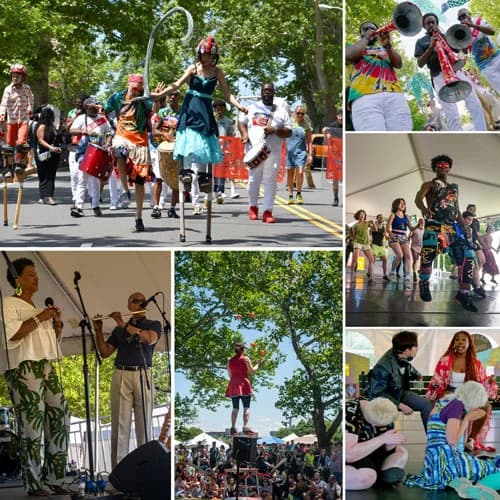
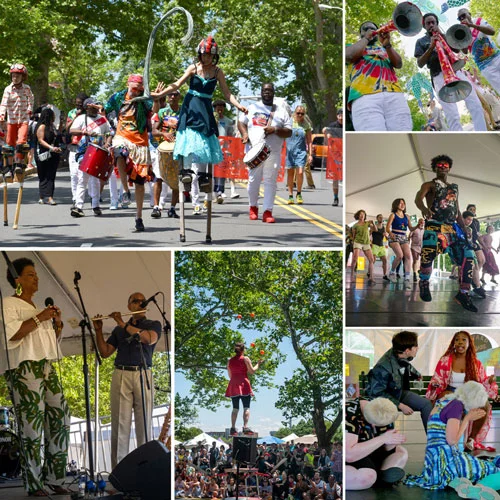
The Cambridge Arts Festival 2026 is returning for its third edition, signaling a citywide acceleration of cultural programming in Cambridge. Spanning February 9–18, 2026, the festival will unfold across venues throughout the city center and university-adjacent districts, prioritizing accessibility and community engagement. Delivered by Cambridge BID, the initiative is designed to spotlight local artists, makers, galleries, and cultural institutions while creating a cohesive, foot-traffic-friendly arts itinerary for residents and visitors alike. The organizers emphasize that much of the programme will be free to attend, reinforcing the event’s commitment to broad accessibility and public cultural life. This overarching framework—free access alongside curated programming—is intended to expand audience reach and drive daytime and evening activity in Cambridge’s commercial districts. (cambridgebid.co.uk)
A highlight of the 2026 edition is the Gallery Crawl, scheduled for February 12 from 5 to 7 p.m., which invites attendees to tour eight participating galleries along a mapped route. The crawl offers a concentrated, city-wide peek at contemporary art across multiple venues, providing a tangible, self-guided way to experience Cambridge’s gallery ecosystem in a single evening. As one organizer notes, the event is designed to spark spontaneous conversations between artists and audiences as the city lights up with cultural energy. “Enjoy an inspiring evening of culture and creativity with the Cambridge Arts Festival’s Gallery Crawl,” the Love Cambridge guide summarizes the experience. (love-cambridge.com)
In addition to its gallery-focused moments, Cambridge Arts Festival 2026 introduces The Art Makers Fair, a new marketplace celebrating originality, craft, and artistic talent. Set for Saturday, February 14, at The Guildhall—The Large Hall, from 10:30 a.m. to 4 p.m.—the event foregrounds makers across disciplines, from ceramics and textiles to illustration and jewellery. The fair aims to be free-entry for the public and is positioned as a central hub for artists to showcase, sell, and connect with audiences and potential collaborators. The Cambridge BID describes the Art Makers Fair as a vibrant celebration of local creativity, a signal that the festival is expanding beyond conventional gallery experiences to embrace hands-on making and direct artist-audience engagement. “The Art Makers Fair, a vibrant marketplace celebrating originality, craft, and artistic talent,” is how Cambridge BID frames the opportunity. (cambridgebid.co.uk)
The festival also features site-specific and community-driven projects, including the King Street mural project, which integrates public art into Cambridge’s urban fabric during the festival window. A slate of artist commissions and mural activations will run in tandem with gallery openings, performances, and public talks, providing a cross-section of visual art and street-level creativity. The King Street mural initiative is highlighted as a tangible example of how Cambridge Arts Festival 2026 blends traditional gallery spaces with public art in accessible, walkable formats. (cambridgedrawingsociety.org)
Cambridge BID—organizer and lead advocate for the festival—also outlines the festival’s partner ecosystem, highlighting a blend of corporate sponsorships and cultural sponsorships that underwrite programming, venue activation, and marketing. Lead sponsorship comes from Mills & Reeve, with Clarendon Fine Art serving as a venue sponsor, and Mishcon de Reya, Charles Stanley, and Preim/Encore named as in-kind or promotional sponsors. These partnerships are positioned as essential to enabling citywide programming, driving cross-venue collaboration, and extending the festival’s reach into local businesses and neighborhoods. (cambridgebid.co.uk)
What follows outlines the full arc of Cambridge Arts Festival 2026, including what happened, why it matters, and what readers can expect next. The reporting below draws on official festival communications, partner updates, and city-wide arts coverage to provide a data-informed, neutral snapshot of the event and its implications for Cambridge’s cultural economy and community life.
What Happened
Citywide Dates and Scope
Cambridge Arts Festival 2026 took shape as a city-wide, 10-day celebration of arts, culture, and community life, running from February 9 through February 18, 2026. The festival is described as a multi-disciplinary program featuring exhibitions, workshops, public art, guided tours, and family-friendly activities across a variety of venues throughout Cambridge. The delivering body, Cambridge BID, frames the festival as a sustained collaboration that connects artists, galleries, venues, and local businesses, with a centralized communications and marketing push to maximize attendance and participation. The official schedule and public-facing materials confirm the February 9–18 window and emphasize accessible programming across the city. (cambridgebid.co.uk)
Key Venues and Free Access
A core design principle of Cambridge Arts Festival 2026 is accessibility. The program emphasizes free-to-attend events wherever possible, aligning with a broad baseline goal of inclusive participation. The festival’s venue network spans multiple galleries and cultural spaces in central Cambridge, including established galleries, emerging spaces, and university-affiliated venues. A gallery-centric component of the program is the Gallery Crawl on February 12, a curated evening route that invites residents to explore eight participating galleries with a continuous, walkable circuit—an arrangement designed to maximize foot traffic and cross-pollination among venues. The venue map and crawl details point readers toward a coordinated, city-wide art walk rather than isolated happenings scattered across neighborhoods. The announcement materials stress the city-centric, collaborative approach, underscoring that the program intends to generate tangibly higher visibility for Cambridge’s arts ecosystem during the festival period. (love-cambridge.com)
New Elements and Opportunities
The Art Makers Fair marks a notable expansion of Cambridge Arts Festival 2026 into a maker-focused marketplace. Scheduled for February 14, the fair will sit inside The Guildhall—The Large Hall, featuring stalls and exhibits from local artists and makers. The event operates as a free-entry public program to encourage direct sales, networking, and real-time engagement between artists and audiences. The fair’s pricing structure for stalls (e.g., £25 for a table, £45 for two tables) signals an affordable entry point for small-scale creators to participate, aligning with the festival’s broader accessibility ethos. The organizers highlight the fair as a platform for originality, craft, and artistic talent to flourish in a city known for its intellectual and creative energy. A direct quote from Cambridge BID reinforces this framing. “The Art Makers Fair, a vibrant marketplace celebrating originality, craft, and artistic talent,” illustrates the fair’s positioning within the festival’s lineup. (cambridgebid.co.uk)
Sponsorships and Partners
Cambridge Arts Festival 2026 stands on a foundation of public-private partnerships that extend beyond a single sponsor. The festival’s leadership credits Mills & Reeve as Lead Sponsor, with Clarendon Fine Art serving as venue sponsor, and additional support from Mishcon de Reya, Charles Stanley, and Preim / Encore as In-Bloom supporters. This sponsorship structure supports venue activation, cross-promotion, and a city-wide promotional push aimed at increasing visitor numbers and local engagement. The sponsor roster reflects an integrated approach to supporting the arts economy in Cambridge, connecting legal services, financial services, and art market players with the city’s cultural calendar. (cambridgebid.co.uk)
Thematic Highlights and Early Signals
Festival organizers have signaled a strong emphasis on multi-venue collaboration and a city-centered experience that blends traditional gallery viewing with contemporary cross-disciplinary programs. Early communications highlighted that the festival is designed to be accessible to a broad audience, with a public-facing calendar that emphasizes family-friendly experiences, community workshops, and opportunities to engage with artists in a variety of settings. The Gallery Crawl, for instance, presents an evening of gallery openings and talks across eight venues, enabling attendees to see contemporary works in multiple contexts and to experience the city’s art scene in a single, time-bound event. The festival’s communications also emphasize that most programming will be free to attend, a decision intended to remove barriers to participation and to encourage spontaneous exploration of Cambridge’s arts cluster. The combination of free programming, city-wide venue participation, and maker-focused initiatives is presented as a deliberate approach to expanding the reach and impact of the arts economy in Cambridge during February 2026. (cambridgebid.co.uk)
Timeline Snapshot for Quick Reference
- February 9–18, 2026: Cambridge Arts Festival 2026 runs city-wide across Cambridge venues. This window frames the core festival period, including opening receptions, talks, and performances as part of a multi-venue program. (cambridgebid.co.uk)
- February 12, 2026, 5:00–7:00 p.m.: Gallery Crawl—an evening route visiting eight participating galleries with a curated program and guided or self-guided experiences. This event is a centerpiece for concentrated gallery activity during the festival. A direct promotional line highlights the Crawl as a culture and creativity showcase for the city. (love-cambridge.com)
- February 14, 2026, 10:30 a.m.–4:00 p.m.: The Art Makers Fair at The Guildhall—The Large Hall, a new marketplace for makers across disciplines. The fair is designed to be free entry and to encourage direct engagement with artists and makers. Stall pricing and setup details are published in festival communications. (cambridgebid.co.uk)
- February 9–18, 2026, across multiple venues: Ongoing exhibitions, workshops, and community programs as part of the festival’s multi-disciplinary slate. The festival emphasizes an accessible, citywide experience with a broad cross-section of artistic activities. (cambridgebid.co.uk)
Table: Participating Gallery Venues (selected highlights)
| Venue | Focus | Note |
|---|---|---|
| MODO | Contemporary art | Part of the gallery crawl circuit; featured in Love Cambridge materials. (love-cambridge.com) |
| Byard Art | Contemporary | Included in the gallery crawl map and festival communications. (love-cambridge.com) |
| Camb Contemporary Art | Contemporary | Part of the eight-venue crawl; supports multiple artists. (love-cambridge.com) |
| Camb Contemporary Craft | Craft-focused spaces | Included in the festival’s gallery circuit. (love-cambridge.com) |
| CORPUS Gallery | Visual art and installations | Participating venue in the Crawl. (love-cambridge.com) |
| Soho Fine Art | Fine art | Welcome to festival visitors as part of the Crawl. (love-cambridge.com) |
| Clarendon Fine Art | Gallery partner | Mentioned as a venue sponsor and part of the Crawl ecosystem. (cambridgebid.co.uk) |
| Castle Fine Art | Gallery partner | Included in the citywide gallery program. (love-cambridge.com) |
Note: The full gallery roster is published through Love Cambridge and Cambridge BID materials; the table above highlights representative participants to illustrate the scale and cross-venue nature of the Gallery Crawl. For the most up-to-date venue list and crawl map, readers should consult the official Cambridge BID festival pages and Love Cambridge’s festival section. (love-cambridge.com)
Why It Matters
Economic and Cultural Ripple Effects
Cambridge Arts Festival 2026 sits at the intersection of culture, urban experience, and local business vitality. By design, the festival invites residents and visitors to explore venues, engage with artists directly, and participate in free or low-cost experiences, which helps sustain a broader ecosystem of galleries, studios, and cultural venues. The city’s creative economy benefits not only from direct ticket sales and stall fees but also from incidental spending in neighboring cafes, bookstores, and retail spaces fueled by festival footfall. The festival’s explicit emphasis on accessible programming and cross-venue collaboration is consistent with broader urban cultural strategies that tie arts activity to local economic vitality, cultural tourism, and community well-being. The festival’s sponsor and partner structure further anchors this economic model by aligning professional services, financial institutions, and art-market players with citywide cultural activity. (cambridgebid.co.uk)
"This year's programme promises something for everyone — from exhibitions and workshops to hands-on activities and family-friendly fun, in venues across the city." This line from Cambridge BID’s announcement encapsulates the festival’s inclusive design and cross-venue ambition. The quote underscores the effort to broaden participation beyond a fixed subset of venues and to create a cohesive city-wide experience. (cambridgebid.co.uk)
Accessibility, Inclusion, and Public Engagement
A central rationale for Cambridge Arts Festival 2026 is to lower barriers to arts participation. The festival’s communications emphasize that most of the program will be free to attend, aligning with a public-access mission intended to welcome families, students, workers, and first-time arts-goers into Cambridge’s arts landscape. The free-entry approach is complemented by paid maker-focused activities and curated experiences that provide incremental value to attendees who want deeper engagements with artists, galleries, and creatives. The expansion into The Art Makers Fair further reinforces the city’s commitment to democratizing access to artmaking and selling, enabling makers to reach audiences in a city-scale context. This combination of free access with paid opportunities mirrors contemporary models that balance inclusivity with sustainability for local arts ecosystems. (cambridgebid.co.uk)
Artist and Venue Opportunities
The festival’s programming is designed to elevate both established and emerging artists by providing multiple channels for exposure, sales, and professional development. The Art Makers Fair specifically targets local and regional makers across disciplines, offering stalls at a fixed, affordable rate to facilitate participation for smaller outfits and independent artists. The inclusion of the King Street mural program adds a public art dimension that broadens exposure to artwork beyond traditional gallery walls and helps connect artists with urban audiences in a high-visibility context. The festival’s maker economy and public art components collectively broaden the city’s creative labor market, potentially stimulating collaborations, residencies, and new business models for Cambridge’s cultural economy. (cambridgebid.co.uk)
Public-Private Partnership Model
Cambridge Arts Festival 2026’s sponsorship configuration is indicative of how mid-sized city arts festivals often scale: a mix of corporate partners, professional services firms, and cultural sponsors. The festival’s lead sponsor, Mills & Reeve, lends legitimacy and resources for program development, while Clarendon Fine Art, a venue sponsor, anchors gallery-focused activity within the broader calendar. Additional sponsors and supporters—Mishcon de Reya, Charles Stanley, Preim / Encore as In Bloom partners—signal a cross-sector investment in Cambridge’s arts economy. This model aligns with best practices in urban arts programming, where cross-sector collaboration helps distribute costs and extend reach to diverse audiences. (cambridgebid.co.uk)
Broad Context: Cambridge as a Living Arts District
Beyond the festival itself, Cambridge’s arts and culture ecosystem has a longer arc that includes university-affiliated programming, independent galleries, and city-supported cultural events. The festival’s citywide approach sits within a broader context of Cambridge’s ongoing efforts to position itself as a vibrant cultural destination, with a calendar that features university-led initiatives, independent arts venues, and public art programs throughout the year. This broader ecosystem helps sustain local talent, attract visitors for longer stays, and support businesses that benefit from a steady stream of cultural activity. Readers seeking a fuller sense of Cambridge’s cultural economy should consider cross-referencing festival activity with ongoing events and partnerships listed by Cambridge BID and local tourism organizations. (visitcambridge.org)
Audience Reach and Demographic Implications
The festival’s emphasis on accessibility and citywide participation has implications for audience diversity and geographic reach. By organizing events across central venues and integrating family-friendly activities, the festival targets households, students, and professionals who may not typically engage with arts programming. The gallery crawl structure, with a concise evening window, could attract after-work attendees and weekend visitors who are exploring Cambridge’s arts scene, thereby increasing daytime and evening footfall in commercial districts. The Art Makers Fair further broadens the audience by inviting casual browsers, collectors, and creative professionals to interact with makers in person, potentially converting some attendees into regular customers or future collaborators. While precise attendance numbers for Cambridge Arts Festival 2026 are not published in the current communications, the festival’s multi-venue footprint and free programming are designed to maximize reach and cumulative impact over the 10-day window. (love-cambridge.com)
Comparative Context: Regional Trends in Citywide Arts Festivals
Cambridge Arts Festival 2026 sits within a broader trend of mid-sized cities using concentrated, coordinated arts festivals to drive cultural and economic activity. These festivals often combine free public programming with paid experiential elements and artist-market components to balance access with sustainability. The Cambridge approach—citywide venue participation, a mix of exhibitions and public art, and a maker-focused fair—aligns with best practices observed in similar city-scale arts initiatives in other regions, where partnerships with local businesses, galleries, and professional services help de-risk programming while increasing the event’s visibility and longevity. For readers tracking public culture strategies, Cambridge’s model provides a clear example of how to scale a local arts festival through collaboration, accessibility, and diversified program formats. (cambridgebid.co.uk)
What’s Next
How to Engage: Opportunities for Artists, Makers, and Venues
For artists and makers seeking to participate in Cambridge Arts Festival 2026, the Cambridge BID communications outline several avenues for involvement, including applications or expressions of interest for venue partnerships, workshops, and public art projects. In 2025, Cambridge BID issued calls for participation and provided guidance on connecting with local businesses to host events, with an emphasis on creating mutually beneficial collaborations. While the specific call-outs for 2026 programs may have closed or evolved since December 2025, the festival’s ongoing public-facing channels—Cambridge BID News and Love Cambridge—remain key sources for future opportunities, timelines, and eligibility criteria. Readers and practitioners should monitor these channels for announcements about future events, artist residencies, and public art commissions that align with the festival’s values. (cambridgebid.co.uk)
“The Art Makers Fair is a vibrant marketplace celebrating originality, craft, and artistic talent.” This phrasing from Cambridge BID underscores the ongoing relevance of maker-led programming and signals future opportunities for makers to engage with Cambridge’s cultural ecosystem. As with most festival opportunities, successful participation typically relies on timely applications, clear alignment with thematic priorities, and practical considerations such as stall size and setup logistics. (cambridgebid.co.uk)
Timeline and Watch Points: What to Expect in the Coming Weeks
With the festival now in full swing for February 2026, readers can anticipate a cadence of events around key dates:
- February 9–18, 2026: Core festival period with ongoing exhibitions, workshops, public talks, and performances citywide. Audience planning should consider peak windows such as weekends and school holidays when family-oriented activities are more prevalent. (cambridgebid.co.uk)
- February 12, 2026, 5:00–7:00 p.m.: Gallery Crawl—an evening of gallery openings and artist encounters across a walkable route. Attendees should plan for typical city traffic and venue hour variations, as opening times may vary by venue, and some spaces may host late openings beyond 7 p.m. (love-cambridge.com)
- February 14, 2026, 10:30 a.m.–4:00 p.m.: The Art Makers Fair at The Guildhall—The Large Hall, a dedicated marketplace for artists and makers. Shoppers, collectors, and casual visitors can expect a curated mix of stalls, demonstrations, and talks. Attendees should be prepared for potentially high footfall during peak hours and limited parking options near the Guildhall. (cambridgebid.co.uk)
- Ongoing: Sponsor and partner-driven programming in partner venues and city spaces, with marketing and media outreach continuing through February and into citywide arts calendars. Readers should monitor Cambridge BID and Visit Cambridge listings for additional pop-up events or late-breaking additions to the program. (cambridgebid.co.uk)
Next Steps for the City and Local Stakeholders
From a city-planning perspective, Cambridge Arts Festival 2026 represents a strategic opportunity to normalize arts access and sustain an urban cultural economy during the winter months. Stakeholders—venue operators, gallery curators, local merchants, and city agencies—should consider how to translate festival momentum into longer-term collaborations, such as coordinated gallery weekends, artist residencies connected to city-centre venues, and sustained maker-market opportunities beyond February. The festival’s sponsor network also presents opportunities for additional corporate partnerships focused on education, workforce development, and public art maintenance, ensuring that the city’s cultural assets continue to grow and evolve in a sustainable manner. (cambridgebid.co.uk)
What to Watch For: Indicators of Impact
As Cambridge Arts Festival 2026 unfolds, several indicators will help assess its impact:
- Attendance and footfall metrics across galleries and public events, with particular attention to increased cross-venue visits during the Gallery Crawl and other signature moments.
- Economic activity linked to festival periods, including hospitality and retail footfall in Cambridge city centre, which local business associations monitor to gauge festival-driven revenue effects.
- Artist participation rates, including the number of stalls at The Art Makers Fair and the breadth of disciplines represented, which signal the festival’s inclusivity and breadth.
- Media coverage and social engagement, serving as proxies for audience reach and public interest in Cambridge’s arts economy.
- Long-term partnerships formed during the festival, such as cross-sector collaborations between galleries, professional services firms, and cultural organizations that could seed ongoing citywide programs. (cambridgebid.co.uk)
Closing
Cambridge Arts Festival 2026 presents a structured, data-informed opportunity for the city to celebrate creativity while advancing a more inclusive, economically meaningful arts economy. With a carefully choreographed 10-day window, a Gallery Crawl across eight venues, and the new Art Makers Fair, the festival aims to maximize audience reach, deepen artist-audience interactions, and reinforce Cambridge’s reputation as a living arts district. The program’s emphasis on free access for most events, coupled with targeted paid experiences, aligns with contemporary models for sustainable, community-oriented cultural initiatives. As Cambridge BID and its partners finalize the season’s calendars and venue activations, readers should stay tuned to official channels for updates, new opportunities for participation, and behind-the-scenes insights into how a mid-sized city can harness culture as a catalyst for social and economic vitality. For observers of technology-driven market trends, the festival also offers a lens into how cultural events adapt to digital promotion, data-driven audience engagement, and cross-sector partnerships that support local creative industries in meaningful ways. (cambridgebid.co.uk)
If you’d like, I can weave in additional data points (attendee surveys, venue-by-venue footfall, or sponsor investment figures) as soon as those details become publicly released or updated by Cambridge BID and partner organizations. The Cambridge Arts Festival 2026 narrative is still developing in real time, and ongoing official announcements will sharpen the data-driven picture of its citywide impact.