Cambridge AI for Climate Science Collaboration 2026
An unbiased, data-driven exploration of Cambridge AI's role in climate science collaboration 2026 and its potential implications for our future.
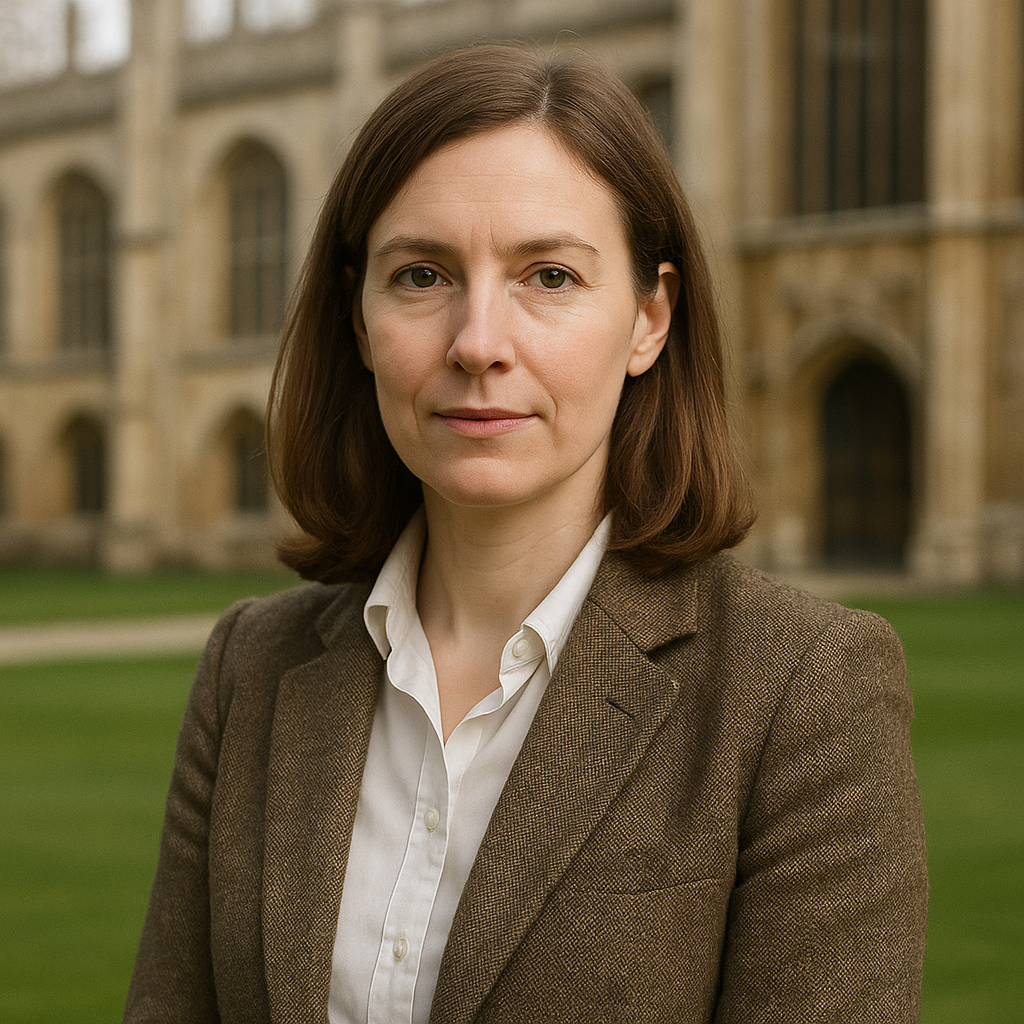 By Harriet Lockwood · 29 April 2026 · 14 min read
The Cambridge AI for climate science collaboration 2026 now underway at the University of Cambridge marks a significant milestone in how research institutions, startups, and policy advocates align to tackle climate and biodiversity challenges through artificial intelligence. In a year already crowded with AI-for-science programs, Cambridge’s coordinated efforts stand out for their breadth, cross-disciplinary reach, and concrete milestones. On February 16, 2026, Cambridge Zero and its partners unveiled the Cambridge Climate Challenge 2026, a campus-wide competition designed to accelerate AI-enabled climate solutions across science, engineering, business, and public policy. The plan is not only to award cash prizes but also to catalyze ongoing collaboration across Cambridge’s research ecosystem, positioning Cambridge as a leading hub for Cambridge AI for climate science collaboration 2026. The competition announced nine finalist teams tightly integrated with climate action goals, with the Grand Final scheduled for May 1, 2026 at King’s College, Cambridge, delivering a clear timeline and measurable outcomes for readers, policymakers, and potential industry partners alike. (zero.cam.ac.uk)
Beyond the competition itself, Cambridge’s 2026 climate-and-AI programmatic calendar includes high-profile events designed to translate research into policy and practice. On March 13, 2026, the Cambridge Climate Science Roundtable convened at the Maxwell Centre to surface research gaps and identify collaboration opportunities within the University and beyond. A few days later, on March 18, 2026, Cambridge Zero hosted Regulating AI for Climate and Nature, a panel discussion staged as part of Cambridge Festival and Cambridge Climate Week, featuring leaders from academia, law, business, and policy. These activities underscore a broader strategy to fuse AI innovations with climate science in a way that is verifiable, policy-relevant, and accessible to the public. (zero.cam.ac.uk)
Crucially, Cambridge’s AI-for-climate effort rests on structured programs that extend well beyond a single competition or event. The AI for Climate & Nature initiative, a collaboration among Cambridge Zero, the Cambridge Conservation Initiative, Conservation Evidence, the Institute for Computing for Climate Science, the Conservation Research Institute, and the Cambridge Earth Observation groups, is designed to create real-time data integrations and decision-support tools for climate and biodiversity planning. The project’s goals include developing AI algorithms capable of integrating satellite imagery, climate models, species distribution data, and conservation research; building a platform for up-to-date climate indicators; and providing actionable insights for policymakers and practitioners. The multidisciplinary leadership and the breadth of partners reflect Cambridge’s intent to scale Cambridge AI for climate science collaboration 2026 from pilot projects into institution-wide leverage. > “Mitigating the impacts of climate change while maintaining and restoring biodiversity demands urgent, evidence-based action. We’re excited to bring together an interdisciplinary team across computer science, ecology, climate and conservation to use AI to empower decision-makers to equitably tackle the biggest challenge of our generation.” (ai.conservation.cam.ac.uk)
The university’s broader AI-for-science ecosystem also features programs designed to translate research into practice. The ai@cam initiative, Cambridge’s central hub for AI-enabled science and society, has highlighted funding calls and bootcamps in early 2026 designed to accelerate collaborations between Cambridge researchers and external partners, including local government and industry. The February 2026 Local Government AI Accelerator and the January 2026 AI Sciencepreneurship Bootcamp illustrate Cambridge’s commitment to moving AI from theory to impact, a core element of Cambridge AI for climate science collaboration 2026. These programs create a pipeline for climate-focused AI ideas to mature through funding, mentorship, and cross-sector partnerships. (ai.cam.ac.uk)
The festival calendar in 2026 also reflects Cambridge’s intent to normalize public-facing debates about AI and climate. The Cambridge Festival 2026 program, announced in mid-February, features more than 350 events across Cambridge and partner institutions, with sessions that probe the ethics, governance, and practical implications of AI in climate and other domains. The festival’s emphasis on climate questions—paired with a robust lineup of researchers, policymakers, and public figures—signals a deliberate move to connect Cambridge AI for climate science collaboration 2026 with broader civic discourse. (cam.ac.uk)
Section 1: What Happened
Cambridge Climate Challenge 2026 finalists and the Grand Final
In a tightly choreographed sequence, Cambridge Zero announced the finalists for the Cambridge Climate Challenge 2026 on April 16, 2026. Nine finalist teams were selected from across the University of Cambridge and its wider community, reflecting the competition’s emphasis on cross-disciplinary collaboration and real-world impact. The tracks included concept-stage teams such as Bimurix, Canopy, Circulet, Methane Emission Intelligence (MEI), Smokeless Stubble Initiative (SSI), and SupportCycle, as well as early-venture teams including A&A Cashew Bioethanol, GreenMixes, and Landscape Evaluation and Nature Strategies (LENS). The finalists collectively illustrate the breadth of Cambridge’s climate and AI focus, spanning sustainable materials, responsible finance, circular economy models, AI-driven conservation, climate resilience, and data-driven policy support. The competition underscores Cambridge’s appetite for applying AI to a spectrum of climate challenges, from built-environment decision support to community-level adaptation strategies. (zero.cam.ac.uk)

Photo by Mohamed Nohassi on Unsplash
The Grand Final, scheduled for Friday, May 1, 2026, at King’s College Cambridge, will feature pitches before a panel of expert judges, followed by a Q&A and awards. Prize money totals up to £5,000, augmented by tailored business-support awards and opportunities for incubation or further mentorship. The event is designed to connect researchers with industry and policy partners, spotlighting ideas that can be scaled into commercially viable or publicly deployable solutions. The Cambridge Climate Challenge’s organizer, Cambridge Zero, frames the competition as a platform to accelerate move-from-idea-to-impact dynamics, with a focus on net-zero and climate-resilient outcomes. (zero.cam.ac.uk)
Cambridge Zero notes that the Challenge sits within a broader ecosystem of climate-AI collaboration at Cambridge, including partnerships with the Maxwell Centre, the Maxwell Institute’s entrepreneurship arm, and CISL (Cambridge Institute for Sustainability Leadership). These collaborations leverage Cambridge’s academic depth and entrepreneurial support network to turn climate and AI research into scalable societal benefits. The 2026 finalist slate, and the final’s open invitation to the wider Cambridge community, reflect a deliberate strategy to blend research excellence with entrepreneurship and public engagement. (zero.cam.ac.uk)
Cambridge Climate Science Roundtable and related policy conversations
The Cambridge Climate Science Roundtable on March 13, 2026, brought together Cambridge’s climate science community to discuss cutting-edge questions in oceanography, atmospheric science, earth system modelling, and climate projection. Hosted by the Cambridge Centre for Climate Science (CCfCS) in collaboration with the Institute of Computing for Climate Science (ICCS) and Cambridge Zero, the event was built around small-group discussions and tangible networking sessions. It aimed to map current research, identify gaps, and surface potential collaborations that could unlock new funding and project opportunities. The Roundtable’s agenda underscored a shared commitment to aligning climate science with computational advances and cross-disciplinary insights, creating a more integrated Cambridge AI for climate science collaboration 2026. This format—structured discussions, followed by wrap-ups and follow-up networking—helps convert conversations into research initiatives and joint grant proposals. (zero.cam.ac.uk)
In addition to the Roundtable, the Cambridge Zero-hosted panel on regulatory and policy dimensions of AI for climate and nature—Regulating AI for Climate and Nature—took place on March 18, 2026. This event highlighted how policy, law, and governance intersect with AI-enabled climate solutions, and it examined whether new regulatory frameworks are needed or whether integrating AI governance into existing measures may suffice. The panel featured a keynote by Yu-Ting Kuo of Microsoft’s Agent AI leadership, and included perspectives from Cambridge researchers such as Professor Richard Turner, a machine learning expert with ties to the Alan Turing Institute’s weather-prediction work. The event was positioned within the Cambridge Festival and Cambridge Climate Week, underscoring Cambridge’s strategy to weave technical AI advances with policy discussions in a publicly accessible format. (zero.cam.ac.uk)
Cambridge’s climate-AI activity in 2026 is not limited to one-off events. The Initiative on AI for Climate & Nature explicitly frames collaboration across multiple Cambridge entities—Zero, Conservation Initiative, ICCS, Centre for Earth Observation, and others—into a coherent program that aims to deliver practical AI-enabled tools for climate decision-making. The program’s goals include real-time indicators, platform-based insights, and robust data integration across heterogeneous datasets. The explicit emphasis on cross-disciplinary teams—between computer science, ecology, climate science, and policy—illustrates a deliberate attempt to move Cambridge AI for climate science collaboration 2026 from theoretical research into deployable solutions that policymakers and practitioners can use. The project lists a broad roster of contributors, including leading researchers from zoology, conservation science, climate modelling, and computer science, which signals a long-term, institution-wide commitment to AI-enabled climate solutions. (ai.conservation.cam.ac.uk)
Related initiatives and early-stage programs fueling momentum
A complementary thread in Cambridge’s 2026 climate-AI landscape is the ai@cam initiative, which has highlighted the January 2026 AI Sciencepreneurship Bootcamp and February 2026 Local Government AI Accelerator as key steps in translating AI research into practical, impact-oriented applications. The bootcamp’s outcomes—such as teams that evolved into Nature Network or AI-based climate risk tools—demonstrate the pipeline effect that Cambridge seeks to institutionalize: an idea matures into a real product or service with potential public benefit and market viability. The presence of these programs alongside high-profile climate-AI events helps to create a robust ecosystem around Cambridge AI for climate science collaboration 2026, ensuring sustained momentum beyond a single competition or conference. (ai.cam.ac.uk)

Photo by Phil Hearing on Unsplash
In parallel, Cambridge’s AI-for-Nature research narrative is being advanced through the AI for Climate & Nature project, which emphasizes data integration, real-time indicators, and decision support for climate and biodiversity planning. The project’s goals include integrating satellite imagery, climate models, species distribution data, and conservation effectiveness research into AI tools that can inform policy and practice. The presence of this project on Cambridge’s AI landscape signals a deep, long-term commitment to cross-pollination between climate science and AI engineering, reinforcing the notion that Cambridge AI for climate science collaboration 2026 is not a single event but a sustained program. (ai.conservation.cam.ac.uk)
Section 2: Why It Matters
Impact on research, policy, and industry collaboration
The Cambridge AI for climate science collaboration 2026 initiative matters for several reasons. First, the nine finalist teams selected for the Cambridge Climate Challenge 2026 illustrate the depth of interdisciplinary work now happening within Cambridge, combining material science, circular economy design, digital platforms for charitable giving aligned with climate goals, AI-driven data infrastructure for emissions accounting, and climate-resilience solutions for urban planning. This cross-pollination is essential to create AI solutions that can be deployed in real-world settings rather than remaining in theoretical or laboratory contexts. The competition’s structure—tracks for concept-stage concepts and early-venture teams—creates a staged path from ideation to demonstrable impact, a model that other universities might emulate as they pursue Cambridge AI for climate science collaboration 2026. (zero.cam.ac.uk)

Photo by Chris Cooper on Unsplash
Second, Cambridge’s policy-oriented conversations, such as Regulating AI for Climate and Nature, matter because they help bridge the gap between fast-moving AI capabilities and governance frameworks that ensure environmental safety, transparency, and accountability. By hosting policy-focused discussions in the context of Cambridge Festival and Cambridge Climate Week, Cambridge Zero is signaling an approach that seeks to harmonize innovation with responsible governance. This approach is particularly important because AI-enabled climate insights can influence public investment, regulatory choices, and risk management in sectors like insurance, energy, and infrastructure. The event’s panel composition—featuring legal scholars, corporate leaders, and researchers—highlights the cross-sector perspectives that are vital to translating Cambridge AI for climate science collaboration 2026 into policy-relevant tools. (zero.cam.ac.uk)
Third, the portfolio of programs—AI for Climate & Nature, ai@cam initiatives, and climate-focused symposia—creates a structured ecosystem for collaboration between Cambridge’s departments and partner organizations. The collaboration across Cambridge Zero, ICCS, CISL, Centre for Earth Observation, and related centers demonstrates a coordinated strategy to harness AI for climate science at scale, rather than as isolated experiments. This approach is aligned with global trends in AI-assisted climate research, and it signals to international partners that Cambridge intends to be a hub for climate AI collaboration in 2026 and beyond. The breadth of participating groups and the publicly stated goals (real-time indicators, data integration, decision-support tooling) underpin the strategic importance of Cambridge AI for climate science collaboration 2026 for the region and for the global research community. (ai.conservation.cam.ac.uk)
Who is affected and what’s at stake for readers
The Cambridge AI for climate science collaboration 2026 footprint touches multiple stakeholder groups. Students and early-career researchers gain access to funding, mentorship, and structured pathways to translate research into market-ready solutions; finalists in the Cambridge Climate Challenge 2026 have the chance to secure cash prizes and business support, potentially accelerating the formation of new ventures or research collaborations. Researchers benefit from a clearer pipeline—from ideation to demonstration to dissemination—embedded in Cambridge’s institutional fabric. Industry partners gain early visibility into Cambridge’s AI-enabled climate tools and the potential to co-develop solutions that could be piloted in local or national contexts. Policymakers benefit from closer alignment between climate science and AI-enabled decision-support systems, enabling more informed policy decisions and faster deployment of climate-resilience measures. The public, in turn, gains access to accessible events like Regulating AI for Climate and Nature and Cambridge Festival discussions, which bring complex technical debates into the public sphere. (zero.cam.ac.uk)
The emphasis on transparency and public engagement also matters for Cambridge’s reputation as a research hub. By coordinating competitions, roundtables, policy panels, and public-facing festivals around AI and climate, Cambridge is signaling a mature, data-driven stance toward AI in climate science—an approach that can help policymakers evaluate evidence, compare competing approaches, and adopt data-informed strategies. In this sense, Cambridge AI for climate science collaboration 2026 has the potential to influence not only academic collaboration but also municipal planning, corporate sustainability programs, and international research partnerships that look to Cambridge as a model. (zero.cam.ac.uk)
Section 3: What’s Next
Upcoming milestones and near-term expectations
Several milestones are already pinned in the Cambridge AI for climate science collaboration 2026 calendar. The Cambridge Climate Challenge 2026 Grand Final on May 1, 2026, at King’s College Cambridge, is the centerpiece of the competition phase. The event promises to showcase nine finalist teams’ approaches to climate challenges, with judges assessing the feasibility, impact, and scalability of each proposal. Given the competition’s track record and Cambridge Zero’s leadership, this final could catalyze new partnerships, pilot projects, or follow-on funding. The Grand Final’s date is complemented by ongoing activity around the Cambridge Climate Challenge, including training sessions, workshops, and mentorship programs designed to prepare teams for investor or partner engagement. (zero.cam.ac.uk)
In parallel, Cambridge’s CCfCS Symposium on April 9, 2026, at the Centre for Mathematical Sciences, will offer another major platform for climate scientists and AI researchers to present work, share data resources, and identify collaboration opportunities across Cambridge and partner institutions. The event’s emphasis on talks and posters from across Cambridge and the British Antarctic Survey creates a broader ecosystem for climate research, including AI-enabled analysis and modelling techniques that could feed into Cambridge AI for climate science collaboration 2026. Observers will be watching for cross-institutional partnerships and potential joint grant proposals that emerge from this symposium. (climatescience.cam.ac.uk)
On the policy and governance front, March 18’s Regulating AI for Climate and Nature will likely set the tone for how Cambridge researchers and industry partners design and deploy AI tools in climate contexts. As AI governance debates intensify globally, Cambridge’s approach—grounded in a university-driven, multi-stakeholder dialogue—could yield concrete recommendations or pilot regulatory pilots that other universities or city partners might follow. The result could be a set of Cambridge-informed best practices for AI-assisted climate decision-making that other institutions seek to adopt or adapt. (zero.cam.ac.uk)
Looking further ahead, the Cambridge Festival program’s climate-and-AI themes are likely to continue expanding, with more events scheduled to weave together scientific data, artistic interpretation, and public policy concerns. The Festival’s 2026 edition showcases Cambridge’s commitment to presenting climate questions in a way that is accessible to diverse audiences, and it offers an ongoing channel for disseminating Cambridge AI for climate science collaboration 2026 insights to the public and to potential partners. As AI tools mature, festival discussions may spawn partnerships, co-created exhibits, or public-first pilots designed to test AI-driven climate interventions in urban settings or natural environments. (cam.ac.uk)
What to watch for and potential implications
Several factors will determine how Cambridge AI for climate science collaboration 2026 unfolds in the months ahead. First, the outcomes of the Cambridge Climate Challenge 2026 Grand Final will shape the program’s next phase. Will the winning teams secure follow-on funding, or will the network of mentors and sponsors open doors to pilot projects or early-stage investments? The presence of prominent Cambridge partners—Cambridge Enterprise, the Maxwell Centre, EnergyIRC, and CISL Canopy among others—suggests a high likelihood that at least some finalists will move forward into tangible projects. The competition’s emphasis on cross-disciplinary skill sets hints at a broader trend toward multi-stakeholder collaborations in climate-AI research, which could influence how funding bodies evaluate proposals with mixed technical and social impact dimensions. (zero.cam.ac.uk)
Second, the policy and governance dialogues—like Regulating AI for Climate and Nature—will likely produce a set of practical insights, frameworks, or recommendations that live beyond the event. If these discussions yield concrete regulatory or governance proposals, Cambridge could become a reference point for other universities seeking to align AI development with climate objectives in a responsible, transparent way. This would strengthen Cambridge’s role as a thought leader in the field and could spur international collaborations that adopt Cambridge’s governance approach as a template. (zero.cam.ac.uk)
Third, Cambridge’s ecosystem approach—combining AI for climate and nature with AI-in-science initiatives and the ai@cam programs—may accelerate the translation of research into practice. The pipeline from bootcamps and accelerator programs to funded research and public-facing tools could produce a steady stream of climate-AI solutions that are not only technically robust but also market-viable and policy-relevant. If this pipeline proves effective, Cambridge AI for climate science collaboration 2026 could become a model for other universities seeking to integrate AI innovation with climate action in a holistic, institution-wide approach. (ai.cam.ac.uk)
Closing
Cambridge’s AI-driven climate initiative in 2026 is unfolding as a carefully coordinated suite of competitions, roundtables, policy discussions, and public-facing events. The Cambridge Climate Challenge 2026 finalists showcase a spectrum of ideas that leverage machine learning, data science, and AI-assisted decision-support to address climate resilience, emissions accounting, and sustainable design. At the same time, Cambridge’s climate-and-AI projects and policy dialogues provide essential governance scaffolding, ensuring that innovation is guided by evidence, transparency, and public engagement. The net effect is a Cambridge AI for climate science collaboration 2026 that not only advances climate research but also builds a practical bridge to policy, industry, and daily life.
Readers looking to stay informed can track Cambridge Zero’s news pages, the ai@cam platform’s updates, and Cambridge Festival announcements for ongoing coverage of climate-AI developments. The next several weeks promise surveys of emerging partnerships, grant opportunities, and new AI-driven climate tools that could be deployed in Cambridge and beyond. As AI continues to reshape climate science, Cambridge’s coordinated approach in 2026 serves as a benchmark for how universities can organize interdisciplinary teams, harness cutting-edge technologies, and responsibly bring climate insights to public and private decision-making.