Cambridge Academic Anna Korhonen Appointed to UN Panel on AI
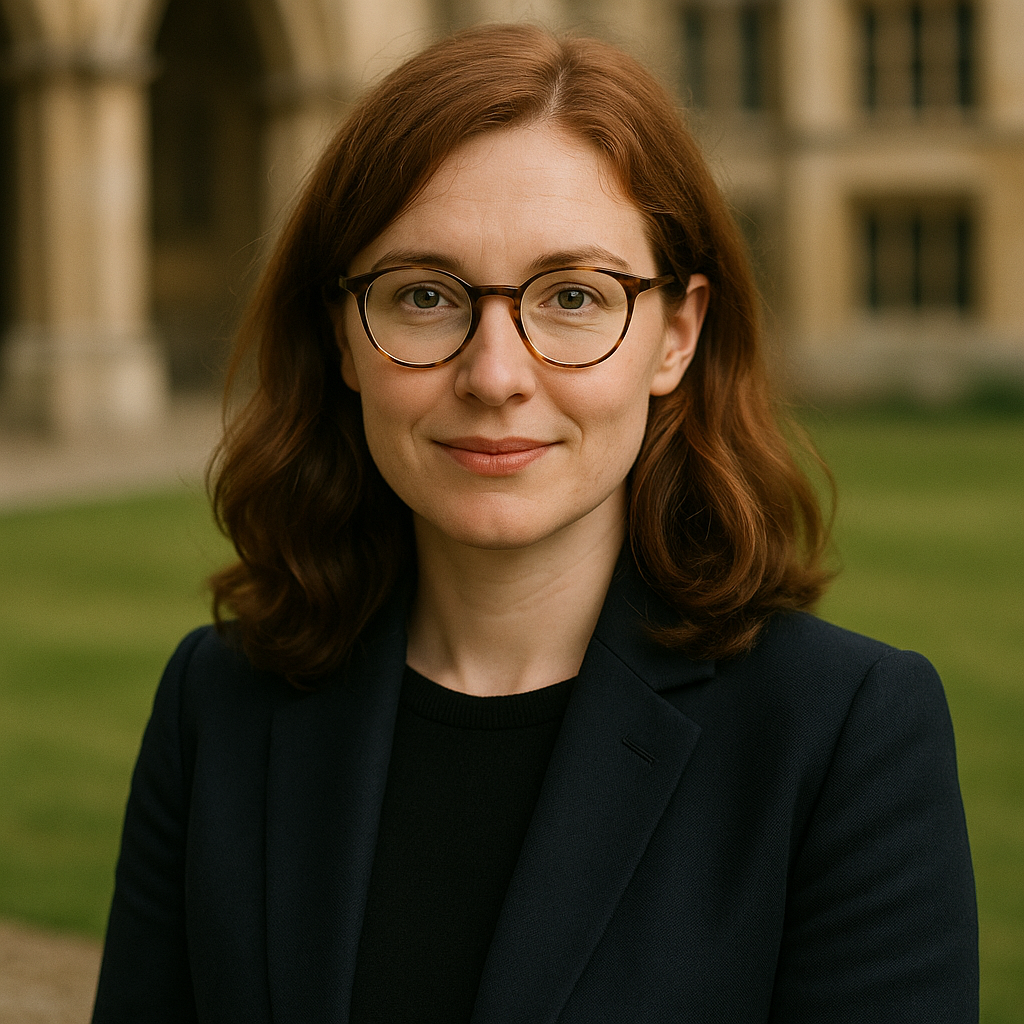

Photo by Divyansh Jain on Unsplash
In a landmark development for global AI governance, Cambridge academic Anna Korhonen appointed to UN panel on AI. The announcement, dated February 12, 2026, confirms that Korhonen, a leading figure in natural language processing and human-centered AI research, will serve as a member of the Independent International Scientific Panel on Artificial Intelligence. The new panel, composed of 40 global experts, was established by the United Nations General Assembly to scrutinize how AI technologies transform societies and economies and to produce an annual, evidence-based assessment presented at the UN Global Dialogue on AI Governance. The Cambridge announcement, published February 13, 2026, frames this as a milestone for both Cambridge and the international AI community. The UN’s regional information center for Western Europe quickly echoed the news, highlighting the panel’s role as the world’s first global scientific body focused on AI governance and its three-year term. Cambridge and UN officials alike emphasize a commitment to rigorous, human-centered AI research that serves global public good. Cambridge’s official news release quotes Korhonen herself, underscoring the alignment between her research in responsible AI and the panel’s mission. “I am honoured to be appointed to this panel, which serves as the first global scientific body on Artificial Intelligence,” she said, adding that the appointment aligns with her work on responsible AI for sustainable development. “I am looking forward to taking up my place on the panel at its first meeting.” (cam.ac.uk)
The appointment comes at a moment when AI governance is moving from theoretical debate to structured, international oversight. UN officials described the Independent International Scientific Panel on AI as a multidisciplinary body that will help ensure AI benefits are balanced against risks, with an emphasis on transparency, accountability, and inclusive policymaking. The panel’s work will feed into global dialogues on AI governance and contribute to establishing norms, standards, and governance frameworks that can be adopted across countries with varying levels of technical capacity. The announcement notes that the panel’s members were selected from more than 2,600 candidates through a rigorous, independent review process coordinated by ITU, UNESCO, and the UN Office for Digital and Emerging Technologies. The UN press materials confirm that the panel is intended to operate across regions and sectors, reflecting diverse expertise in core AI technology, safety, and policy impact. Today’s development is therefore not only a recognition of Korhonen’s research leadership but also a signal of Cambridge’s ongoing influence in shaping global AI policy. The UN and Cambridge statements together frame this appointment as part of a broader effort to harness AI for public good, with a focus on human-centric design and sustainable development objectives. Korhonen’s colleagues at Cambridge extended their congratulations, and university leadership noted that her appointment represents a strong intersection of academic excellence and international policy engagement. (cam.ac.uk)
Section 1: What Happened
Appointment to a Global AI Governance Panel
A new UN-backed scientific body
The core development is the creation and staffing of the Independent International Scientific Panel on Artificial Intelligence, described by UN sources as the first global scientific body dedicated to AI governance. The General Assembly appointed 40 members on February 12, 2026, to serve three-year terms and to provide annual, evidence-based assessments of AI’s opportunities, risks, and impacts. Anna Korhonen of Finland is among the appointed members, joining a diverse cohort of researchers, practitioners, and policy experts from across the UN regional blocs. This appointment was publicly announced by both the University of Cambridge and UN-affiliated information channels on February 12–13, 2026. The formal press materials emphasize that the Panel’s outputs aim to inform global decision-making and contribute to the Global Dialogue on AI Governance. The United Nations Western Europe Information Centre explicitly notes the three-year mandate and the intention to publish an annual analytical report. (cam.ac.uk)
Korhonen’s Cambridge roles and the panel’s mandate
Korhonen is a Professor of Natural Language Processing at Cambridge and a prominent leader in the Cambridge Language Technology Laboratory (LTL). In addition to co-directing LTL, she directs the Centre for Human-Inspired Artificial Intelligence (CHIA) and is a senior fellow at Churchill College. The Cambridge release frames her appointment as a continuation of her work on human-centric AI and AI-for-sustainable development, underscoring the university’s emphasis on rigorous, interdisciplinary approaches to AI research. The panel’s mandate, as described by UN and Cambridge sources, centers on producing annual, scientifically grounded assessments that help policymakers—regardless of their technical background—engage with AI governance in a meaningful way. Korhonen’s own statements in Cambridge’s release emphasize a commitment to responsible AI that prioritizes human well-being and global impact. The UN and Cambridge materials also highlight the panel’s composition as globally representative, including experts from academia, industry, and civil society. (cam.ac.uk)
First meeting and launch timeline
Anna Korhonen’s Cambridge quotes indicate anticipation for the panel’s first meeting, signaling an immediate transition from appointment to active governance work. The Cambridge page notes that Korhonen welcomed the panel’s first assembly, while UN communications frame the panel’s establishment as a foundational step toward global scientific understanding of AI. The exact date of the first panel meeting was not specified in the Cambridge release, but both sources confirm that initial organizational steps and meetings are imminent, with the panel expected to begin its work within months of the February 12, 2026 appointment. The UN press materials reiterate that the panel’s annual reporting cycle will begin promptly, aligning with the three-year term and ongoing global dialogue. (cam.ac.uk)
Section 2: Why It Matters
Global AI Governance and Public Good
A milestone for international AI policy

The appointment of Korhonen to the UN panel on AI is positioned as a milestone in the formalization of international AI governance. The panel’s stated mission—to synthesize existing research and offer impartial assessments of AI’s societal and ethical implications—addresses a gap identified by policy makers and researchers alike: the need for independent, globally coordinated, evidence-based guidance as AI technologies scale. UNRIC highlights that the panel’s work will feed into broader governance discussions and the Global Dialogue on AI Governance, with the aim of informing member states and enabling inclusive engagement with AI policy. This signals a shift from national or industry-led AI discussions toward a coordinated UN-supported framework that incorporates a diverse set of viewpoints and expertise. The panel’s three-year tenure ensures continuity while allowing for iterative learning and policy refinement across administration cycles. (unric.org)
Cambridge’s ongoing leadership in human-centric AI
Korhonen’s appointment reinforces Cambridge’s standing as a hub for human-centric AI research that intersects with policy and societal impact. The university’s official profile of Korhonen emphasizes her leadership roles in CHIA and LTL and frames her work as focusing on AI that understands and benefits people across languages and cultures. Cambridge’s news release also notes Korhonen’s long-standing engagement with responsible AI and sustainable development themes, aligning her research trajectory with the UN panel’s objectives. This alignment is important not only for Cambridge’s institutional reputation but also for the broader ecosystem Cambridge has cultivated—one that couples technical excellence with policy-relevant, globally oriented applications. The panel’s emphasis on human-centered AI dovetails with Cambridge’s own strategic priorities and existing collaborations with international partners. (cam.ac.uk)
Implications for AI research, ethics, and governance
From a research governance perspective, Korhonen’s inclusion on the panel signals a stronger emphasis on cross-disciplinary perspectives in AI policy: linguistic technologies, cognitive considerations, ethics, and social impact will be considered alongside technical advancements. The UN and Cambridge materials stress that the panel’s outputs will address both opportunities and risks, including issues of safety, ethics, and equitable access to AI benefits. This integrative approach matters for researchers who work on multilingual NLP, AI fairness, and global digital inclusion, as it creates a formal pathway for translating technical findings into governance guidance and public policy. For industry watchers and policy analysts, Korhonen’s role may help connect Cambridge’s research strengths with international standards development and governance discussions that shape investments, regulation, and public trust in AI technologies. (unric.org)
Broader context: AI governance in a multipolar world
The UN press materials emphasize that the panel brings together experts from all five UN regions, reflecting a deliberate effort to diversify perspectives in AI governance. In a era where AI deployment varies widely by geography and development level, such representation is critical for credible, inclusive policy work. Analysts note that the panel’s annual reporting and its role in informing the Global Dialogue on AI Governance will be essential for aligning international norms with national policies, industry practices, and civil society needs. Korhonen’s appointment thus sits at the intersection of academia, international diplomacy, and public policy—a nexus that Cambridge has actively cultivated through CHIA and LTL collaborations, as well as through international engagements in AI ethics and human-centric AI design. (unric.org)
Who It Affects and What It Signals
Stakeholders across sectors
The panel’s work will touch a broad set of stakeholders: researchers and universities, technology companies, legislators, civil society organizations, and the general public. For researchers, the panel may influence funding priorities, interdisciplinary collaborations, and the framing of global AI challenges. For policymakers, the annual reports can serve as a baseline for regulatory considerations, risk mitigation, and the strategic deployment of AI in development contexts. For Cambridge and its partners, Korhonen’s role enhances opportunities for collaboration with international bodies, potential policy advisory tasks, and the translation of cutting-edge NLP research into governance-relevant insights. The UN and Cambridge statements together underscore the value of bridging rigorous science with actionable policy guidance, a balance that is often difficult to achieve in fast-moving technology sectors. (cam.ac.uk)
The human-centered and sustainable development lens
Korhonen’s speech and Cambridge’s framing of her work emphasize a commitment to human-centered AI—an approach that prioritizes user needs, inclusivity, and societal impact. The panel’s focus on reporting opportunities and risks through evidence-based assessments aligns with Cambridge’s own emphasis on responsible AI development that supports sustainable development goals. This alignment is particularly relevant in multilingual and culturally diverse contexts where language technologies can either reduce barriers or perpetuate biases if not carefully managed. The UNRIC article notes that the panel’s assessments will contribute to global understanding of AI’s impacts on people, economies, and governance structures, reinforcing the idea that AI policy must be rooted in rigorous science rather than reactive rhetoric. (unric.org)
Section 3: What’s Next
Next Steps for Korhonen and the Panel
Immediate actions and expected outcomes

In the near term, Anna Korhonen is expected to participate in the panel’s organizational activities and its first formal meeting, which will set the tone for the panel’s governance framework, reporting cadence, and cross-disciplinary collaboration. Cambridge’s release quotes Korhonen expressing eagerness to contribute to a global, science-based understanding of AI and its governance implications. The panel’s mandate to publish annual, evidence-based reports will begin to take shape as soon as the first year of work is completed, with early findings likely to influence the forthcoming discussions at the Global Dialogue on AI Governance and related UN-led initiatives. The UN press materials emphasize the panel’s purpose to synthesize current research and produce assessments that are accessible to policymakers worldwide, a crucial bridge between technical research and policy decisions. (cam.ac.uk)
Monitoring and accountability mechanisms
As with any high-profile governance initiative, accountability will hinge on transparent processes, diverse expertise, and timely dissemination of results. The panel’s structure—a group of 40 members representing multiple regions and sectors—helps ensure balance and credibility. The annual reporting mechanism will provide a recurring touchpoint for member states, researchers, and civil society to scrutinize AI’s progress, risks, and governance gaps. Cambridge and UN communications suggest that the panel’s outputs will influence policy discussions and help set a global baseline for AI governance standards, safety benchmarks, and socio-economic impact assessments. Stakeholders should watch for the first formal panel report, updates from the Global Dialogue on AI Governance, and any subsequent policy guidance issued by UN agencies or regional bodies aligned with the panel’s work. (unric.org)
What to watch for in the next 12–18 months
Key milestones to anticipate include:
- The panel’s inaugural meetings and the establishment of its governance framework, including objectives, working groups, and reporting templates.
- The first annual scientific report, which will synthesize current AI research across regions and present policy-relevant recommendations for governance, safety, and ethical use.
- Public-facing events and briefings connected to the Global Dialogue on AI Governance, where the panel’s findings are discussed with Member States, international organizations, and civil society.
- Potential collaborations with Cambridge and CHIA to translate panel findings into practical research agendas, policy white papers, and educational initiatives that advance human-centric AI practices globally. These milestones would be consistent with the panel’s mandate and the UN’s published materials, and readers should expect detailed updates through Cambridge News and UN communications channels. (unric.org)
Closing
This development places Cambridge at the heart of a growing international conversation about AI governance and ethical deployment. Cambridge academic Anna Korhonen appointed to UN panel on AI signals a concerted effort to fuse rigorous scientific inquiry with policy-relevant insight, ensuring that AI’s transformative potential serves broad public interests. As the panel begins its work and its first meeting approaches, readers can expect a stream of analyses, evidence-based assessments, and policy-forward recommendations that will shape how governments and organizations navigate AI’s opportunities and risks in the years ahead. Cambridge and UN communications together point toward a future where human-centric AI research informs global governance, contributing to more inclusive, transparent, and accountable AI development.
To stay updated on Korhonen’s UN panel activities and related AI governance developments, monitor Cambridge News releases, the UNRIC updates, and official UN documentation. These sources provide ongoing, authoritative context as the panel’s work unfolds and its annual report begins to take shape.
“I am honoured to be appointed to this panel, which serves as the first global scientific body on Artificial Intelligence,” Korhonen said. “The appointment aligns closely with my research on developing responsible, human-centred AI and applying it to support global sustainable development. I am looking forward to taking up my place on the panel at its first meeting.” (cam.ac.uk)
“This appointment is recognition of Anna’s research focus around how to harness this incredible technology – Artificial Intelligence - for human good. She will be a fantastic representative not just for Cambridge but for UK research as a whole.” (cam.ac.uk)