Open Research Governance in UK Universities: a Landscape
Explore a comprehensive, data-driven analysis of Open Research Governance in UK Universities and its ever-evolving policy landscape.
 By Dominic Carr · 23 July 2026 · 13 min read
Open Research Governance in UK Universities is moving from a collection of policy notes into a visible, institution-wide practice across leading UK research universities. The Cambridge Review’s latest data-driven briefing highlights how open research governance is being structured, monitored, and evolved to align with funder expectations, international frameworks, and the evolving needs of researchers, institutions, and the public. As open practices become more central to how research is funded, conducted, and shared, universities are threading governance into every stage of the research lifecycle—from data management and open access publishing to responsible metrics and cross-institution collaboration. The development is not limited to one campus or one policy room; it is a pan-UK trend shaped by national frameworks and global standards that universities are translating into local governance. This article surveys what happened, why it matters, and what comes next, with a data-driven lens intended for researchers, administrators, policymakers, and funders alike.
In the United Kingdom, Open Research governance has clear anchors in established frameworks and funder expectations. At the University of Cambridge, governance is organized around two formal bodies—the Open Research Steering Committee and the Open Research Operational Group—which oversee a policy ecosystem that includes an Open Research Position Statement and a suite of policy frameworks. The Cambridge Open Research Position Statement, first issued in 2018 and updated through 2024, defines how the university embeds open practices across the lifecycle, balancing openness with legitimate constraints such as confidentiality, IP, GDPR, and funder requirements. The Statement is maintained by the Open Research Steering Committee and is complemented by detailed policy frameworks on open access, data management, self-archiving, and related areas. The governance structure and the ongoing updates reflect Cambridge’s intent to harmonize internal policy with external standards while preserving flexibility for disciplinary variation. [Citations: Cambridge Open Research Governance page; Open Research Position Statement page; Cambridge review of governance terms; Open Research at Cambridge overview] (openresearch.cam.ac.uk)
This moment is part of a broader policy milieu that extends beyond Cambridge. The UK Research and Innovation (UKRI) Open Research information hub emphasizes that open research is integral to funder expectations for data sharing, openness, and responsible governance. UKRI notes that its open access policy, introduced in 2021, and ongoing developments in research data management and governance—along with concordats like the Concordat on Open Research Data—shape institutional practice across the UK. The UKRI site also highlights that, as of 2026, resources and guidance continue to be updated to help organisations implement open research practices, including data management and software stewardship, in line with national and international expectations. This national layer complements Cambridge’s university-level governance by providing a common reference frame for many institutions. [Citations: UKRI Open Research hub; UKRI Open Access policy; Concordat on Open Research Data] (ukri.org)
With this backdrop, the Cambridge Review offers a granular view of how one leading research university operationalizes open governance and how that approach is resonating across the sector. The Cambridge model emphasizes a formal governance mechanism, explicit policy frameworks, and ongoing alignment with international norms such as UNESCO’s Open Science recommendations, the San Francisco Declaration on Research Assessment (DORA), and national instruments like the UK Concordat on Open Research Data. The university’s governance narrative—anchored in a Position Statement and a clear governance hierarchy—illustrates how a complex research ecosystem can be steered toward openness without compromising data protection, ethics, or competitive integrity. The Cambridge experience provides a useful reference point for other universities seeking to implement or refine their own Open Research governance structures. [Citations: Cambridge governance page; UNESCO/Concordat references in Cambridge materials; Cambridge Position Statement details] (openresearch.cam.ac.uk)
Section 1: What Happened
Background and Framework Emergence
Open research governance has shifted from a niche policy domain to a formal, monitored practice across UK universities. In Cambridge, the governance framework rests on two key bodies—the Open Research Steering Committee and the Open Research Operational Group—which together oversee policy direction and operational delivery. The Steering Committee provides strategic oversight and policy direction, while the Operational Group manages day-to-day activities, engages researchers, liaises with service providers, and ensures the long-term availability of open outputs through institutional repositories like Apollo and other preservation systems. This arrangement is designed to ensure that open practices are embedded across faculties, departments, and research support services, with a view to aligning incentives, raising awareness, and maintaining the integrity of open outputs. The governance structure sits atop a broader policy ecosystem that includes the Open Research Position Statement, data management policies, and self-archiving policies. The governance design and the statement’s renewal schedule reflect Cambridge’s intent to stay current with external developments while maintaining a robust internal governance scaffold. [Citations: Governance page; Position Statement details; Open Research Steering Committee and Operational Group descriptions] (openresearch.cam.ac.uk)
Timeline of Announcements and Key Decisions
- November 2018: The Open Research Position Statement is first created to summarize Cambridge’s approach to open research, set expectations for researchers, and outline institutional support for open practices. The initial version later evolved in response to policy developments and broader international guidance. [Original creation date listed in the Position Statement] (openresearch.cam.ac.uk)
- October 2024: The Position Statement undergoes formal review, reflecting developments since 2019 and aligning with evolving policy contexts. The 2024 review is part of a structured governance cycle that includes ongoing input from the Open Research Steering Committee. [Date for Review and Version notes] (openresearch.cam.ac.uk)
- February 2025: Cambridge approves Version 3 of the Position Statement, signaling continued governance refinement in response to policy shifts and practical experience across disciplines. The policy’s review and approvals trace a deliberate cadence intended to keep governance aligned with external expectations while preserving internal relevance. [Version notes indicating approval and review cycle] (openresearch.cam.ac.uk)
- 2026: Cambridge’s governance materials show continued emphasis on formal governance structures and ongoing engagement with external standards. The Open Research page notes that the governance framework remains informed by UNESCO’s Open Science recommendations, the UK Concordat on Open Research Data, and DORA, ensuring that Cambridge’s internal policies reflect widely accepted norms. The site also confirms that the next formal review is scheduled for November 2026. [Open Research governance at Cambridge; UNESCO/Concordat/DORA references; Next Review date] (cam.ac.uk)
Current Governance Structure and Responsibilities
Cambridge’s governance docs delineate two formal committees and a suite of policy frameworks. The Open Research Steering Committee provides strategic oversight, policy guidance, and external engagement, and it reports to the Research Policy Committee. The Open Research Operational Group handles the day-to-day management of the open research program, engages researchers, coordinates service providers, and supports research evaluation activities. The Position Statement establishes the university’s approach to open research and sets out the expectations of researchers, while acknowledging that discipline-specific constraints—such as commercial interests, data protection, and funder requirements—may require proportionate access restrictions. The governance framework also emphasizes the integration of services across libraries, the research office, and IT to support open outputs, data management, and training. [Citations: Governance page sections on Steering Committee/Operations; Position Statement content; Section on scope and constraints] (openresearch.cam.ac.uk)
External Frameworks and Cross-Institutional Alignment
Cambridge’s approach to open research is explicitly aligned with international and national norms. The Position Statement notes that it is informed by the UNESCO Recommendation on Open Science, the UK Concordat on Open Research Data, and the San Francisco Declaration on Research Assessment (DORA). This alignment signals a broader strategy: to integrate open practices into performance frameworks, research evaluation, and funder expectations while preserving the ability to tailor practices to disciplinary needs. Moreover, Cambridge’s policy ecosystem publicly references established open research infrastructure and tools, such as the Apollo repository and the Diamond Open Access platform, which helps ensure that outputs remain accessible and citable over time. By situating its governance within these recognizable frameworks, Cambridge provides a concrete path for other universities seeking to implement or audit their own governance structures. [Citations: Position Statement background; UNESCO/Concordat/DORA references; Open access and infrastructure references] (openresearch.cam.ac.uk)
What Happened in the Wider Sector
Beyond Cambridge, UKRI’s Open Research hub and related guidance shape how universities implement open research across the country. The UKRI site describes a landscape where open access, data sharing, and responsible governance are integrated into funding conditions, research data policies, and concordats. The “Last updated” note on the UKRI Open Research hub (May 5, 2026) underscores ongoing updates to policy guidance to keep pace with evolving practices, technologies, and ethical considerations. The 2021 UKRI Open Access policy and broader data management guidance illustrate how funders push for open outputs, while the Concordat on Open Research Data provides a shared reference point for universities and research organizations. Together with national and international norms, these developments create a cohesive but diverse governance environment in which UK universities must operate. [Citations: UKRI Open Research hub page; Open Access policy; Concordat on Open Research Data] (ukri.org)
Section 2: Why It Matters
Impact on Researchers and Institutions

Photo by Dominic Kurniawan Suryaputra on Unsplash
Open Research governance directly affects researchers’ daily workflows and career trajectories. At Cambridge, the Position Statement emphasizes that researchers are encouraged to embed open practices throughout the lifecycle, while also balancing openness with legitimate constraints such as data privacy, IP, and funder rights. This balanced approach matters for researchers who must navigate funder mandates (e.g., data sharing requirements, open access obligations) and for those who need to protect sensitive information or commercial interests. The policy framework also promotes recognition of open practices in hiring, promotion, and appraisal, signaling a broader cultural shift toward valuing openness as part of research quality and impact. The governance apparatus—particularly the Steering Committee’s oversight and the Operational Group’s service delivery—helps translate policy into practical support: training, infrastructure, and pathways to deposit outputs in repositories like Apollo, with long-term preservation. The end goal is a more transparent, reproducible, and internationally connected research ecosystem. [Citations: Position Statement purpose and scope; Cambridge governance structure; Open research support and services] (openresearch.cam.ac.uk)
Equity, Access, and Global Collaboration
A central rationale for open research governance is equitable access to knowledge. Cambridge’s Open Research Page frames openness as a driver of transparency, inclusion, collaboration, and broader impact. The Position Statement explicitly ties openness to equity and accessibility of outputs across disciplines and geographies, expanding opportunities for participation in research beyond traditional audiences. The UNESCO Open Science framework and the UK Concordat further reinforce these aims by promoting inclusive access to data and publications while protecting sensitive information where necessary. In practice, the result is greater global collaboration, more rapid reuse of data and methods, and improved trust in research outputs. In the Cambridge context, the emphasis on openness is paired with governance mechanisms that ensure compliance with ethical and legal obligations, offering researchers a predictable path to share outputs while staying aligned with funders and regulators. [Citations: Cambridge open research page; Position Statement on openness and inclusivity; UNESCO/Concordat references] (cam.ac.uk)
Policy Alignment with Funders and Regulators
Open research governance is the instrument by which universities translate funder requirements into operational practice. UKRI’s policy framework—notably its open access and data management guidance—creates a baseline expectation for institutions receiving funding. Cambridge’s governance narrative explicitly positions itself to respond to funder policies, including data sharing, open access, and responsible metrics, while providing institutional support to researchers to meet those expectations. The UKRI hub confirms that the policy environment is dynamic, with ongoing updates to guidance, including data policy drafts as of 2025 and 2026, which institutions must anticipate and incorporate. This alignment is not merely procedural; it influences how institutions allocate resources, train staff, develop infrastructure, and evaluate research outputs. The end state is a coherent, auditable governance system that enables researchers to comply with funders while maintaining institutional integrity and public accountability. [Citations: UKRI policy and updates; Cambridge governance alignment; Position Statement emphasis on funder requirements] (ukri.org)
Section 3: What’s Next
Upcoming Milestones and Timelines
Cambridge’s governance materials point to concrete next steps and review cycles. The Position Statement includes a Next Review date of November 2026, signaling a structured cadence for governance updates. This cadence ensures that Cambridge can adjust policies as new funder requirements emerge, as peer practices evolve, and as new open research tools and platforms become available. For other universities, the Cambridge example provides a practical reference point for creating or refining local governance cycles that balance stability with responsiveness. In addition, UKRI’s ongoing updates—such as the drafting of a new UKRI research data policy in 2025–26 and the maintenance of open access guidance—signal a continuing process of policy refinement at the national level. Institutions should plan for regular policy audits, stakeholder consultations, and updates to training and tooling to stay aligned with evolving standards. [Citations: Cambridge Next Review date; Cambridge Position Statement update history; UKRI data policy drafting and updates] (openresearch.cam.ac.uk)
Broader Adoption, Risks, and Opportunities
The Cambridge Review situates open governance within a wider UK landscape that includes other universities adopting formal open research policies. For example, the University of Bristol has published an Open Research Policy to guide governance around data management and openness. This cross-institutional activity reflects a growing consensus on the value of open practices, while acknowledging potential risks—such as the need to protect sensitive data, manage competing IP interests, and ensure robust data stewardship. The sector-wide move toward structured governance also raises questions about metrics of success, incentives for researchers to share, and the governance of collaborative research across institutions and borders. While openness yields broad social and scientific benefits, it also imposes administrative overhead and requires sustained investment in training, infrastructure, and governance expertise. The sector will likely see continued experimentation with governance models, shared services, and centralized repositories, with Cambridge’s two-committee model serving as a compelling case study for implementation, evaluation, and refinement. [Citations: Bristol Open Research Policy; Cambridge governance references; UKRI framework context] (bristol.ac.uk)
What’s Next (Practical Watchpoints)
- Data management maturation: As UKRI and funders push for robust data stewardship, universities will increasingly formalize data management plans, access controls, and data sharing agreements that align with FAIR principles and ethical standards. Cambridge’s policy ecosystem already foregrounds data management as a core component of open research governance, and ongoing UKRI guidance will continue to shape institutional practice. Institutions should watch for updates to data policy drafts and for guidance on data sharing, licensing, and long-term preservation. [Citations: Cambridge data policy references; UKRI data policy updates] (cam.ac.uk)
- Open access and publication pathways: The UKRI hub highlights the continued evolution of open access policies and related guidance. Institutions will need to align institutional open access funds, publishing agreements, and self-archiving policies with the latest funder expectations. Cambridge’s position statement explicitly links open access to research outputs, licensing, and preservation, making the open access pathway a central governance concern. [Citations: UKRI open access policy overview; Cambridge Position Statement references] (ukri.org)
- International collaboration and standardization: UNESCO, DORA, and related frameworks provide a shared language for governance across borders. UK universities engaging in multinational projects will need governance that accommodates diverse funders, partners, and data-sharing regimes while maintaining a common standard for openness and integrity. Cambridge’s framing around international frameworks demonstrates a practical way to anchor internal policy in global norms. [Citations: UNESCO/DORA/Concordat references; Cambridge governance framing] (cam.ac.uk)
Closing
Open Research Governance in UK Universities is maturing into a structured, institution-wide discipline supported by formal governance bodies, clear policy statements, and alignment with international standards and funder expectations. Cambridge’s governance model—anchored by the Open Research Steering Committee and the Open Research Operational Group, and guided by a continually updated Position Statement—offers a concrete blueprint for how universities can integrate openness into their research culture while managing risk and ensuring accountability. The broader UK policy environment, guided by UKRI’s Open Research hub and related concordats, provides a national scaffolding that helps universities synchronize their efforts, invest in the necessary infrastructure, and train researchers to navigate the shifting landscape. For researchers and institutions, the path forward is to embrace openness while leveraging governance structures to sustain high-quality, ethical, and impactful research that serves the public interest. The next major milestones—both Cambridge’s November 2026 review and continuing UKRI policy updates—will shape the practicalities of how this governance translates into everyday research practice across UK universities. Cambridge’s ongoing emphasis on transparency, collaboration, and governance-driven support signals a future in which Open Research Governance in UK Universities becomes a foundational, measurable, and widely adopted standard.
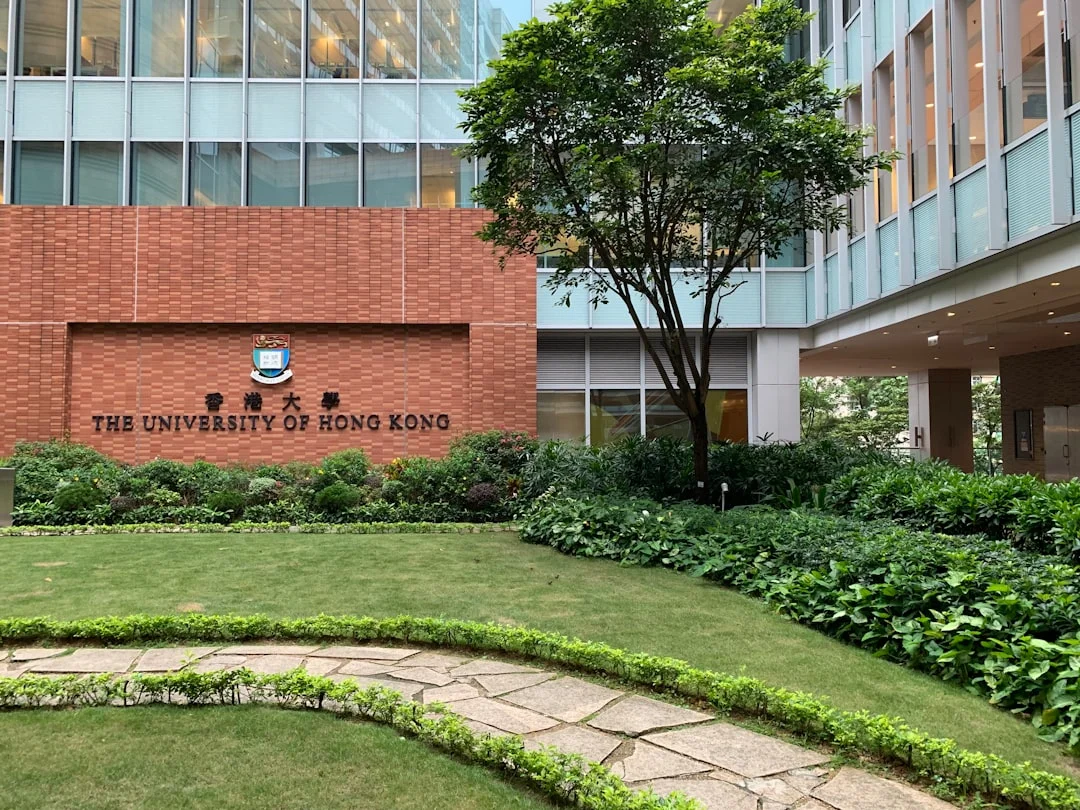
Photo by Andy Wang on Unsplash
— This report synthesizes institutional governance details, funder policies, and international frameworks to offer a data-driven view of how open research governance is evolving across UK universities, with Cambridge as a leading case study and UKRI as the national governance backbone. For readers seeking ongoing updates, Cambridge’s Open Research pages and UKRI’s Open Research hub remain authoritative sources for policy changes, next steps, and practical guidance for researchers and administrators alike. The landscape is dynamic, but the trajectory is clear: governance that makes openness practical, auditable, and sustainable across the research lifecycle.